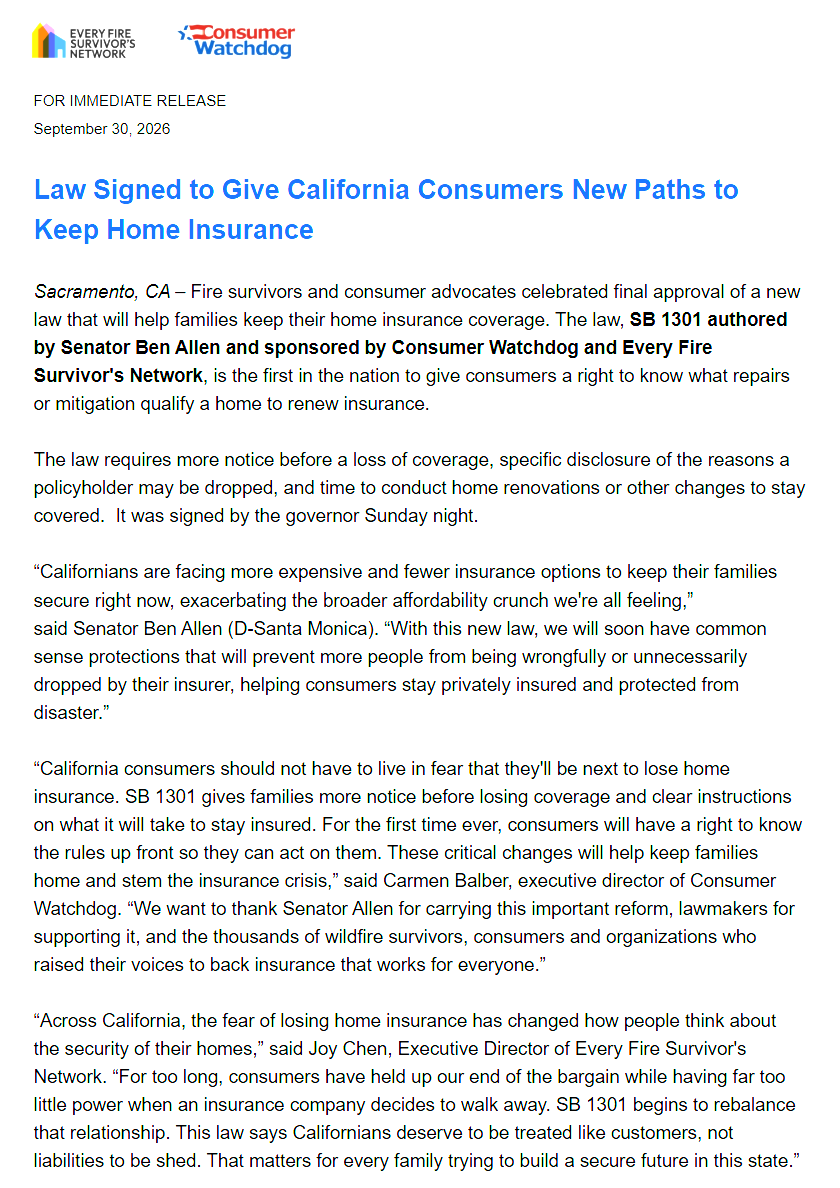
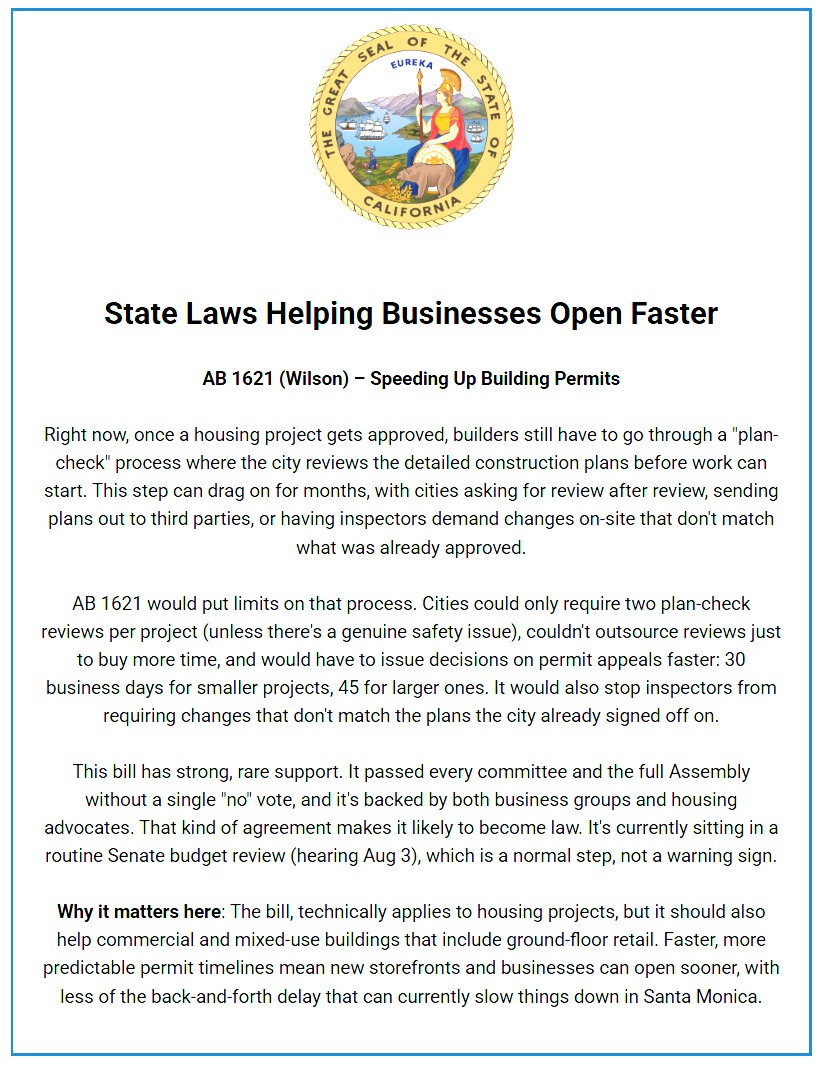
AB 1621 (Wilson) passed September 29, 2026AB 1621 → & SB 1301 passed September 27, 2026SB 1301 →
LA REBUILD
FIRE RECOVERY
State Laws - speed up rebuilding permitsCalifornia Senate Bill 1301 (SB 1301) PassedSB 1301 passed September 27, 2026 Read SB 1301 →
State Laws - speed up rebuilding permitsCalifornia Assembly Bill AB 1621 PassedAB 1621 Passed September 29, 2026Read AB 1621 →
Impact$1.7M Raised for RecoveryDirect relief grants to 82 students and 20 employees, plus $250K in SMMUSD subgrants.SMC Support Fund →
Class ProjectsStudents Designing the RebuildArchitecture, IxD, Journalism and Media students documenting and rebuilding the community.View Class Projects →
Free ClassesLearn Skills to RebuildFree noncredit classes and certificate programs across business, health, education,
and STEM.Browse Classes →
ResourcesHelp When It Matters MostA question-driven resource directory — from immediate safety to long-term rebuilding.Resources / FAQ →
SCROLL
Free Noncredit Classes & Certificate Programs
Tuition-free programs open to the community across business, health, education, STEM,
and more — designed to build skills, certifications, and pathways to careers.
Business
4 Courses
Bicycle Maintenance
Introduces you to the basics of bicycle maintenance and provides a pathway to jobs
as entry-level mechanics, bicycle sales associates, or bicycle shop management.
Business Essentials, Level 1
Helps you develop a better understanding of how businesses operate and function, with
an overview of the entrepreneurial mindset.
Customer Service
Provides you with marketable business knowledge and professional skills to seek employment
in various customer-driven industries.
Receptionist
Prepares you for work in a fast-paced office setting. Build your computer skills and
apply customer service techniques to qualify for positions such as front desk receptionist,
customer service associate, and front desk coordinator.
Health and Wellness
4 Courses
Rehabilitation Therapy Aide
Prepares you to maintain treatment areas, prepare and aid therapy sessions, transport
immobile patients, and learn proper body mechanics for patient assistance.
Introduction to Working with Older Adults
Prepares you for entry-level careers working with older adults. May qualify you for
high-demand occupations such as caregivers, companions, social and human service assistants,
direct support professionals, and resident care aides.
Certified Nurse Assistant Pre-Certification
Teaches the knowledge, skills, and abilities essential to work as an entry-level nurse
assistant. After completion, you will be eligible to take the California Nurse Assistant
competency exam.
Home Health Aide Pre-Certification
Builds on nurse assistant training to prepare you for a career as a certified home
health aide, administering in-home health and hospice care and services.
Education
1 Course
Introduction to Early Care and Education
Introduces you to the stages of child development while discovering new strategies
to develop a culturally relevant program.
STEM
3 Courses
Sustainability Assistant
Helps you qualify for careers as a community engagement coordinator, environmental
sustainability assistant or coordinator, environmental researcher, customer service
representative, or recycling management assistant.
Sustainability in Organics Aide
Teaches you about the world of sustainability and the principles of organics.
Sustainability Services Technician
Helps you qualify for careers as a recycling coordinator, waste management technician,
resource recovery assistant, environmental assessor, or sales, operations, and management
assistant.
Transition to Credit
1 Course
Transition to College and Career
Designed to help you transition from noncredit to credit courses, obtain a certificate
or degree, or prepare for a career.
English as a Second Language (ESL) & Citizenship
2 Courses
English as a Second Language (ESL)
Helps you to read, write, and speak English.
Citizenship
Helps you prepare for the USCIS citizenship exam and oral interview, and provides
help with the N-400 application.
All programs are tuition-free and open to the community.
Save Time & Money
Credit for Prior Learning (CPL)
Get college credit for what you already know. CPL recognizes the knowledge and skills
you have gained through work, military service, and life experience and turns them into college credit — so you can finish your degree faster, spend
less, and build on your strengths. It is a more accessible, affordable path to academic
and career advancement, especially for adult and nontraditional learners.
Architecture & Interior Architectural Design at SMC
As recovery efforts accelerate following the Palisades and Eaton wildfires, demand
for skilled professionals in architecture, drafting, interior design, construction,
and fire-resilient building practices will continue to grow. Expanding enrollment
in construction-related programs is essential to developing a workforce equipped with
the technical skills, industry-recognized certifications, and sustainable design expertise
needed to rebuild safer, stronger, and more resilient communities. By integrating
Credit for Prior Learning, accelerating credential attainment, and aligning training with regional workforce
priorities, these programs provide accessible pathways into high-wage, high-demand
careers while ensuring employers have the skilled talent necessary to support long-term
recovery and economic growth. Investing in construction education is not only an investment
in workforce development — it is an investment in rebuilding homes.
Learn more about SMC’s Construction related programs Below
Right now — safety, shelter, food, and emergency contacts.
9 Questions
Starting Recovery
First steps — claims, documents, temporary housing, and financial help.
9 Questions
Rebuilding
Long-term — permits, contractors, grants, and getting back home.
8 Questions
Small Business
For local businesses — Chamber resources, SBA disaster loans, and recovery grants.
4 Questions
Mental Health Services
Free counseling and support services for students and community members affected by
the fires.
2 Resources
Displaced Workers Looking to Upskill
Tuition-free noncredit classes & certificates in business, health, education, and
STEM.
Free Programs →
Answer coming soon. In the meantime, call 211 for local support or 911 in an emergency.
Answer coming soon. In the meantime, call 211 for local support or 911 in an emergency.
If you are in immediate danger, call 911 for emergency assistance. For non-emergency
support, you can call 211 to connect with local services like shelter, food, and recovery
resources, or contact the American Red Cross for disaster relief assistance.
You can find open shelters through the American Red Cross, which provides an online
map and updates on available shelter locations during disasters. You can also call
211 or check your local county emergency website for real-time information on nearby
shelters.
Start by contacting local shelters and emergency services, and check reunification
tools provided by the American Red Cross, which helps people reconnect after disasters.
For pets, check local animal shelters, veterinary clinics, and lost-and-found pet
services in your area.
Answer coming soon. In the meantime, call 211 for local support or 911 in an emergency.
Answer coming soon. In the meantime, call 211 for local support or 911 in an emergency.
Answer coming soon. In the meantime, call 211 for local support or 911 in an emergency.
Focus on your immediate safety and basic needs first — find a safe place to stay,
get food and water, and contact emergency services if needed. Once you're safe, begin
the recovery process by contacting your insurance company and applying for assistance
through FEMA.
Start by contacting your insurance company directly — either online, through their
app, or by phone — to report the damage and open a claim. A claims adjuster will then
be assigned to review your case and guide you through next steps.
If you don't have insurance, you may still qualify for disaster assistance through
FEMA. FEMA can help cover temporary housing, basic home repairs, and other essential
needs after a disaster. You can also get support from local and state programs, as
well as nonprofit organizations like the American Red Cross.
You can apply for disaster assistance through FEMA online at DisasterAssistance.gov,
by calling their helpline, or by visiting a local Disaster Recovery Center. FEMA provides
support for things like temporary housing, home repairs, and other essential needs
after a disaster.
To begin recovery or apply for disaster assistance, you'll typically need a valid
ID, your Social Security number, proof of address, and any insurance information if
you have it. Agencies like FEMA may also ask for photos of damage and basic financial
or housing information to process your application.
You may be able to get temporary housing through FEMA, which can provide financial
assistance for hotel stays or rental housing after a disaster. You can also find immediate
shelter through organizations like the American Red Cross, which operate emergency
shelters and short-term housing support.
You'll need to contact the agency that issued each document, such as the DMV for a
driver's license or the U.S. Department of State for a passport. After a disaster,
you can also visit a FEMA Disaster Recovery Center, where staff can help guide you
through replacing important documents and connect you with the right services.
You may qualify for financial assistance through FEMA, which can help with temporary
housing, home repairs, and essential needs. Additional support is often available
through state and local programs, including housing assistance, small business relief,
and nonprofit organizations like the American Red Cross and local charities.
Answer coming soon. In the meantime, call 211 for local support or 911 in an emergency.
Answer coming soon. In the meantime, call 211 for local support or 911 in an emergency.
Start by contacting your insurance company to understand your coverage and next steps,
then check with your local city or county office about rebuilding requirements and
permits. You can also get guidance through FEMA and local recovery programs, which
may offer support for rebuilding and navigating the process.
You can get rebuilding permits through your local city or county building department
— usually called the Planning or Building & Safety Department. They handle approvals
for construction, inspections, and rebuilding requirements after a disaster.
Answer coming soon. In the meantime, call 211 for local support or 911 in an emergency.
Yes — you may be eligible for financial help through FEMA, which can provide grants
for basic home repairs and essential needs. You may also qualify for low-interest
disaster loans from the U.S. Small Business Administration (SBA), even if you're a
homeowner and not a business.
Look for licensed contractors through your state's licensing board, such as the California
Contractors State License Board, and verify their license and insurance before hiring.
It's also recommended to get multiple estimates, check references, and avoid paying
large upfront deposits.
Answer coming soon. In the meantime, call 211 for local support or 911 in an emergency.
In most cases, you can rebuild on your property, but it depends on local zoning laws,
safety regulations, and the extent of the damage. Your city or county building department
will determine what is allowed and what requirements you must meet before rebuilding.
Next StepContact your local Building or Planning Department to confirm what is permitted on
your property.
If you can't afford to rebuild, you may still have options. FEMA may provide financial
assistance for essential repairs or temporary housing, and you may qualify for low-interest
disaster loans through the U.S. Small Business Administration. Additional help may
be available through state programs and nonprofit organizations that support long-term
recovery.
SMC students have free access to the Center for Wellness & Wellbeing, which offers short-term individual counseling, crisis support, workshops, wellness
coaching, and referrals to community providers — all confidential and included as
part of your enrollment.
The Palisades Community Renewal Center offers free counseling and mental health support to individuals and families affected
by the Palisades Fire — regardless of where you currently live. Located near SMC's
Bundy campus at 3212 Nebraska Ave., Santa Monica.
The Santa Monica Chamber of Commerce connects local businesses with recovery resources, networking opportunities, rebuild
committees, and partner workshops. The Chamber has been a key partner in SMC's fire
relief efforts, supporting 40+ businesses affected by the Palisades and Eaton Fires.
The U.S. Small Business Administration (SBA) offers low-interest disaster loans to help businesses, nonprofits, homeowners, and
renters recover from declared disasters such as the California wildfires. SBA loans
can cover physical damage to property, equipment, inventory, and economic injury losses
while your business is unable to operate normally.
Yes — the LA Rise & Renew Wildfire Recovery Grant Program provides direct grant funding to small businesses, sole proprietors, and independent
contractors in Los Angeles County that were impacted by the Palisades and Eaton Fires.
Unlike loans, grants do not need to be repaid.
The City of Santa Monica maintains a dedicated business-resources page for businesses impacted by the Palisades
Fire, with information on permits, recovery support, and city programs.
Browse work from across our programs — each course is collapsible so you can dive
into the projects that matter most to you.
Rebuilding Through Design Mentorship
Architecture / Interior Architecture
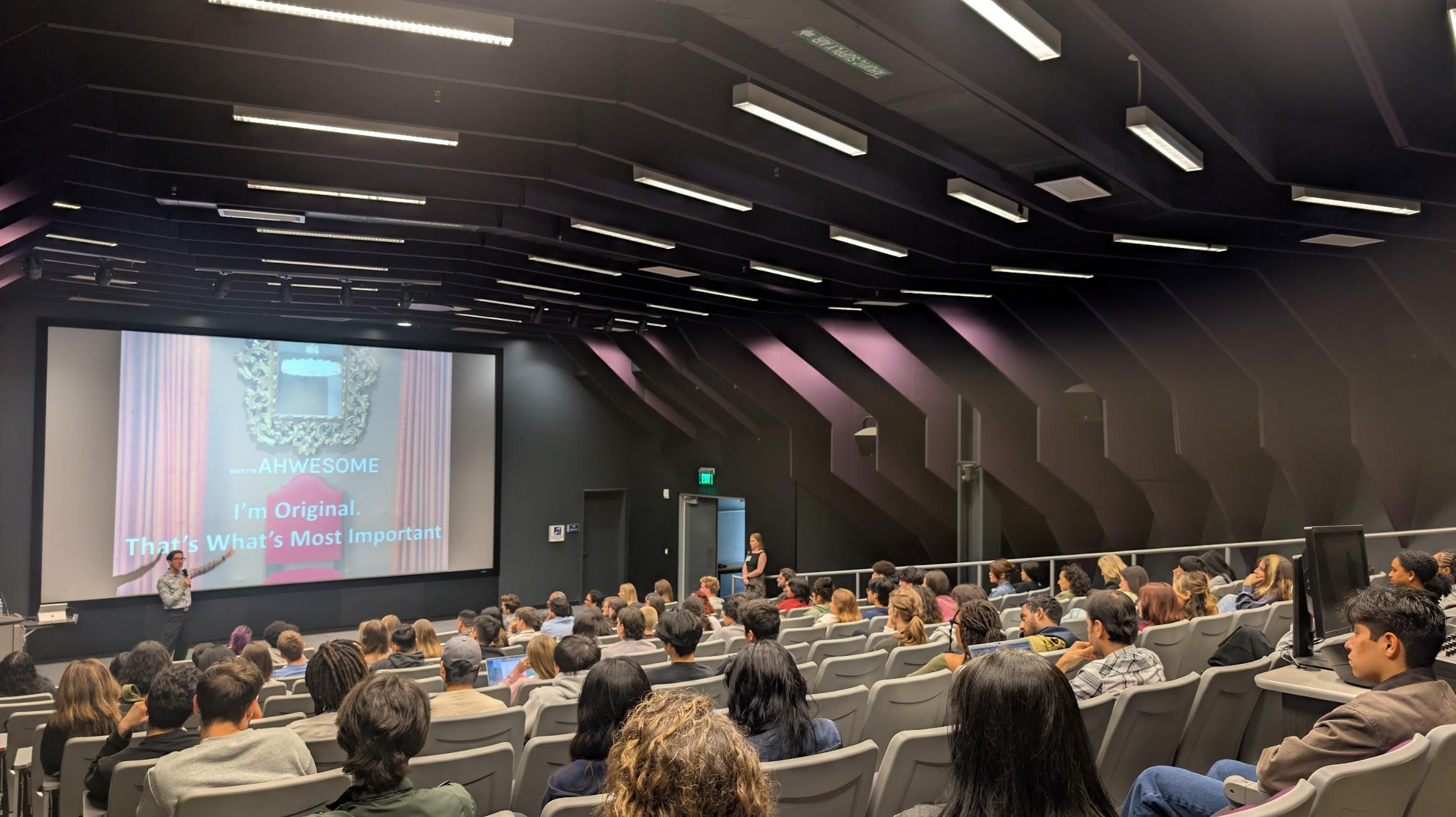
Design events, mentorship workshops, and a NOMA-led architecture bootcamp for rebuilding
the Palisades.
Fall 2025 and Spring 2026 (combined)
827
Students Enrolled in Architecture / Interior Architecture Programs
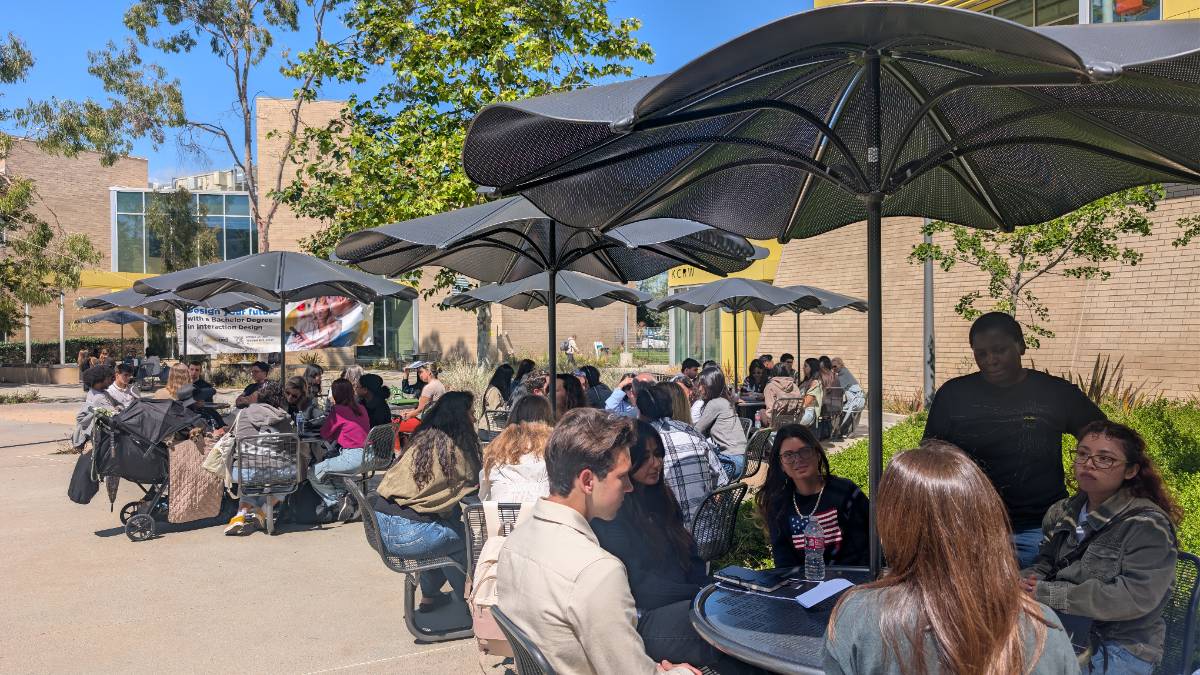
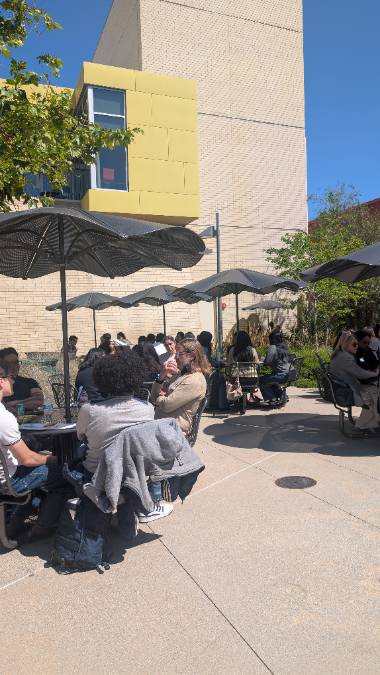
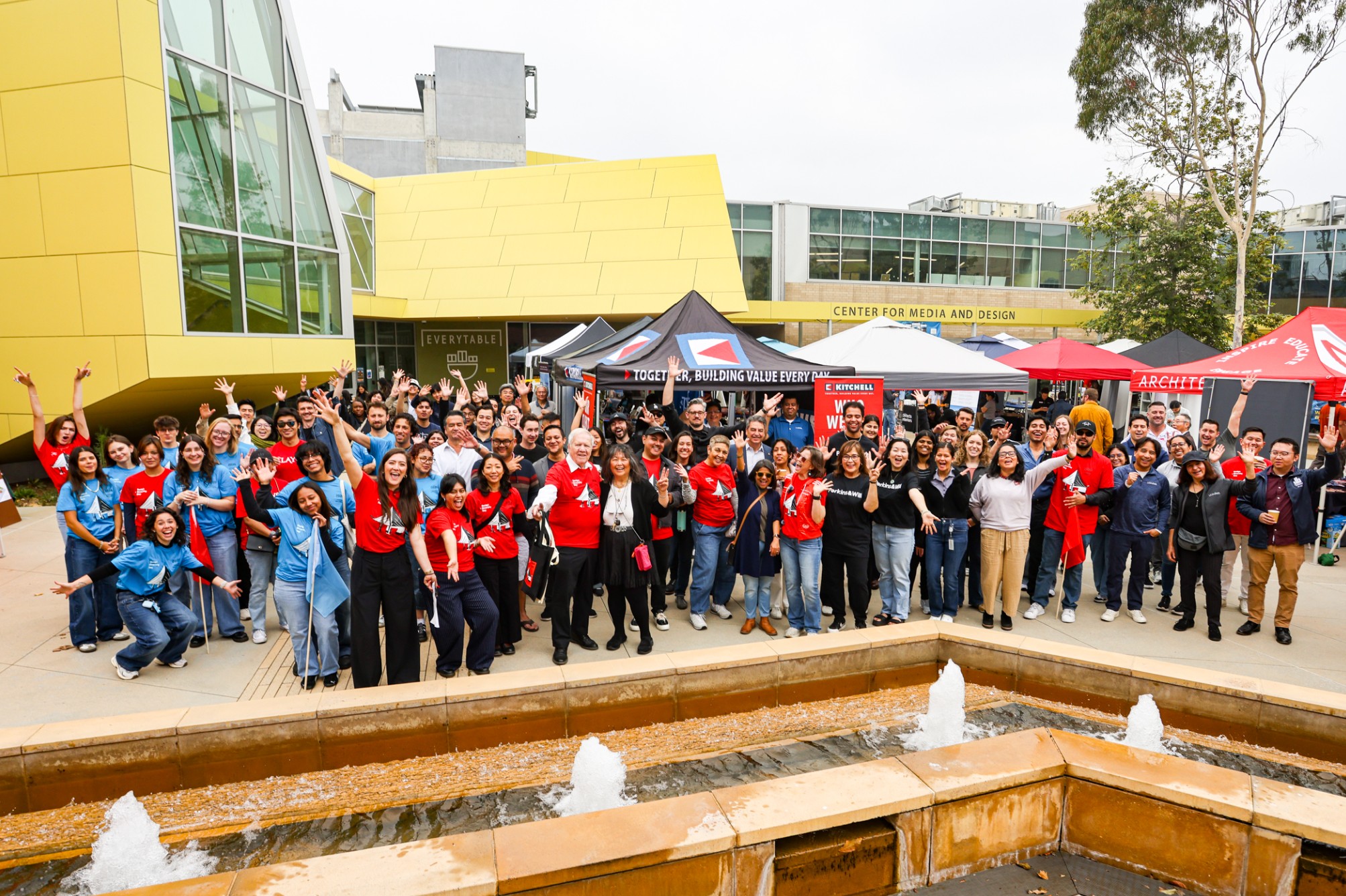
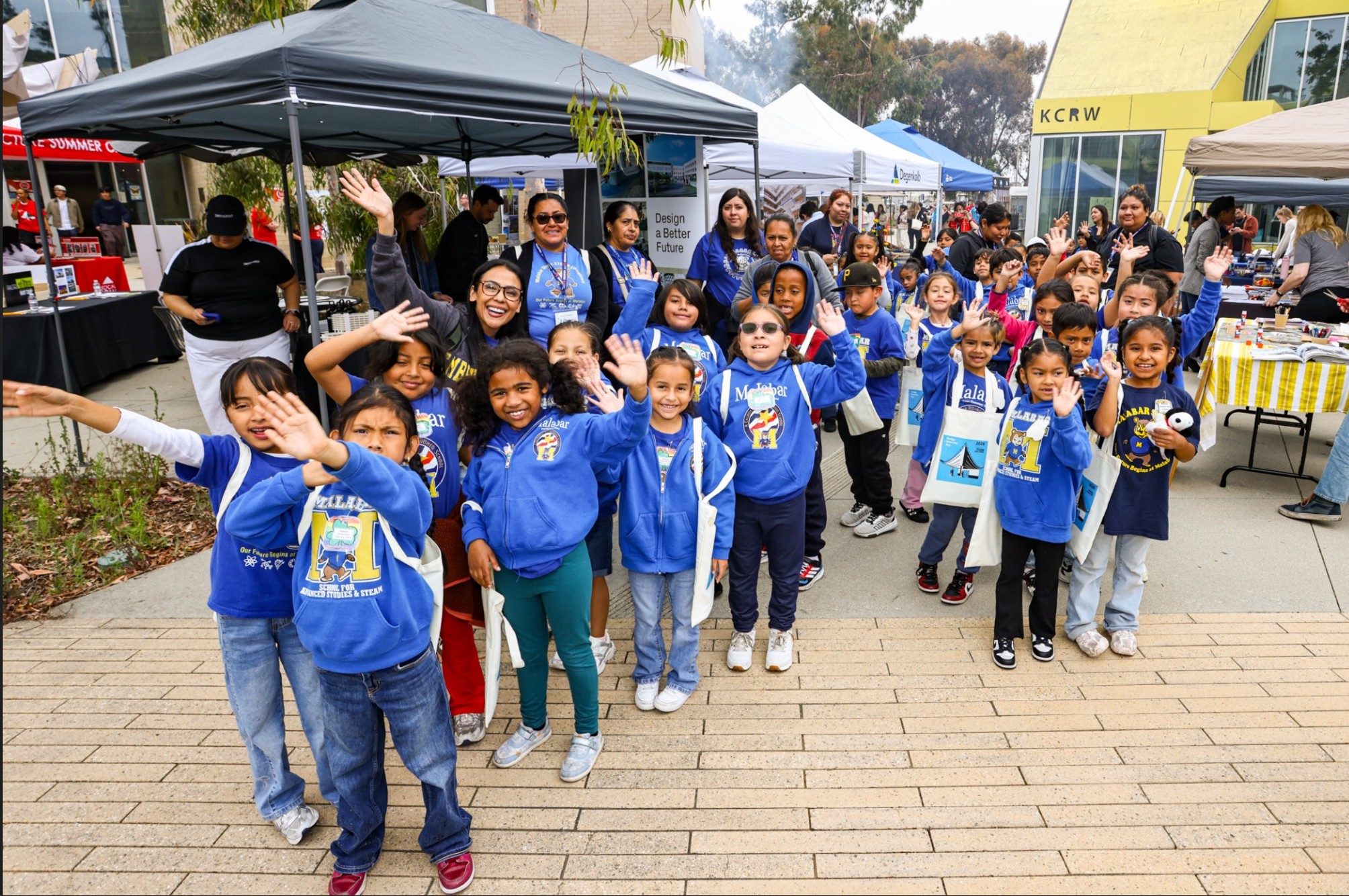
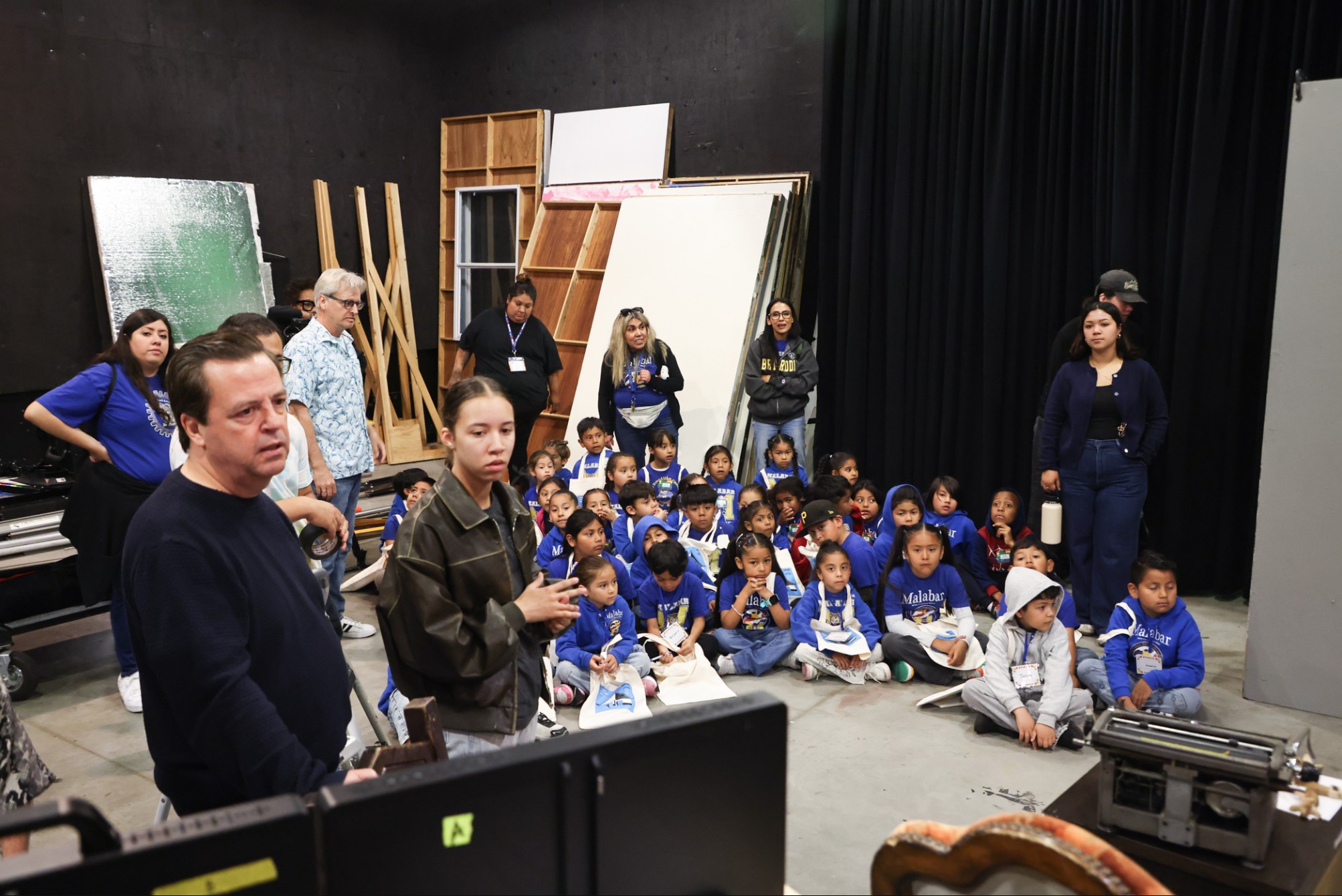
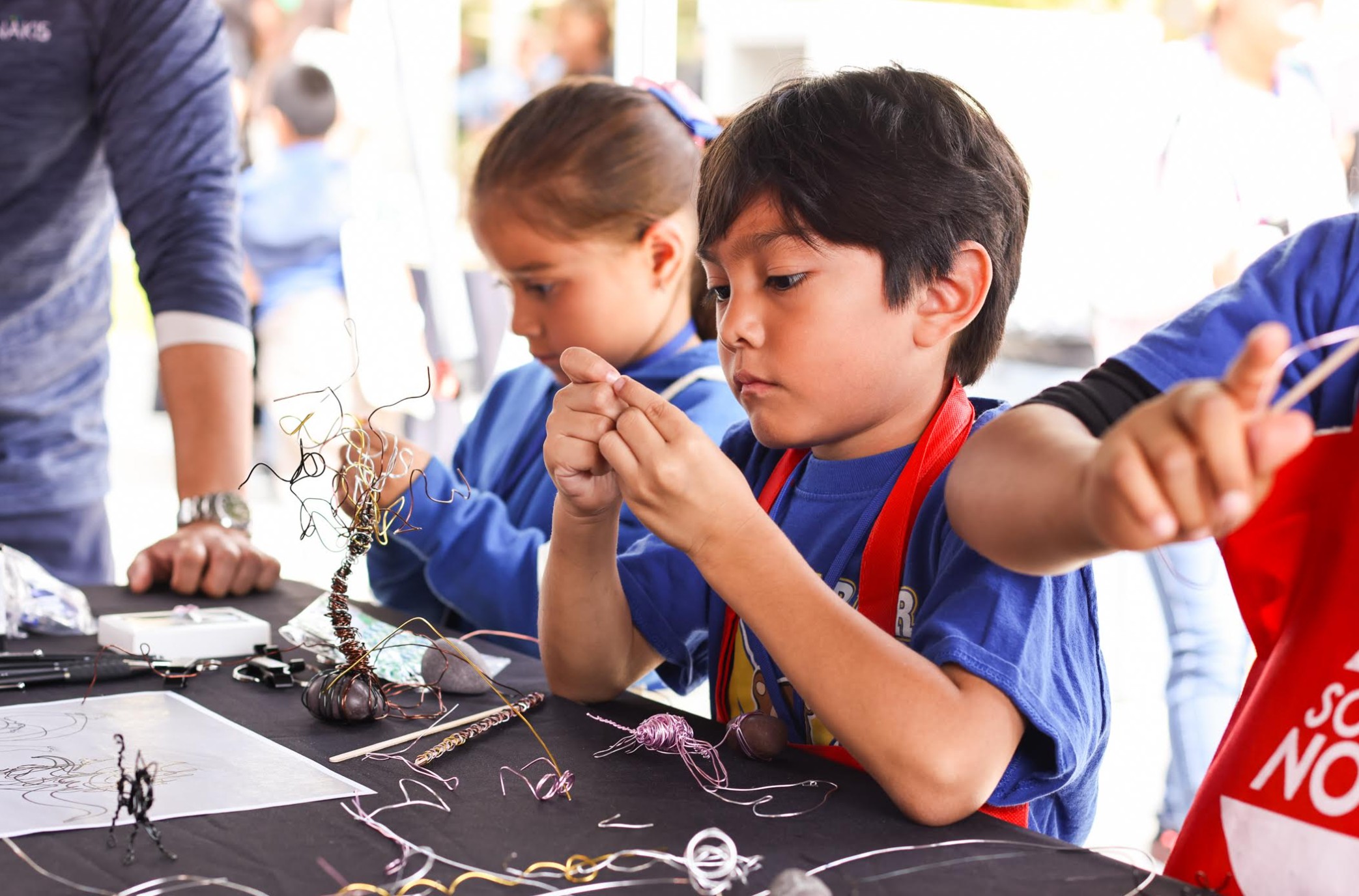
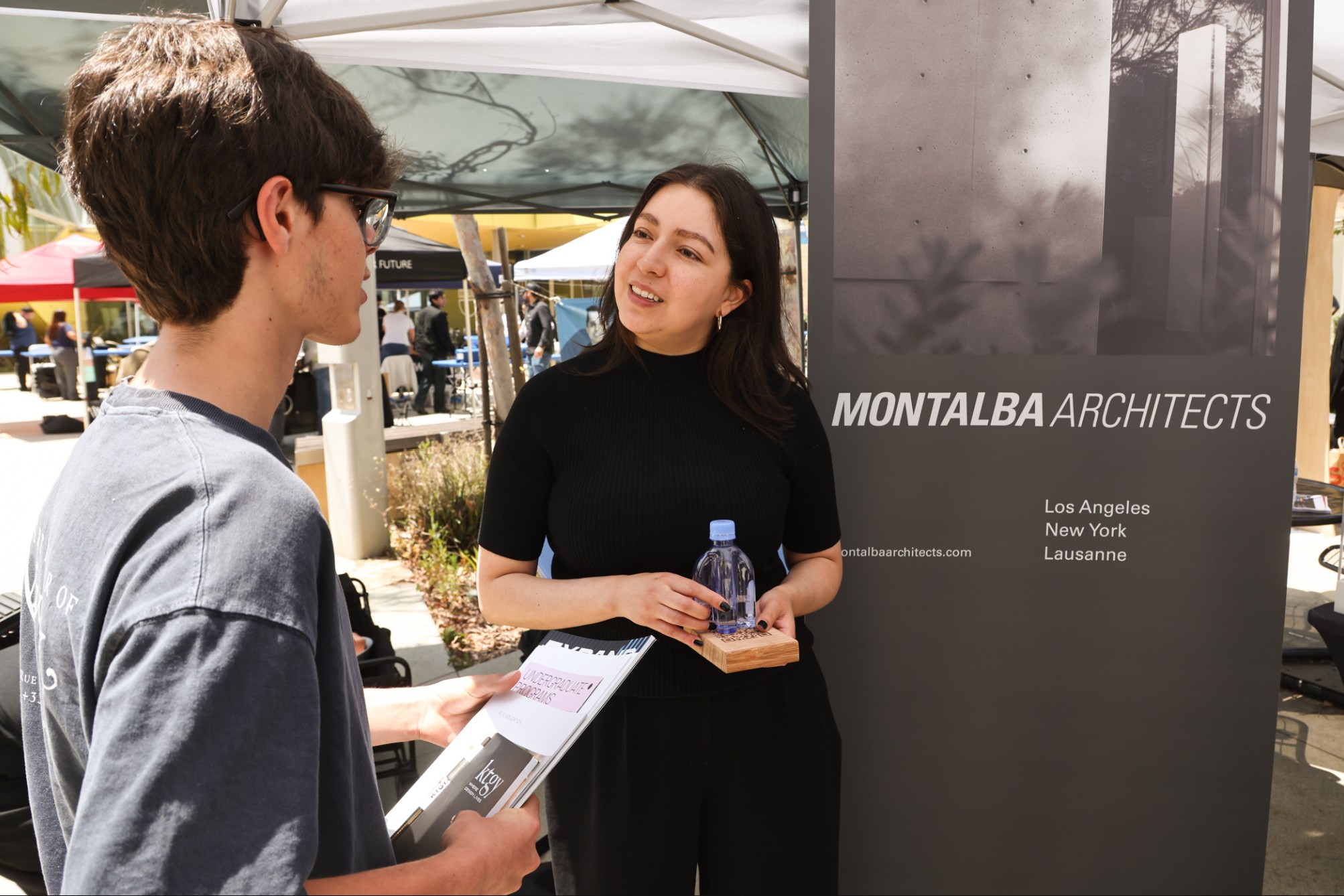
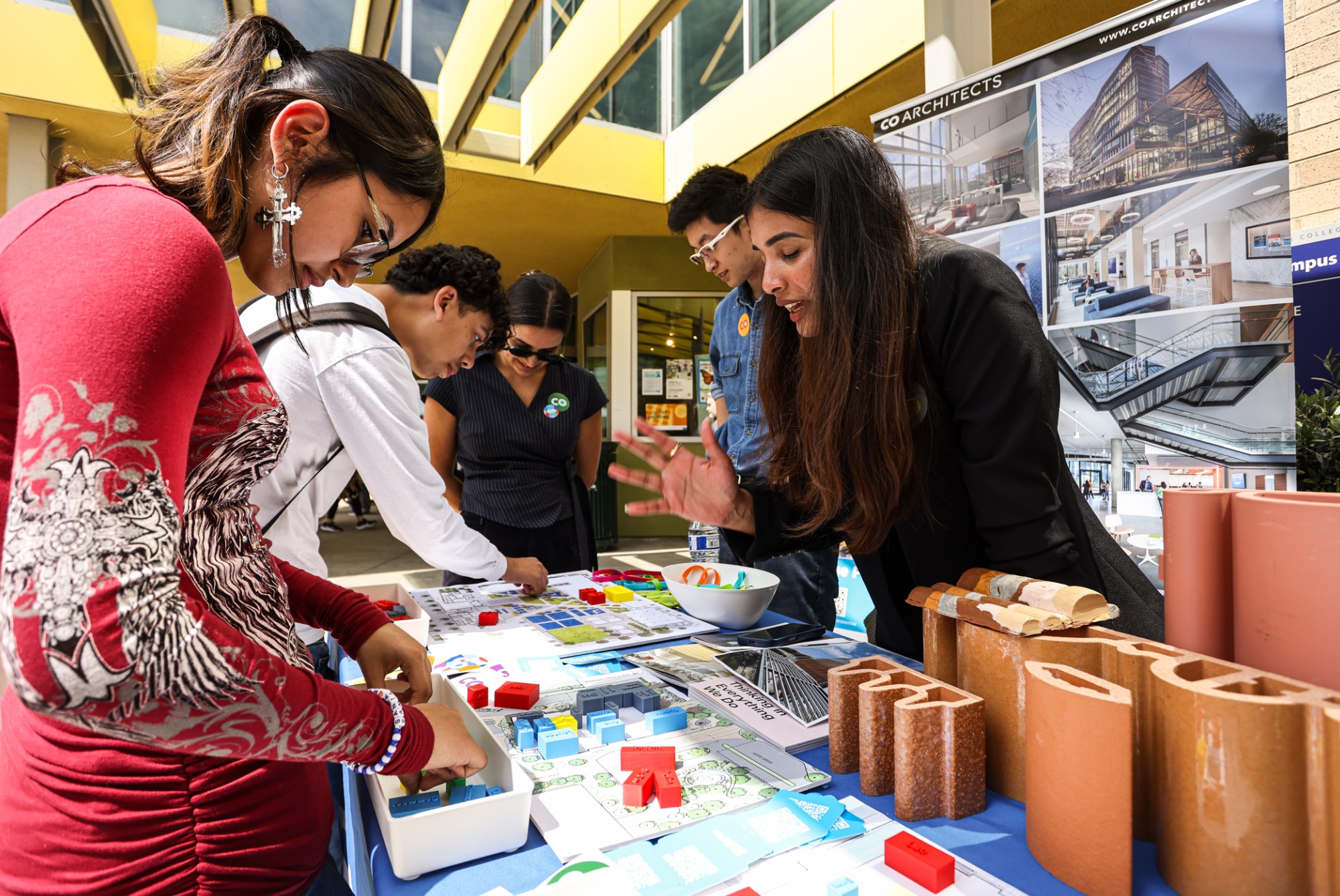
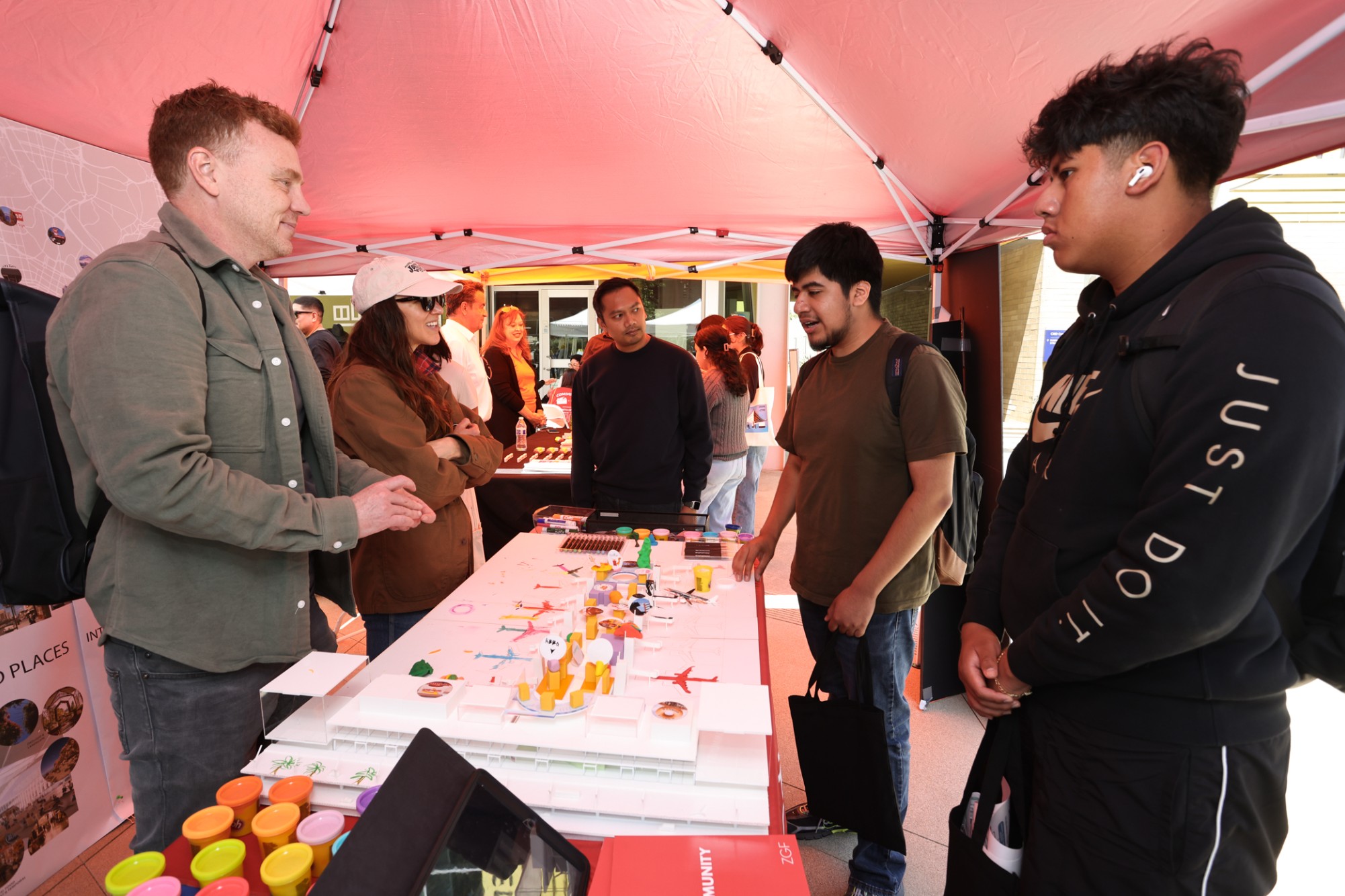
Design by Diversity Day
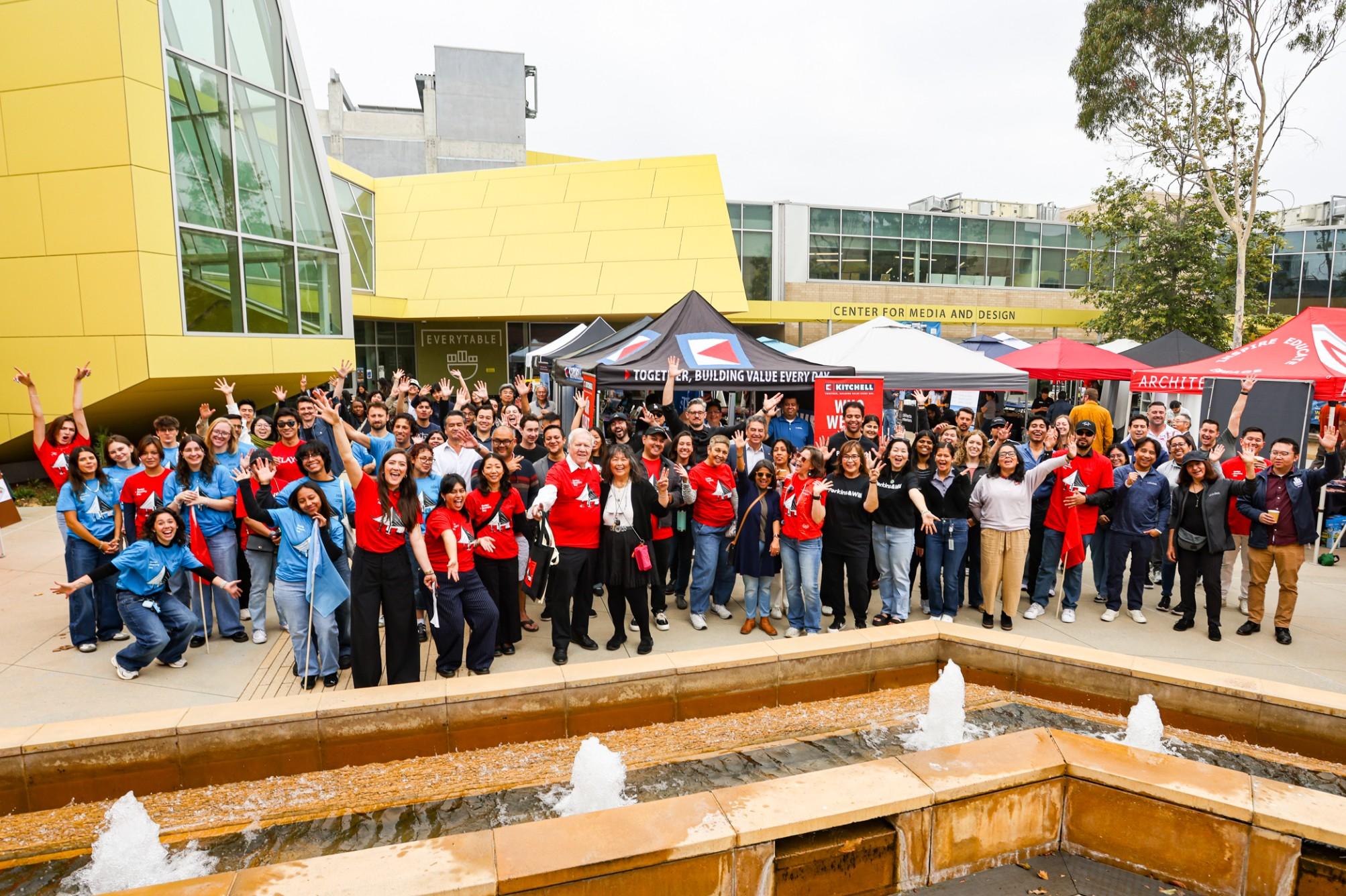
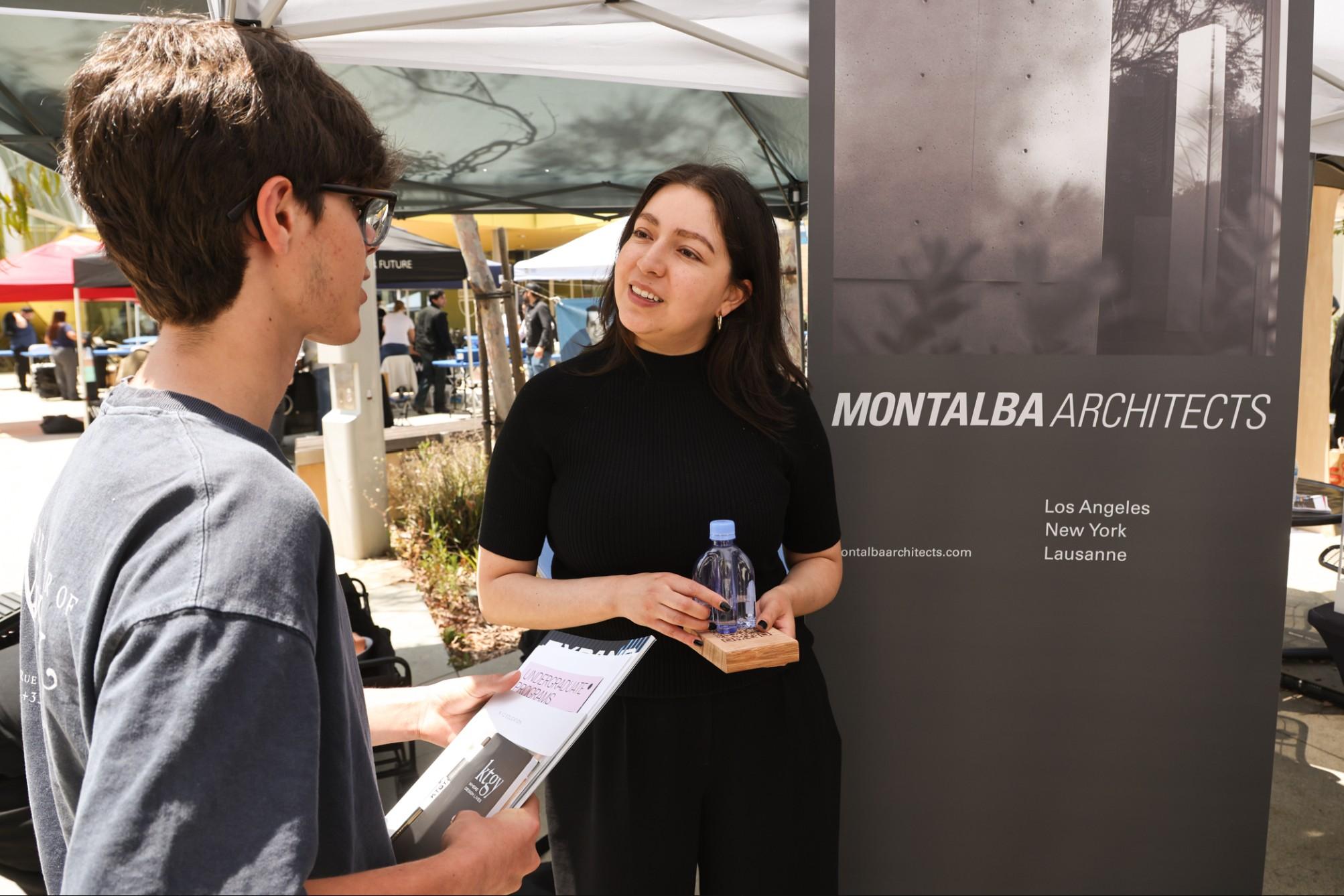
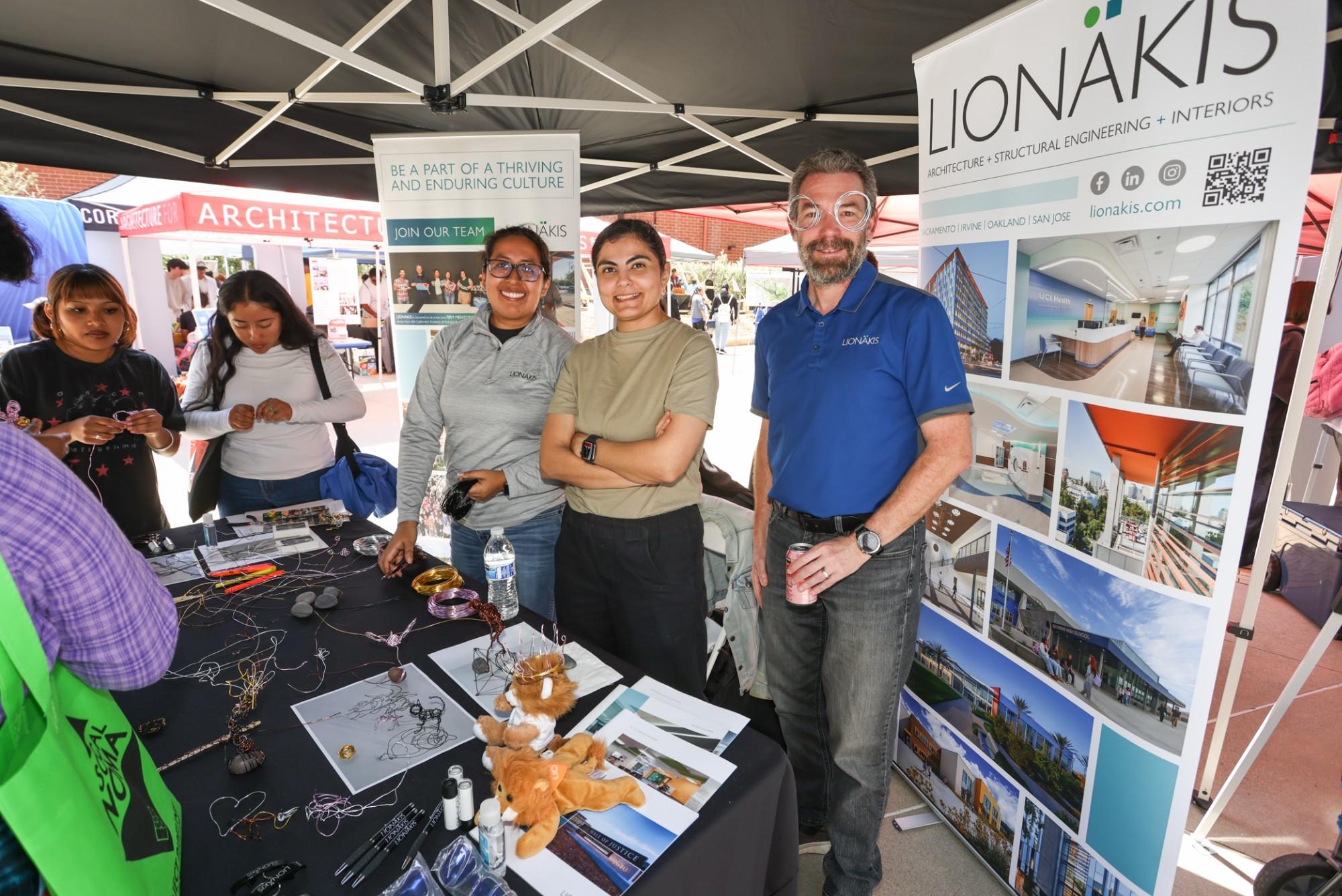
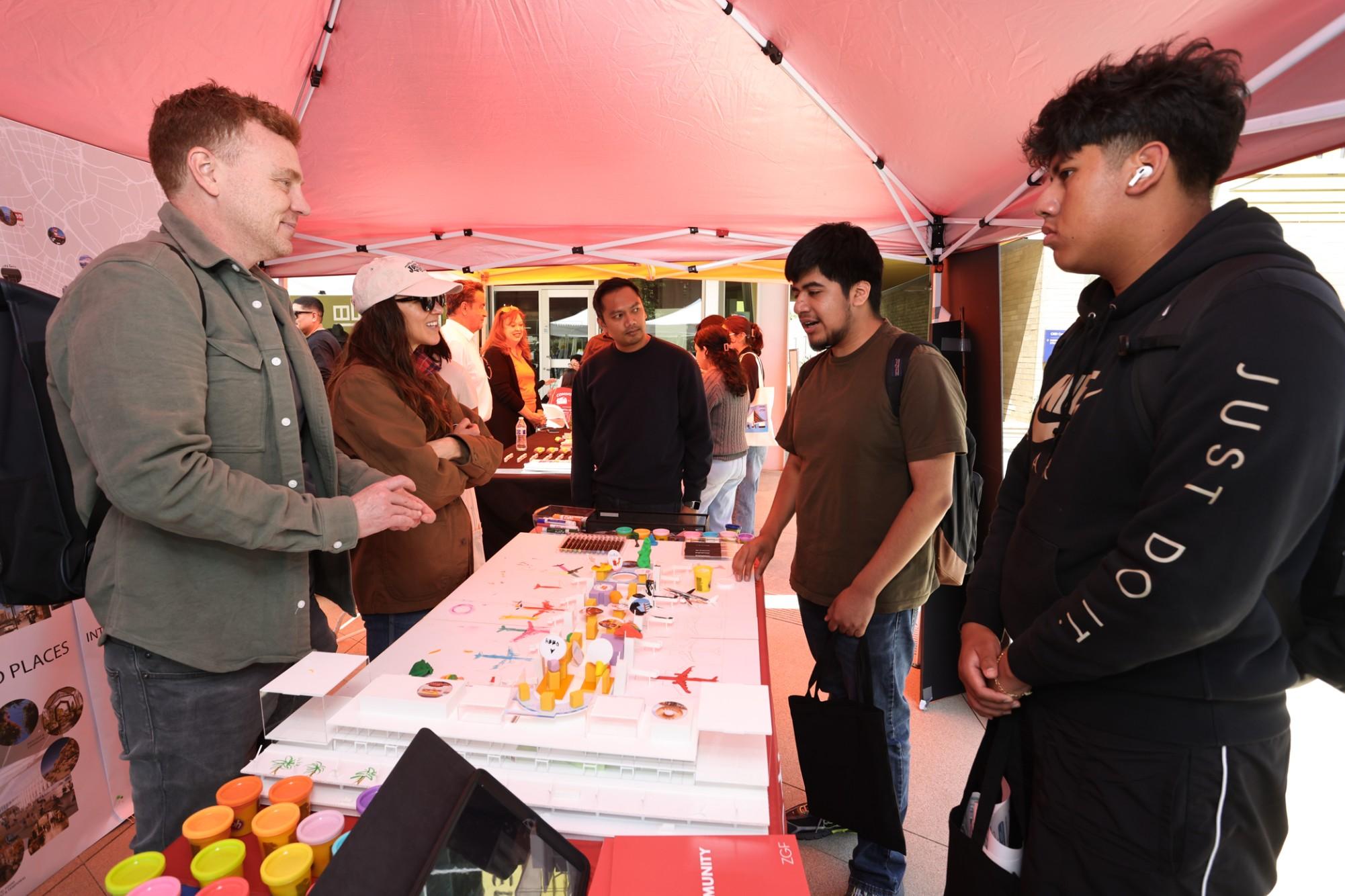
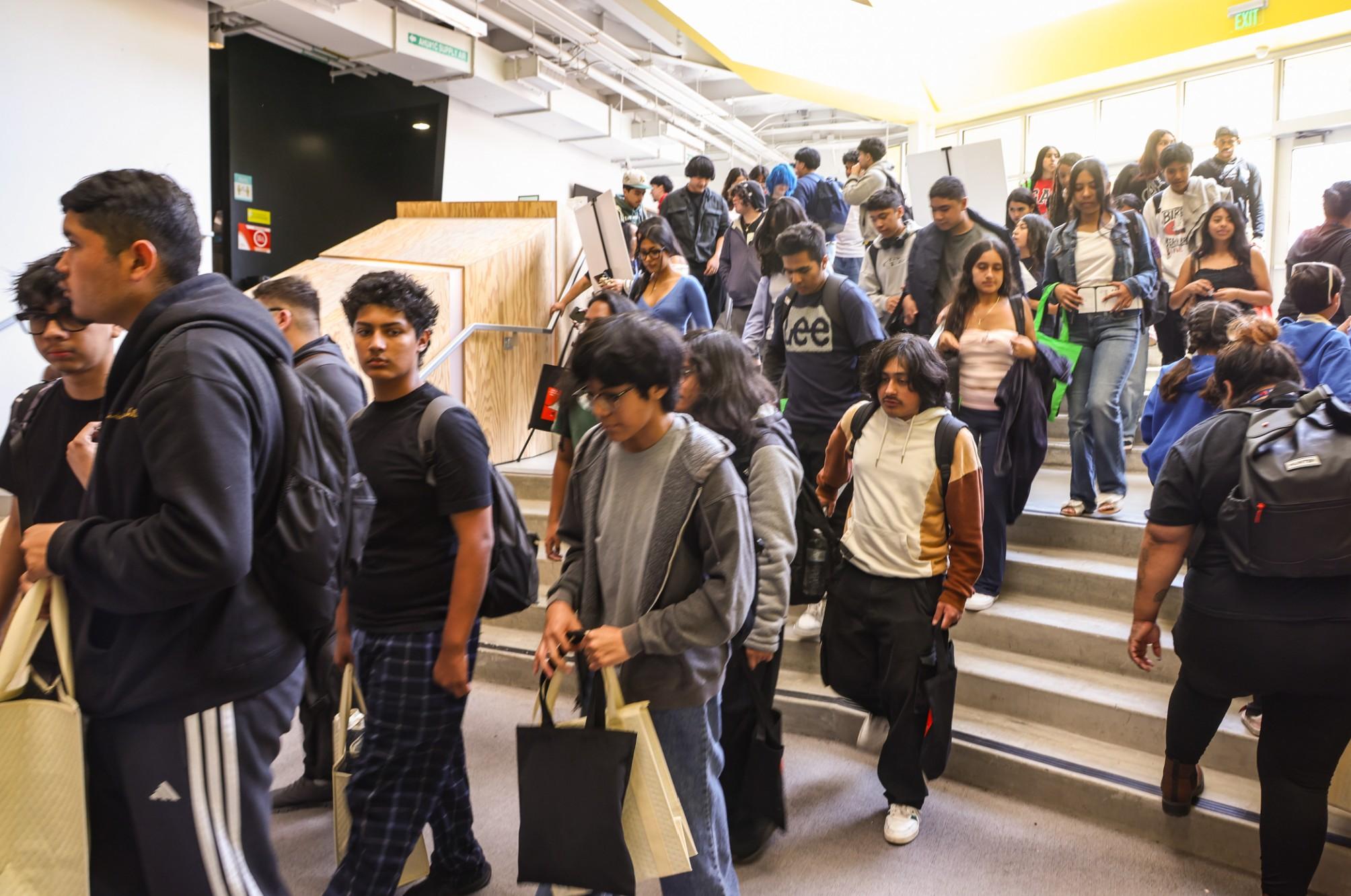
Update: AB 1621 passed on September 29, 2026. The Design by Diversity Day was a free community event celebrating creativity, innovation,
and inspiration at the intersection of architecture, design, engineering, and construction.
Organized by Architecture for Communities Los Angeles (ACLA), the event brought together
hundreds of students, families, educators, professionals, and community members for
a day filled with hands-on activities, information booths hosted by local firms, colleges,
and community organizations, mentoring sessions, keynote speakers, and free food.
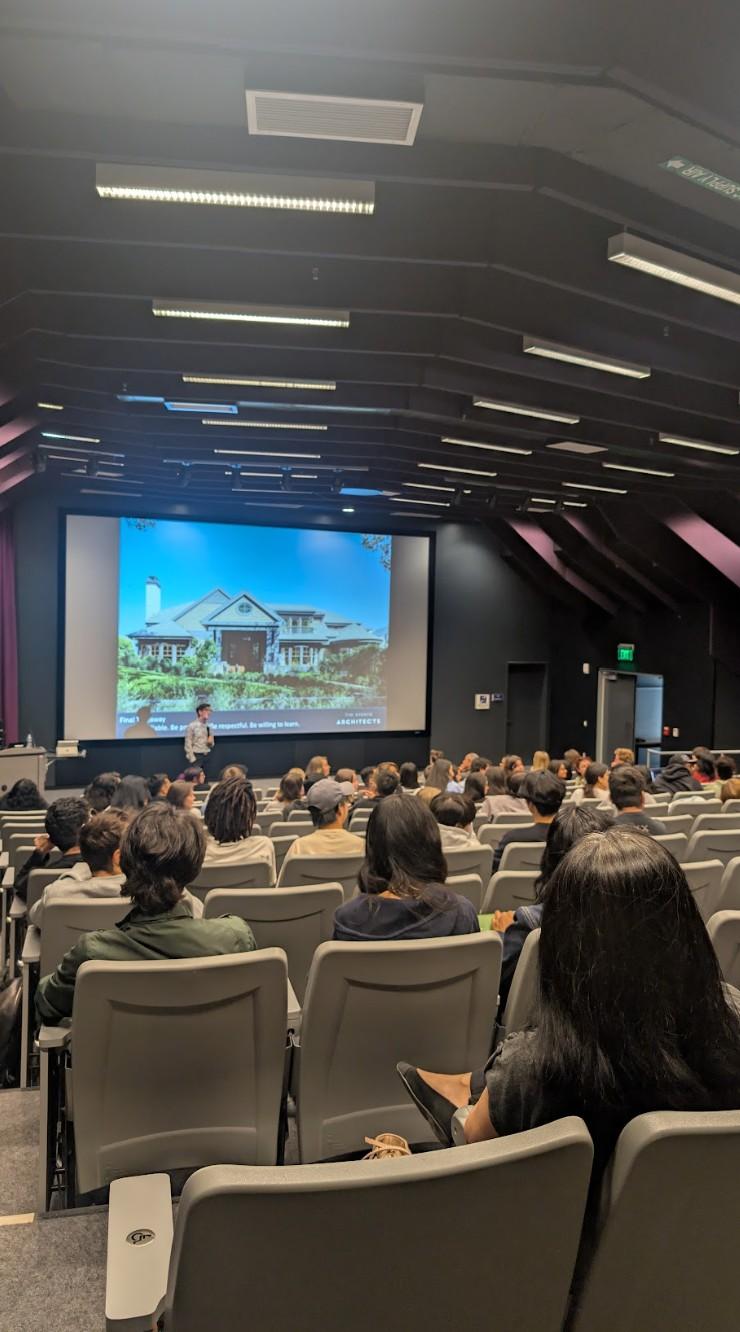
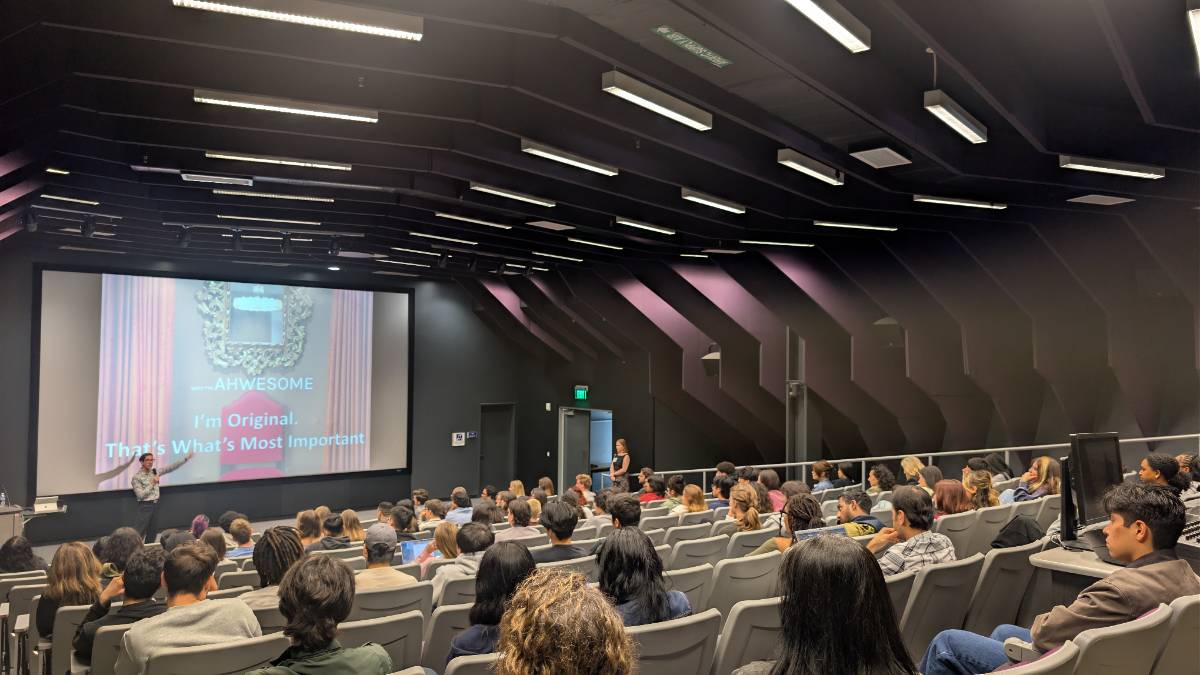
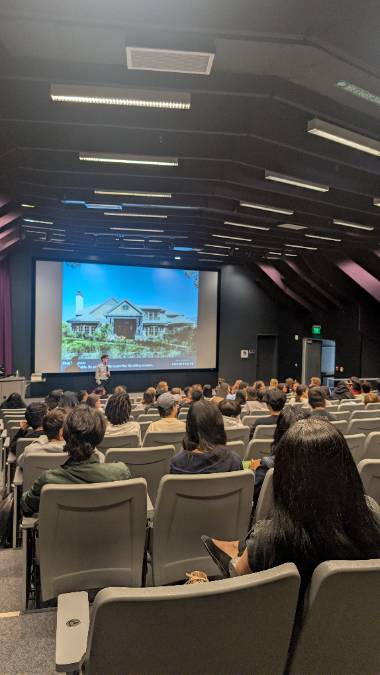
The Design Leadership Foundation partnered with Santa Monica College to host on-campus
professional development workshops connecting LA-based design professionals with architecture
and interior design students. These annual events featured industry presentations,
interactive roundtable discussions, and direct pathways to mentorship and internships,
supporting the Foundation's mission to foster diversity and provide young people with
meaningful access to the global design and architecture fields.
Design Leadership Foundation
1/3
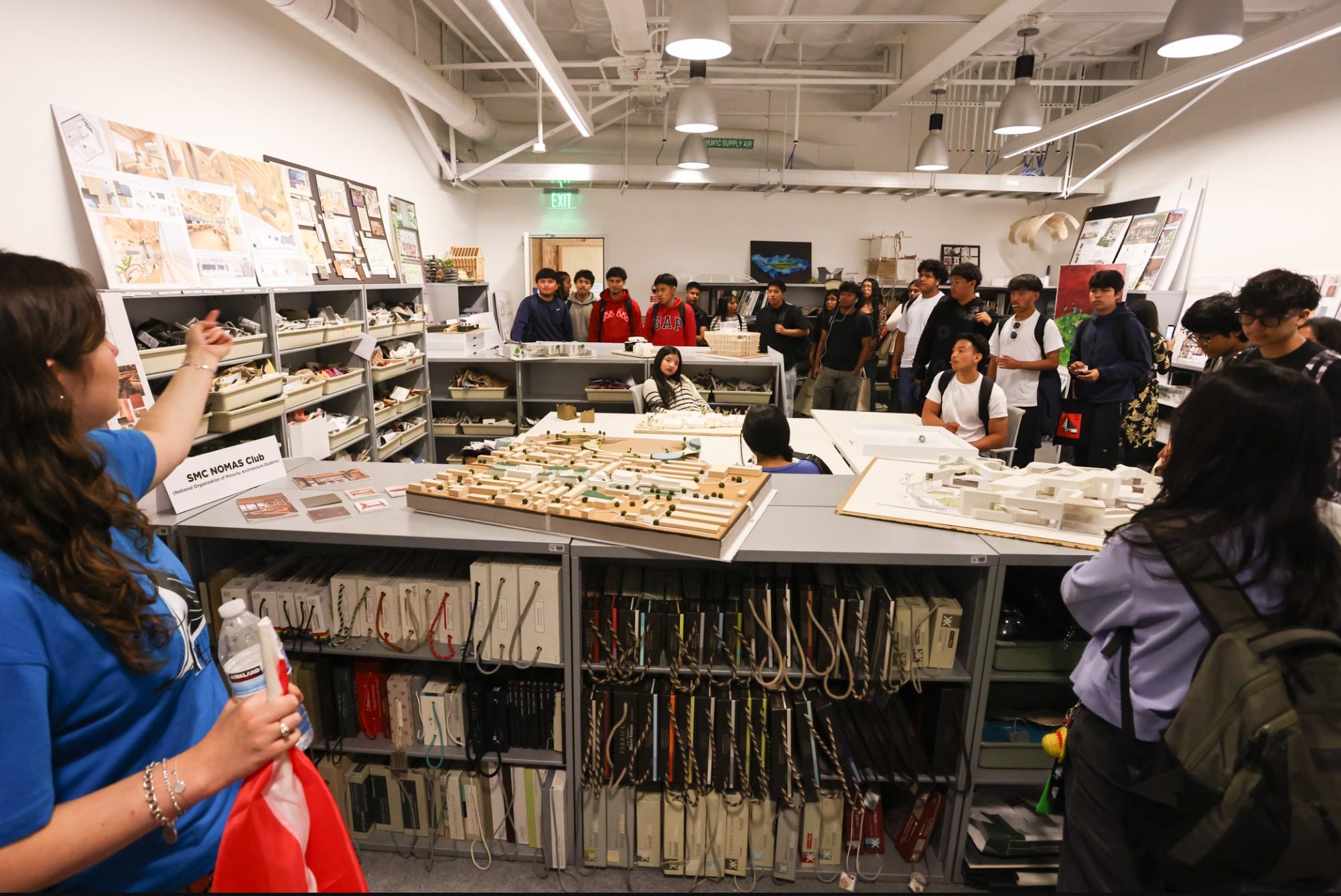
NOMA Project Pipeline
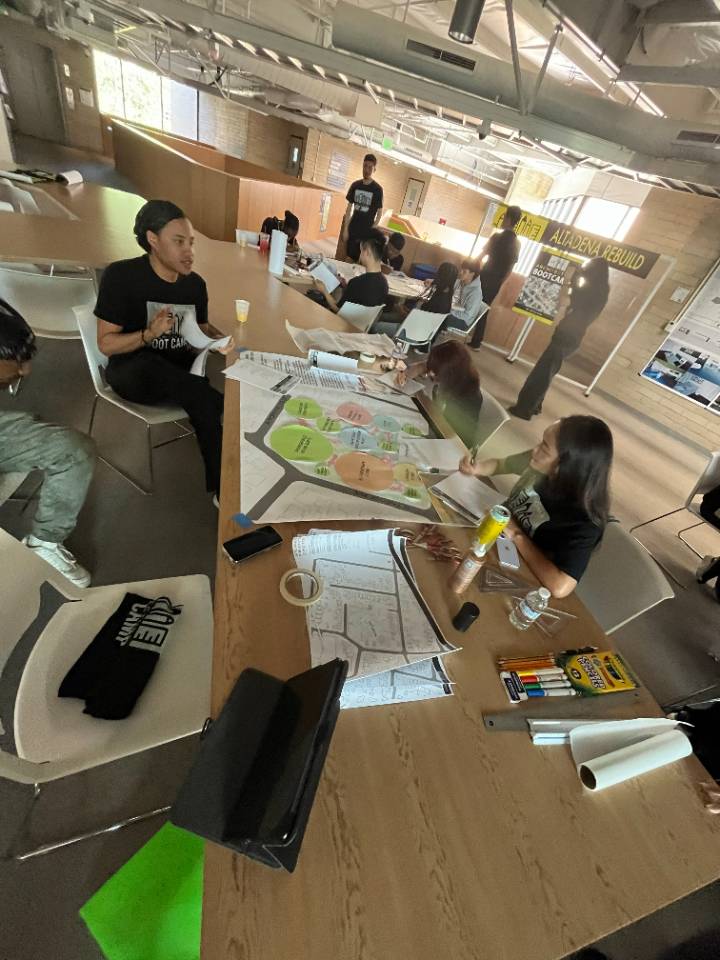
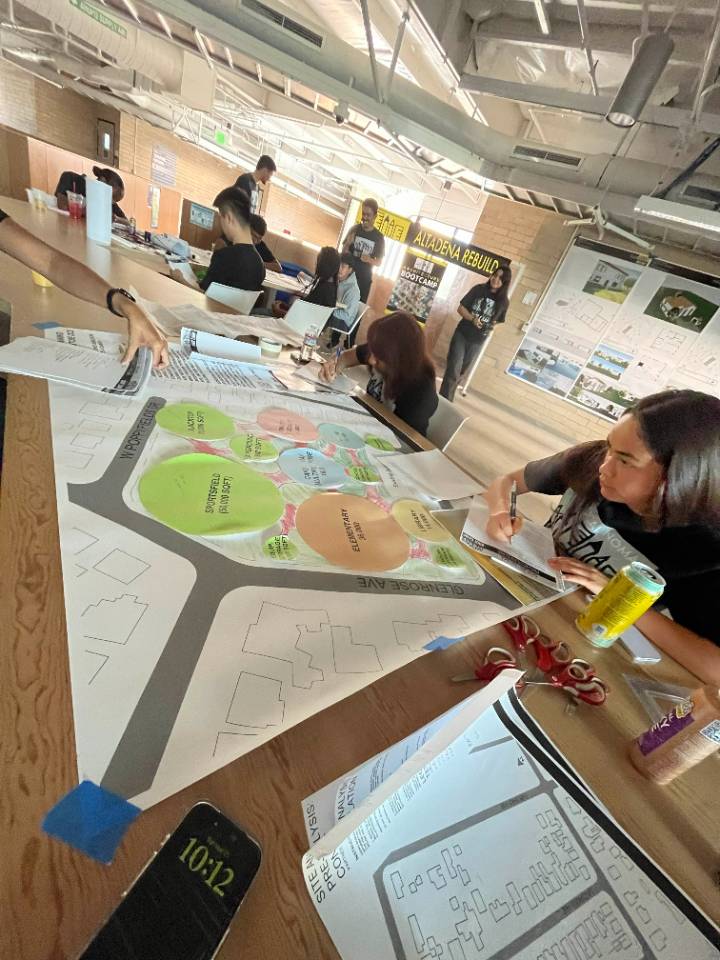
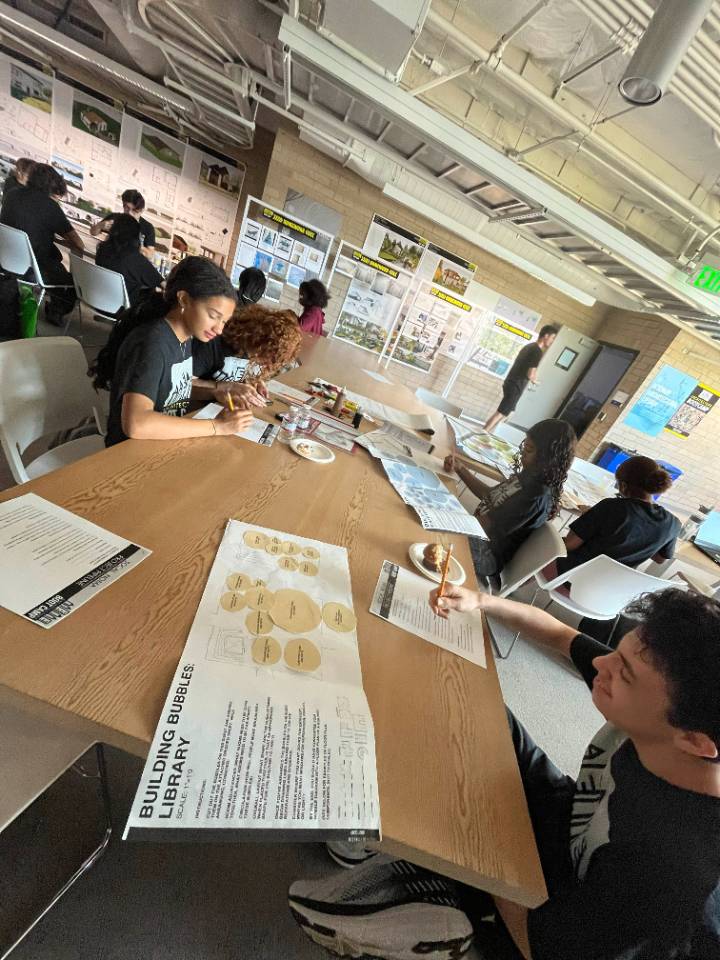
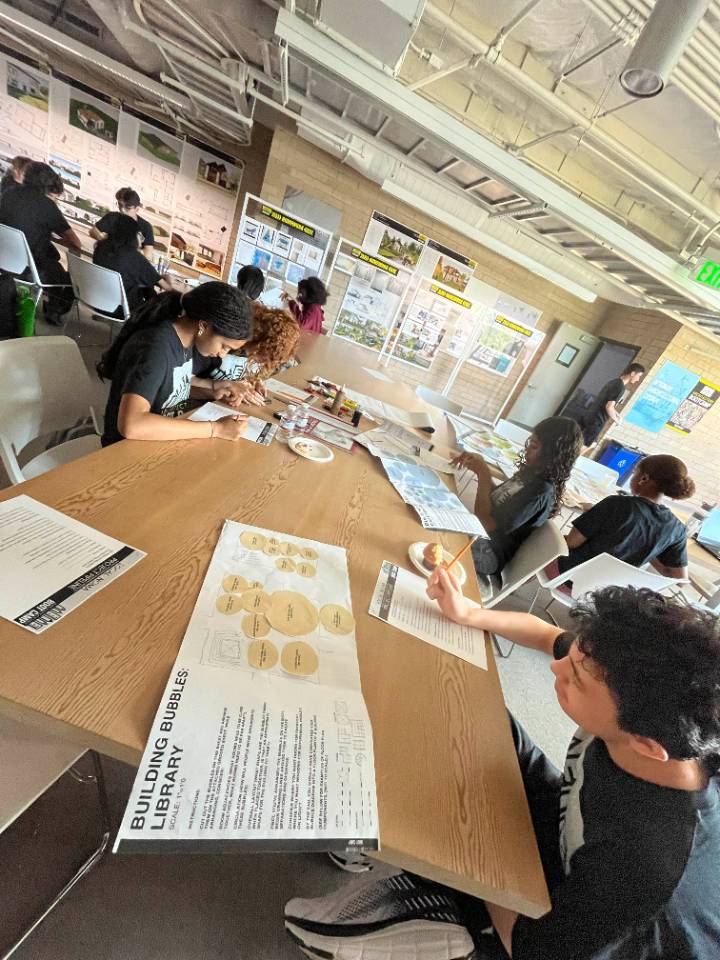
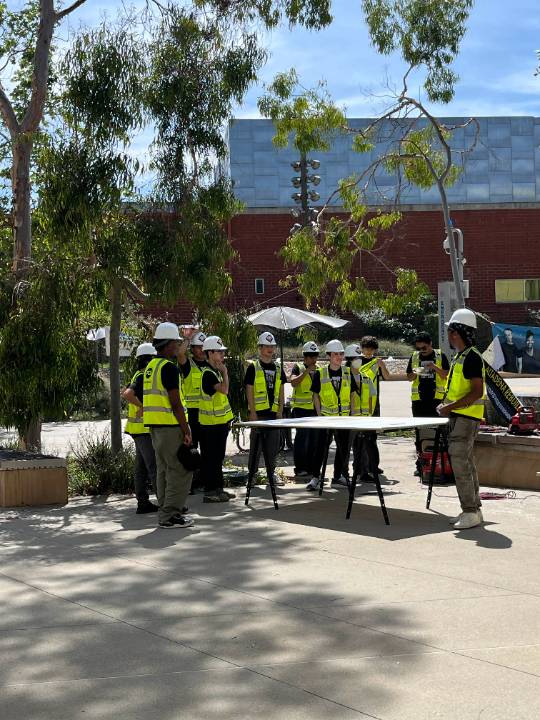
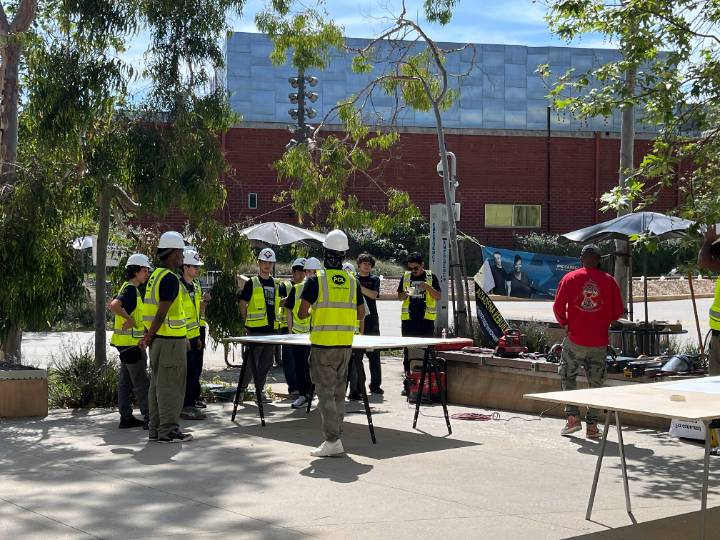
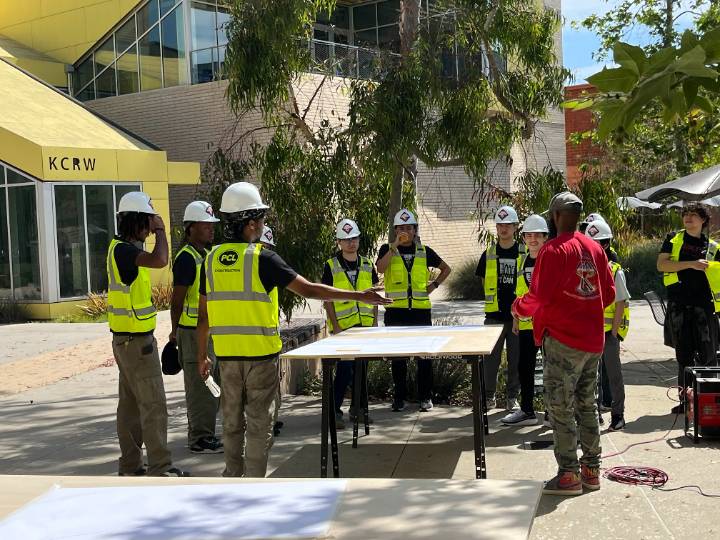
This collaborative initiative paired Santa Monica College (SMC) Architecture students
with mentors from the NOMA Project Pipeline, empowering youth to drive change in their
communities through design.
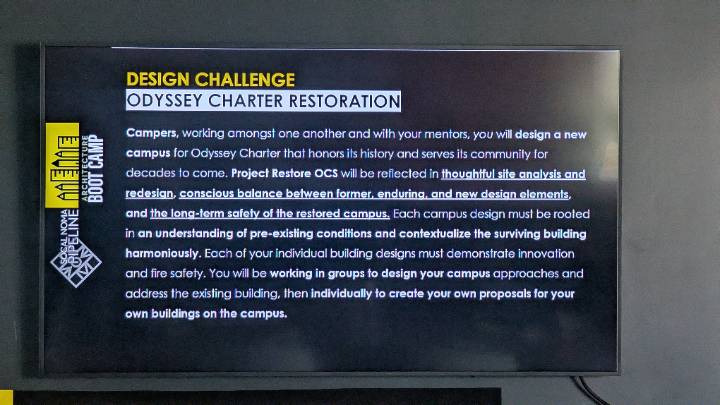
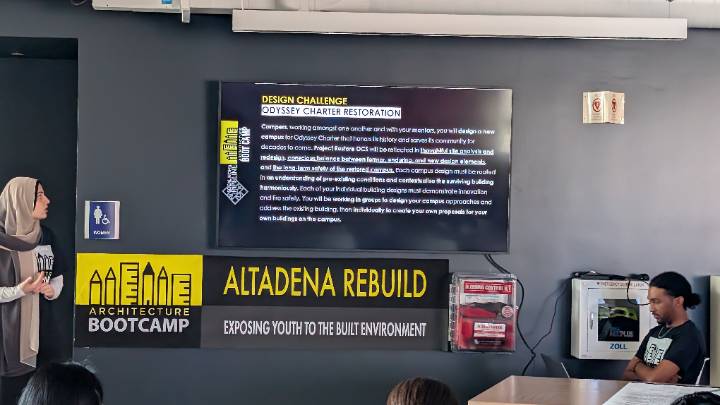
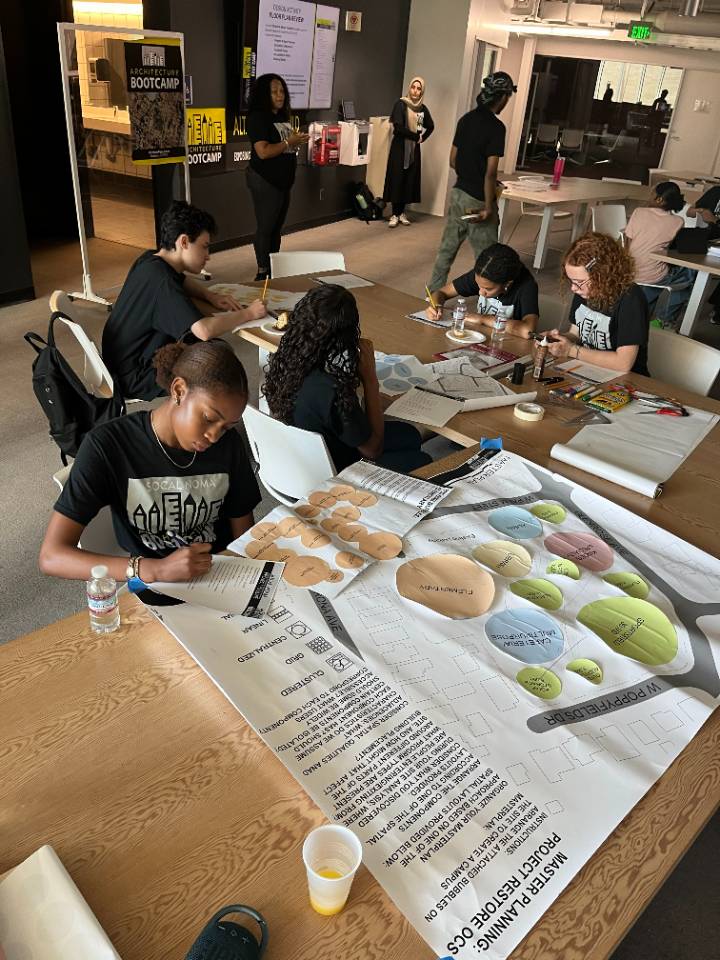
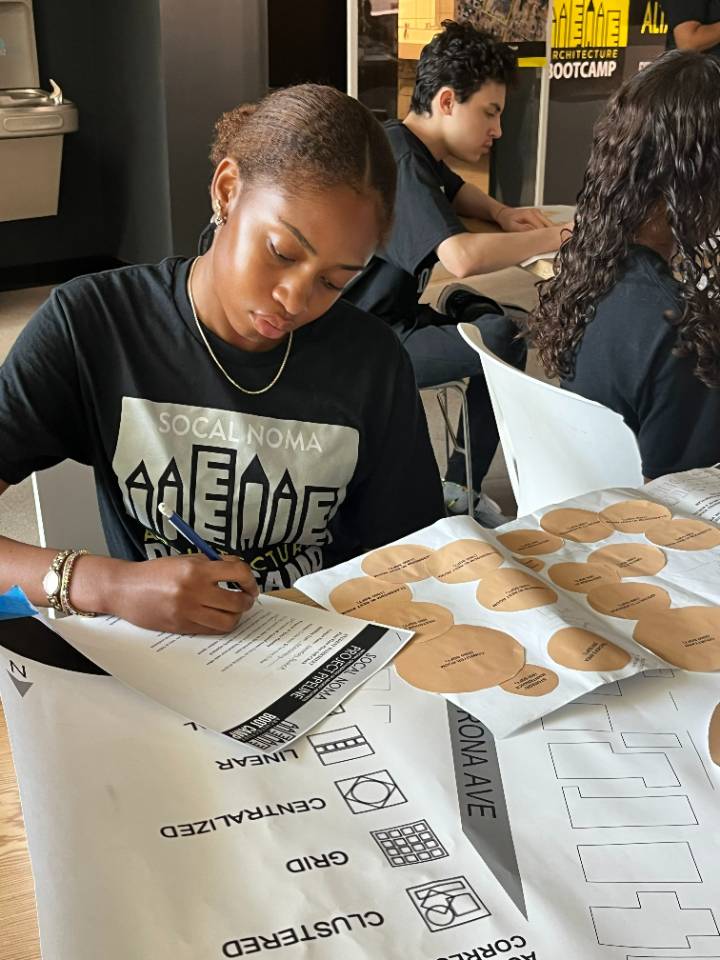
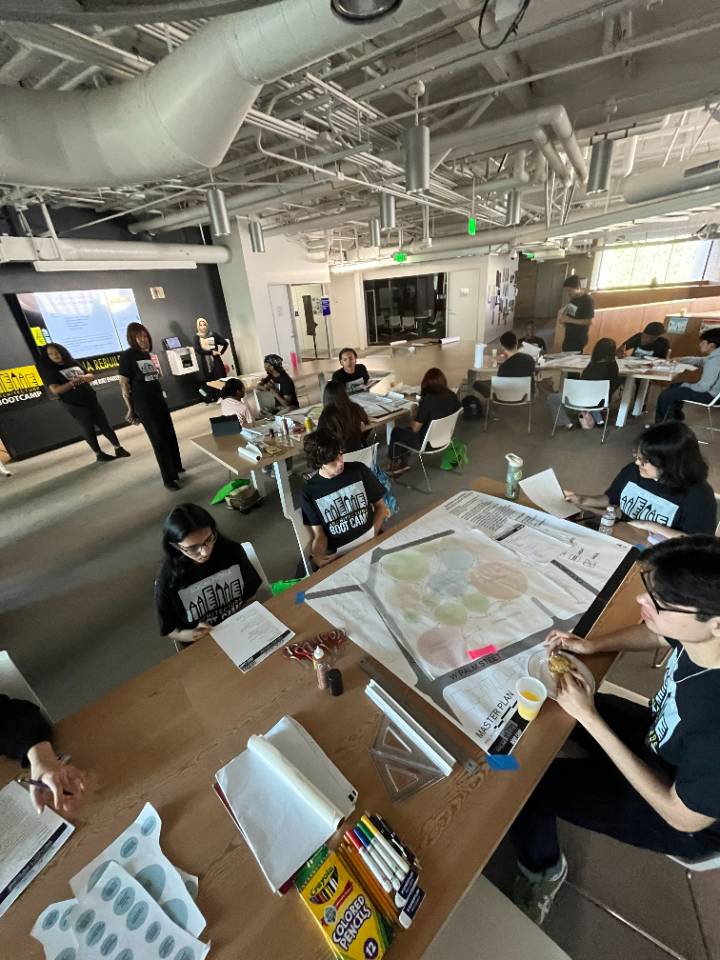
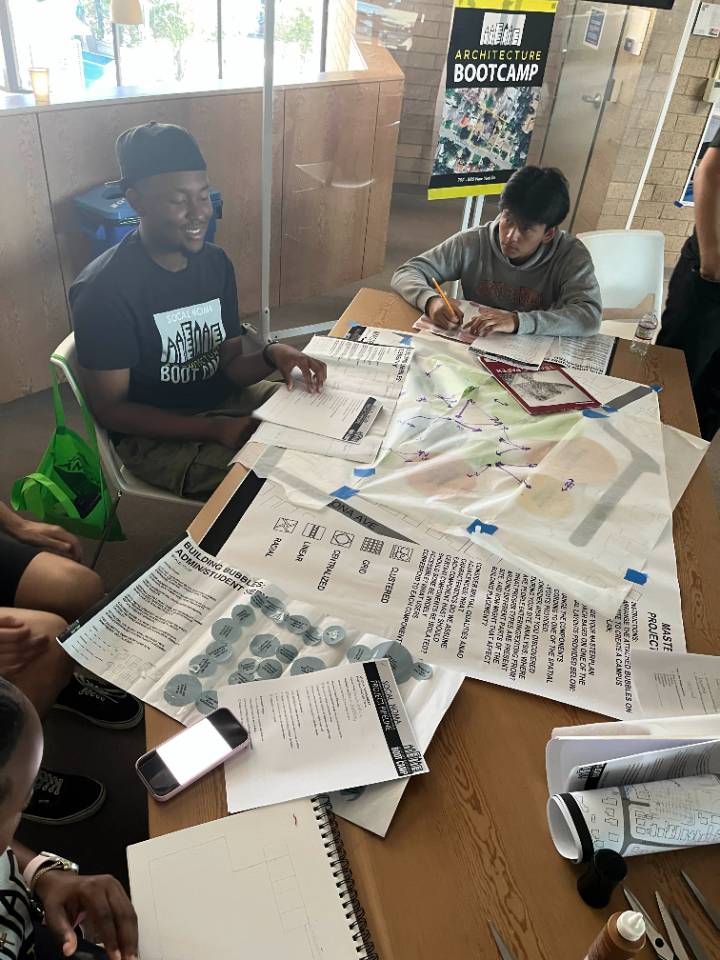
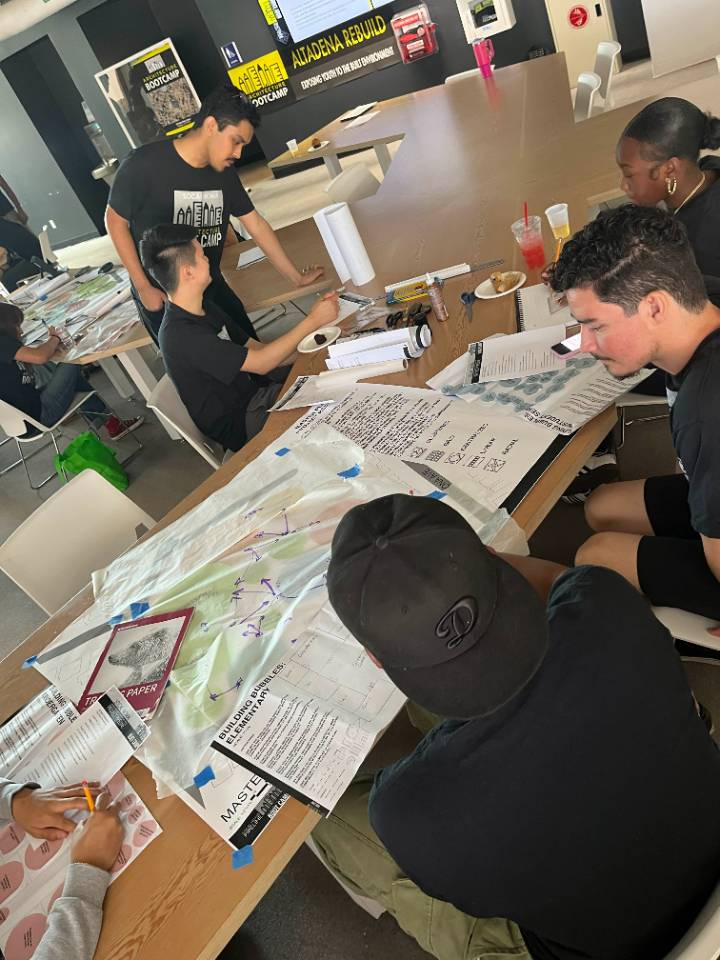
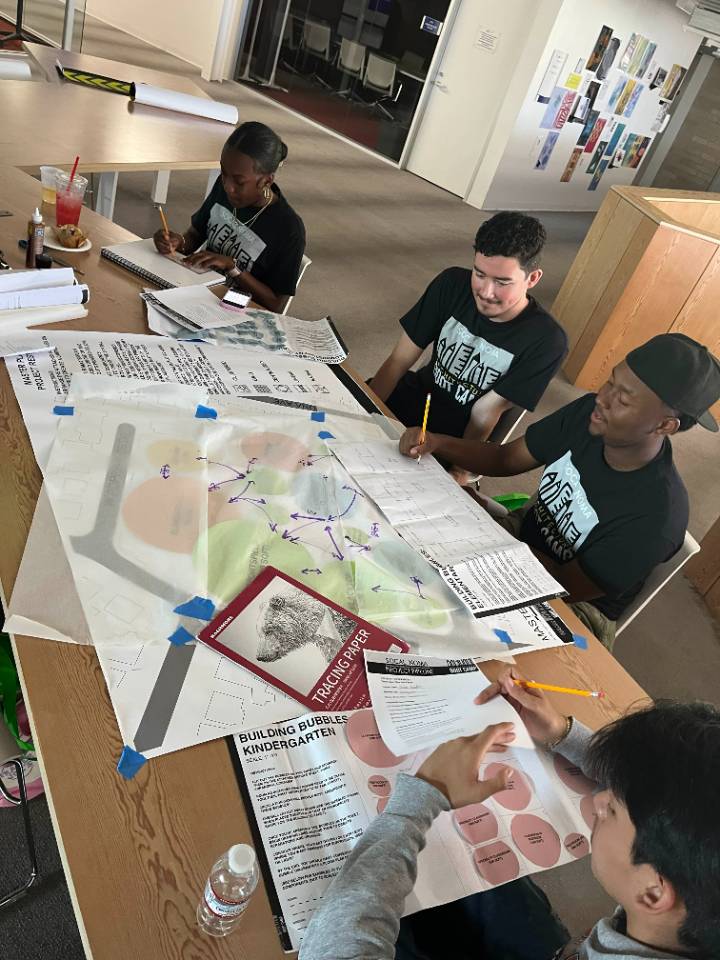
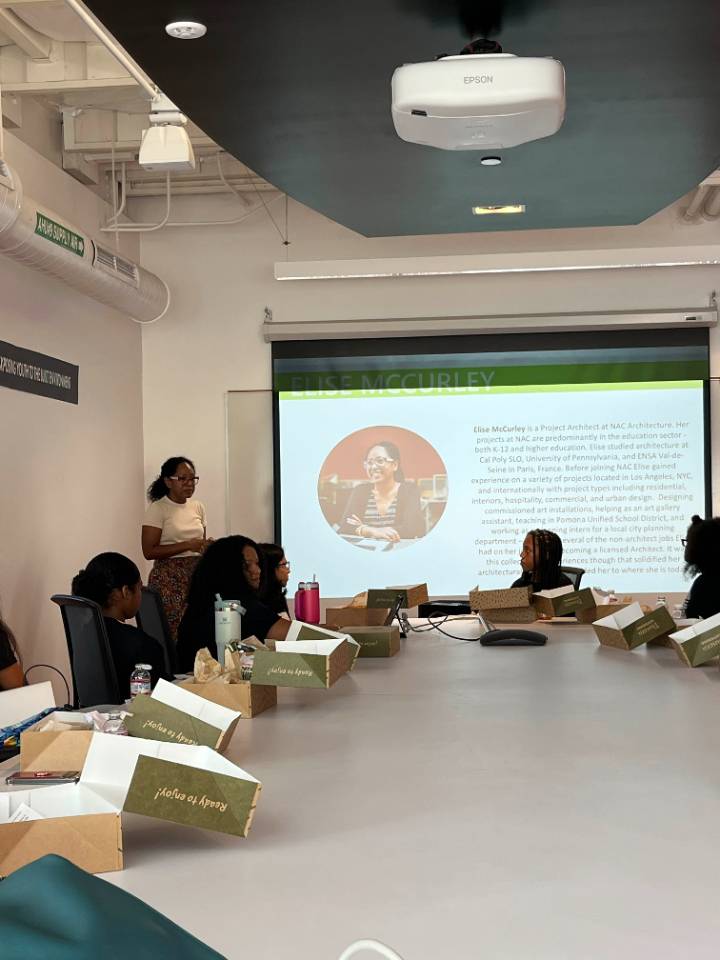
The Architecture Camp connected high school students with Santa Monica College mentors
through a semester-long design program focused on rebuilding fire-affected communities
in Altadena. Participants developed proposals for a new elementary school while SMC
student mentors provided guidance, feedback, and support throughout the design process.
Video
NOMA High School Camp
1/17
Voices of Recovery & Documenting Fire Recovery
Journalism
PR storytelling, interviews, PSAs, podcasts, and reporting on the Palisades Fire from
SMC's Corsair newspaper.
The Corsair
Read the Stories on The Corsair
Student journalists at SMC's award-winning Corsair newspaper covered the fires and
the recovery up close. Read their full stories on The Corsair website:
Voices of Recovery: Public Relations in Times of Crisis
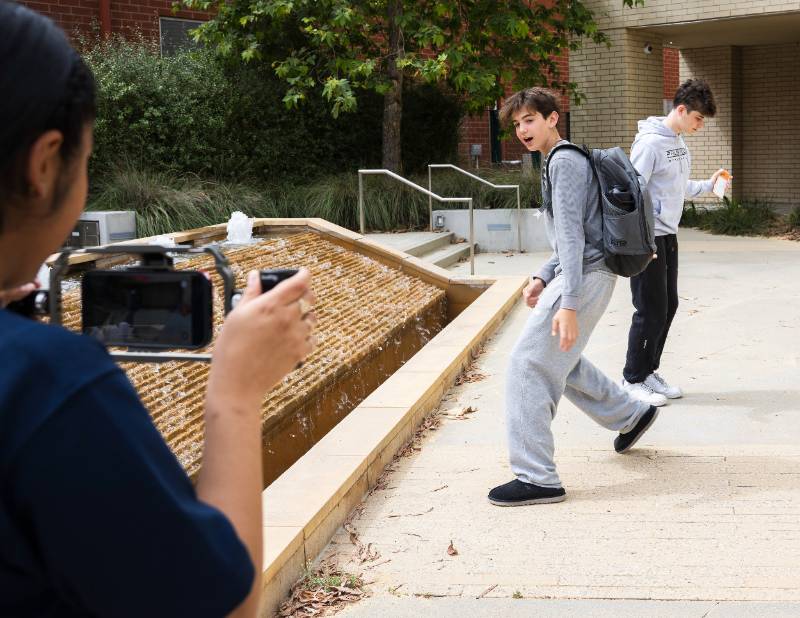
In Journalism 43 / Business 29: Public Relations and Publicity, students explored
the role of communication, media strategy, and storytelling during moments of community
crisis and recovery. Through the lens of public relations, students developed press
materials, media messaging, and user-generated content (UGC) focused on the impact
and aftermath of the Palisades and Altadena fires. The course challenged students
to think critically about how stories are shared, amplified, and shaped across modern
media platforms.
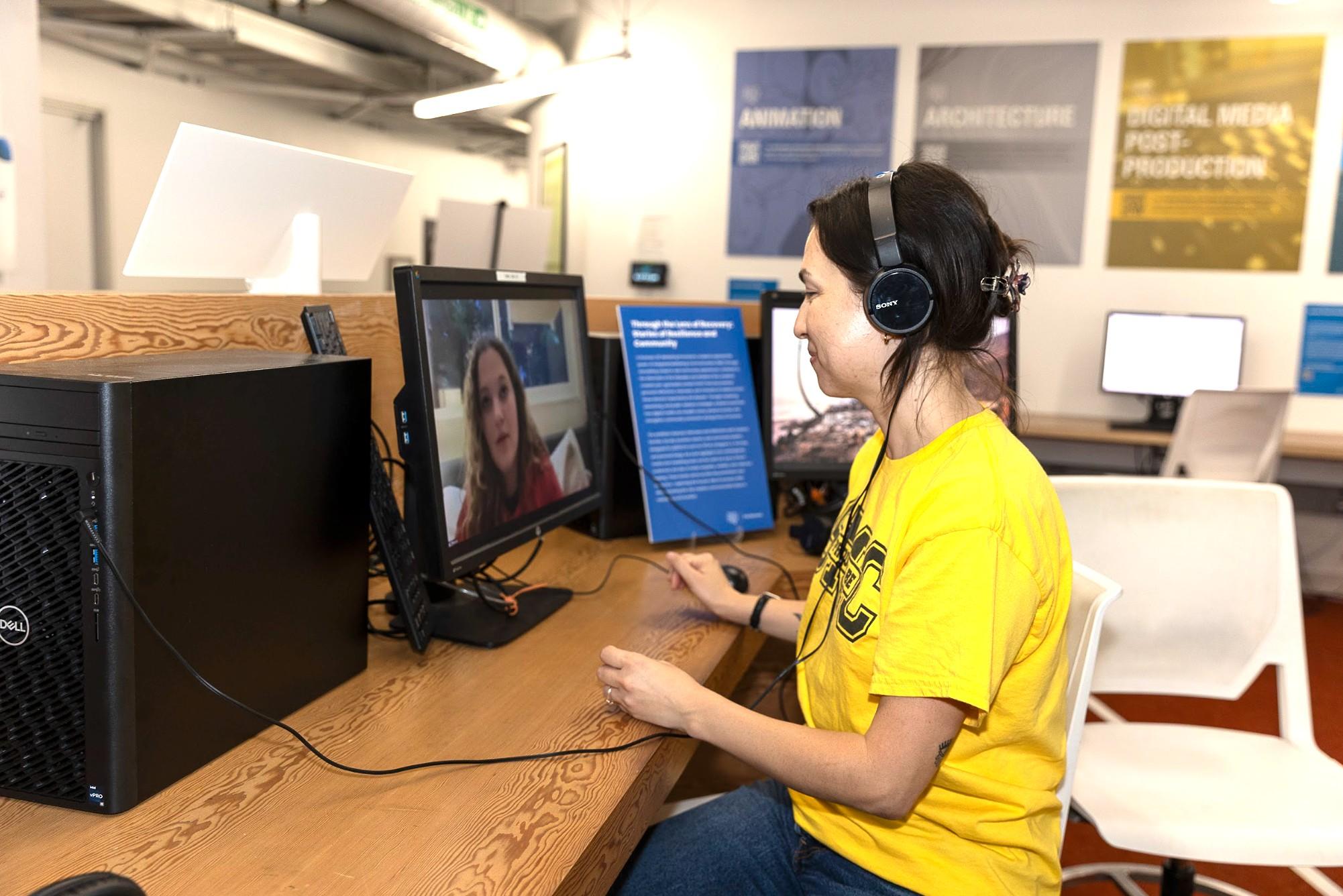
The exhibition showcases interviews, reflections, and short-form media content capturing
the resilience of individuals, families, businesses, and community leaders affected
by the fires. Drawing from professional public relations practices — including media
outreach, publicity campaigns, and digital storytelling — students created content
designed for contemporary platforms and audiences. The work demonstrates how strategic
communication can inform, connect, and support communities while preserving the personal
stories behind large-scale events.
Interviews
Video
1/5
PSA's
Video
1/8
Podcasts
1/3
Journ 16 / Photo 14 / Journ 22
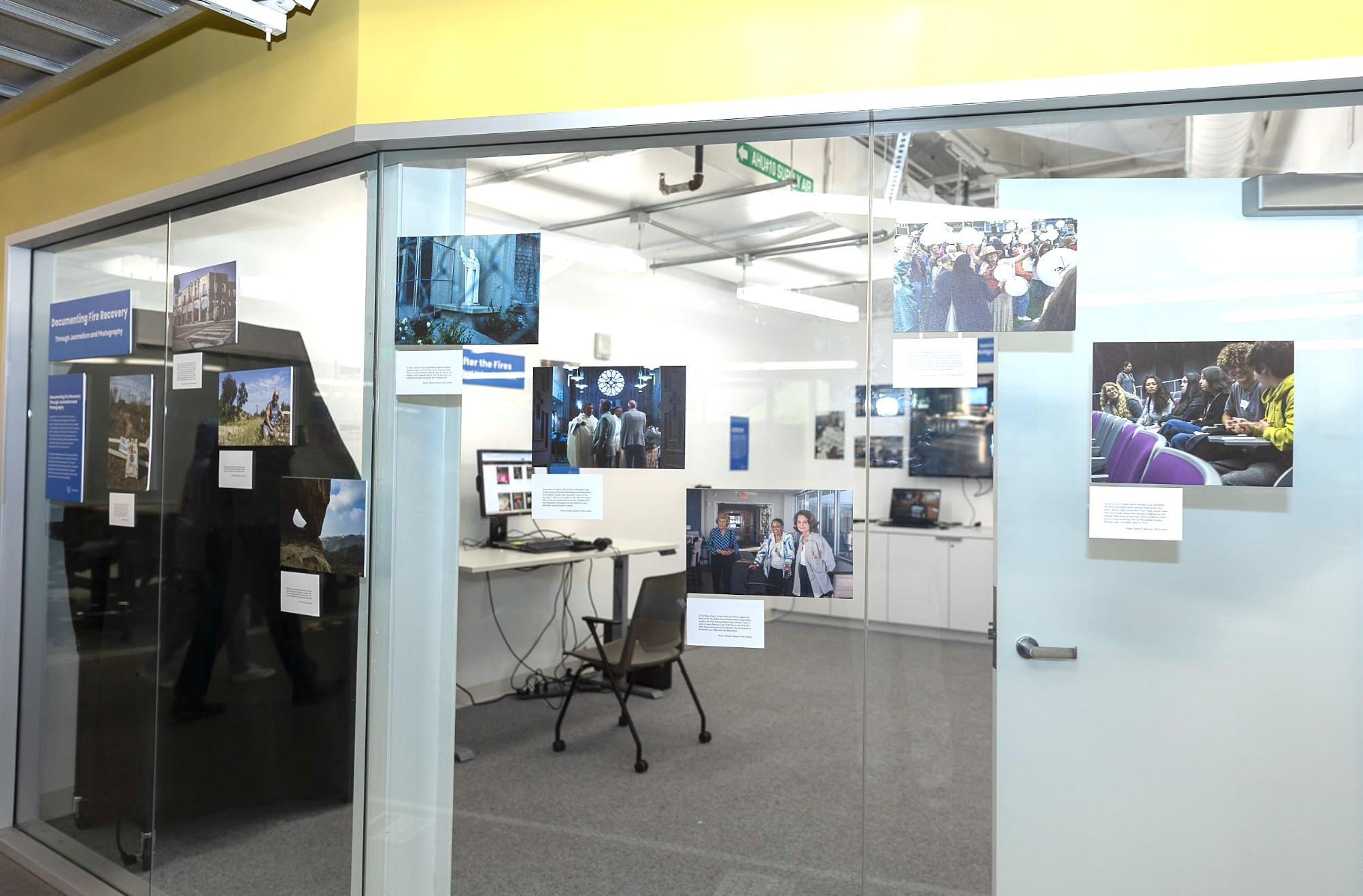
Documenting Fire Recovery Through Journalism and Photography
Students from Journ 16 and Photo 14 / Journ 22 — the writing and photography staff
of Santa Monica College's award-winning Corsair newspaper — documented the college
and community's ongoing efforts to support recovery after the Palisades Fire. Through
reporting, interviews, photography, and social media storytelling, students captured
both the immediate response and the human stories emerging from the recovery process.
The project challenged students to apply journalistic and visual storytelling skills
in real-world conditions, producing continuing coverage for The Corsair news website
and social media platforms. Their work highlights the role student journalists can
play in informing, connecting, and supporting communities during moments of crisis
and rebuilding.
After the Palisades Fire
1/3
Community Remembrance
1/2
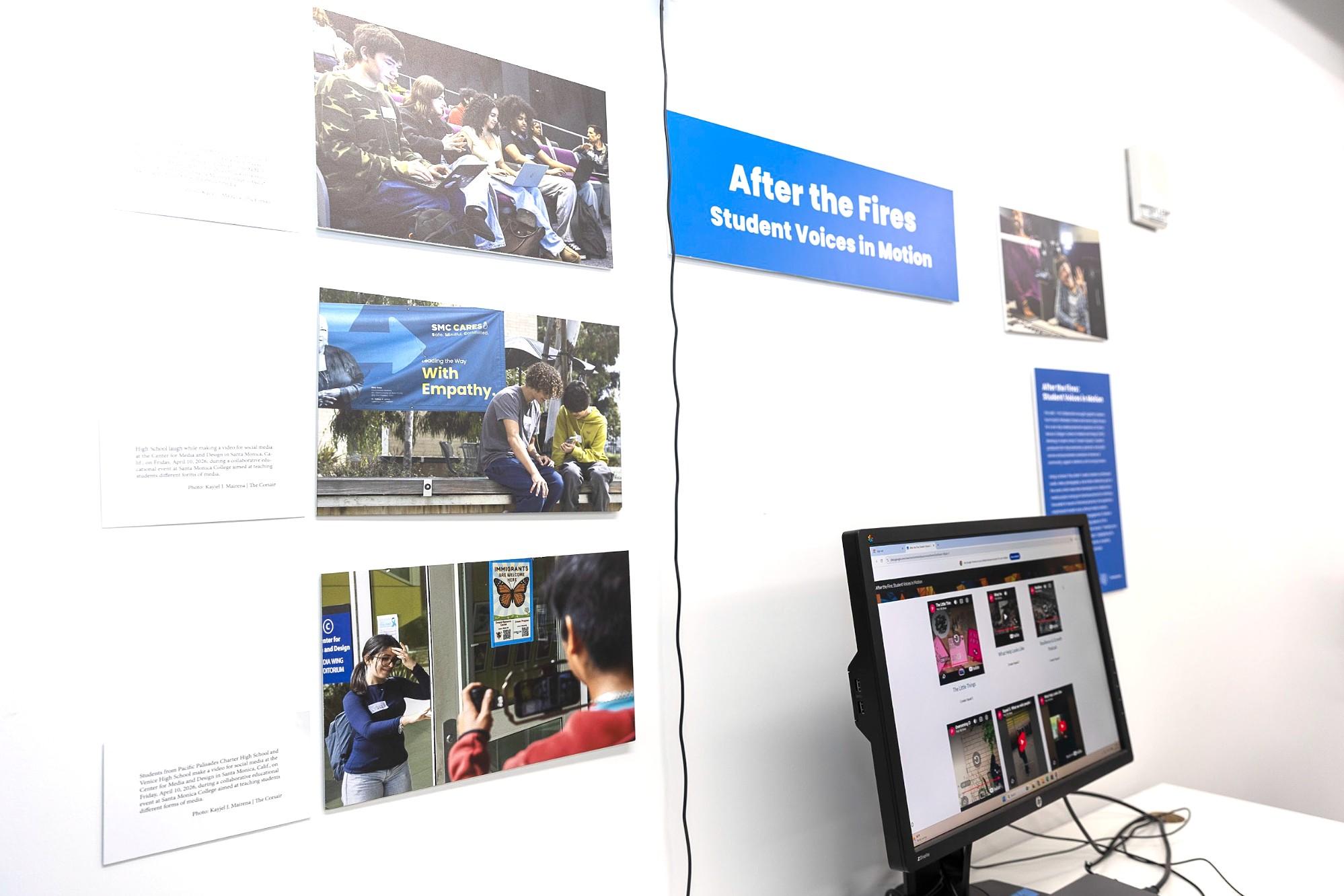
After the Fires: Student Voices in Motion
Media
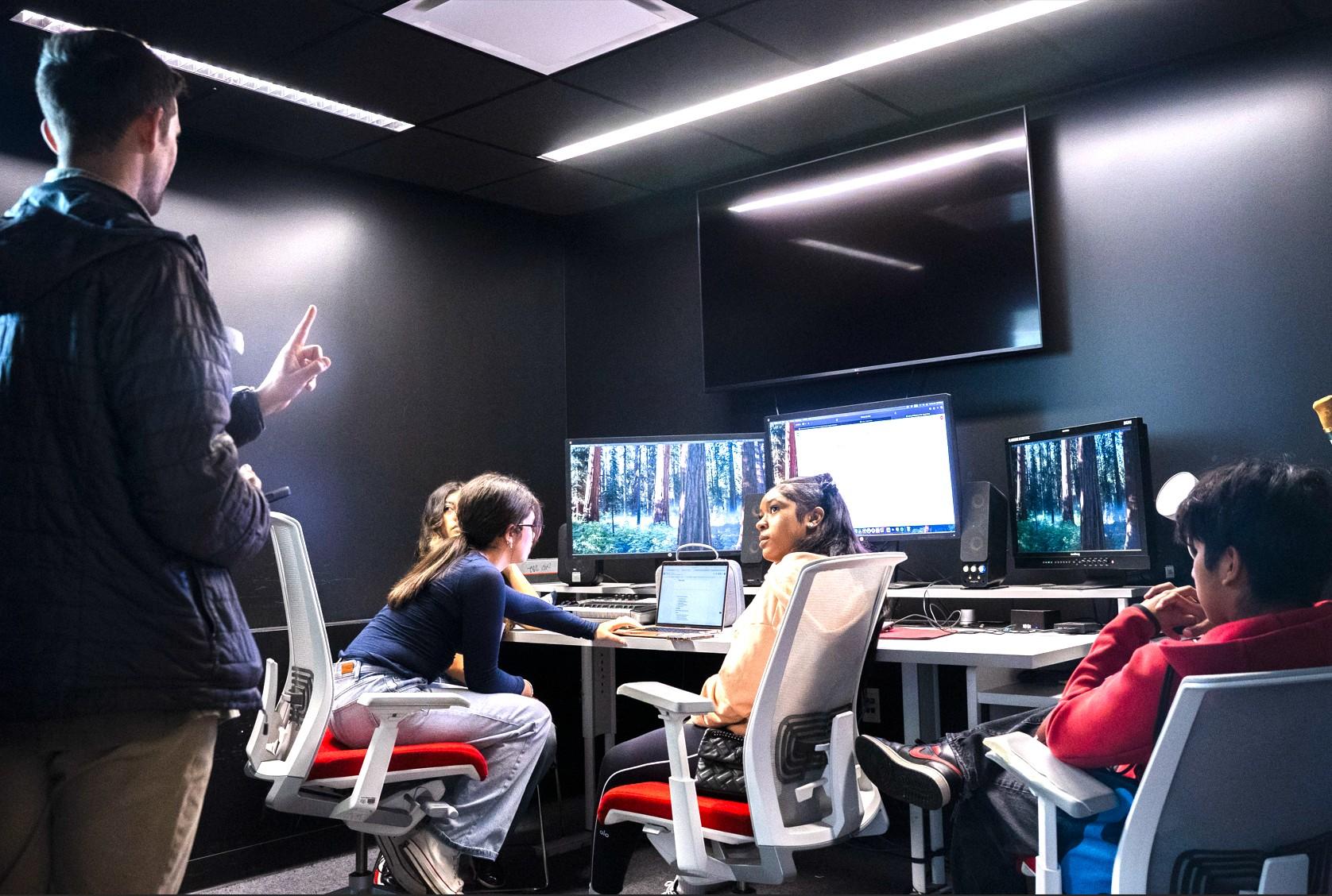
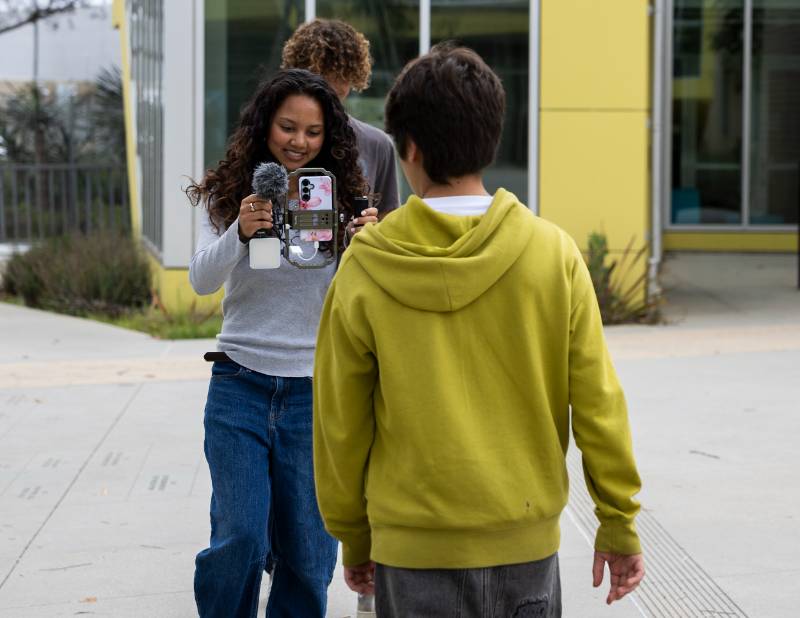
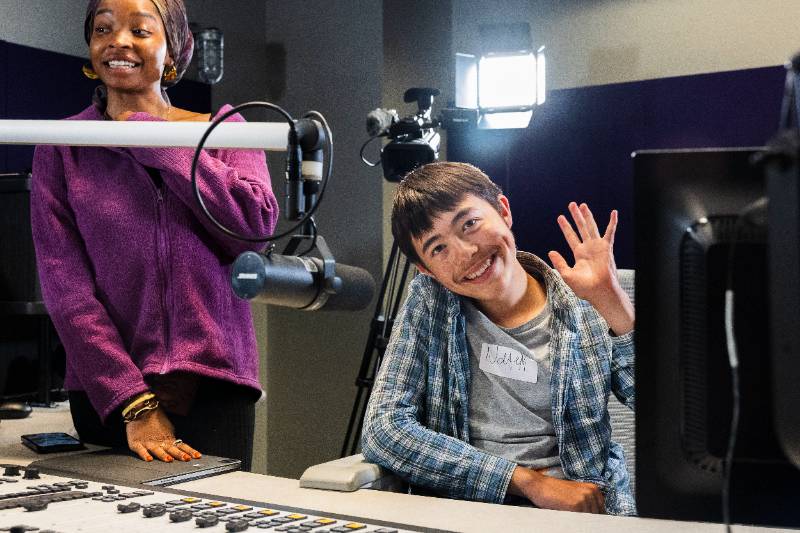
Mini-documentaries, podcasts, and PSAs from high school Creator Squads working at
SMC's Center for Media and Design.
After the Fires: Student Voices in Motion
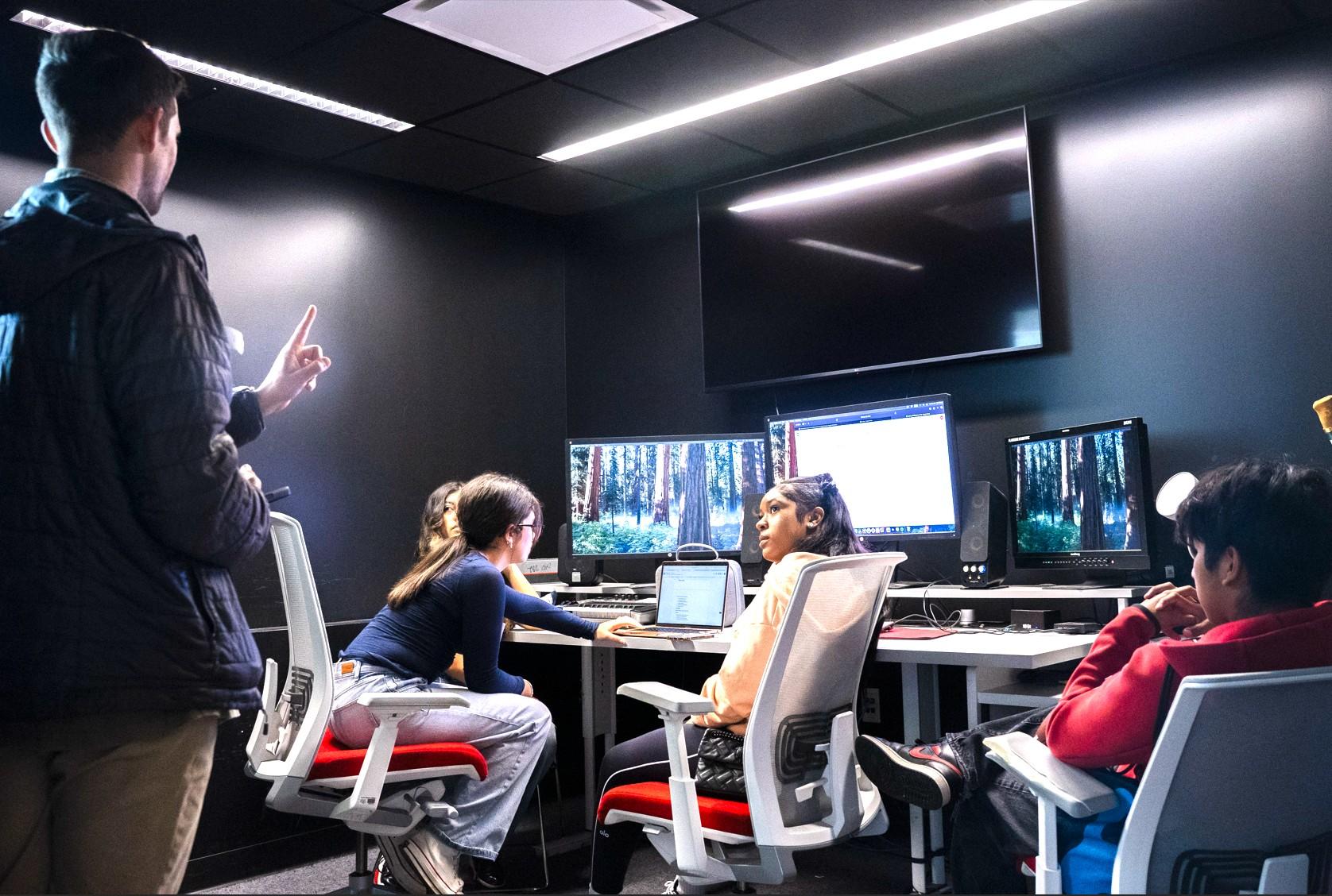
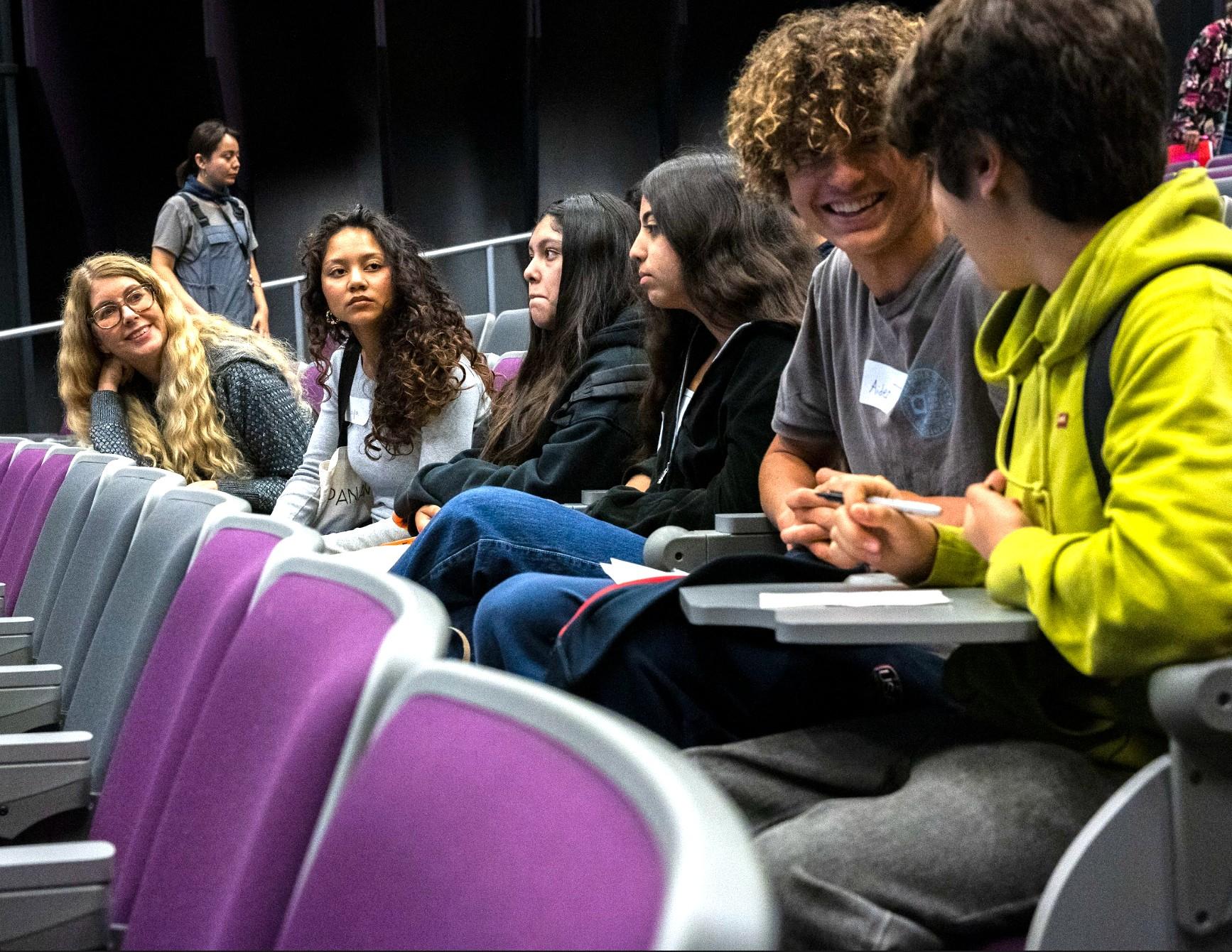
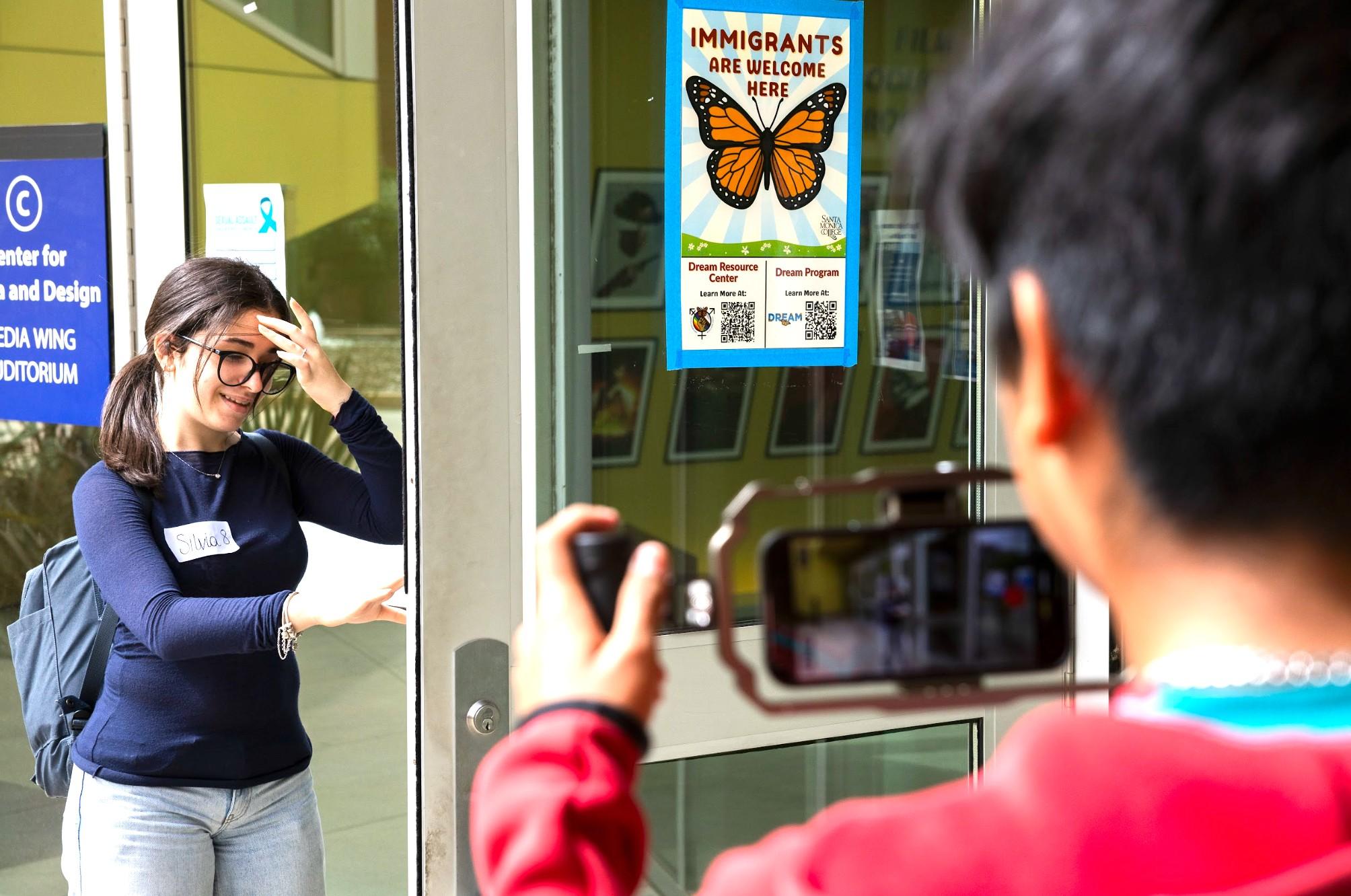
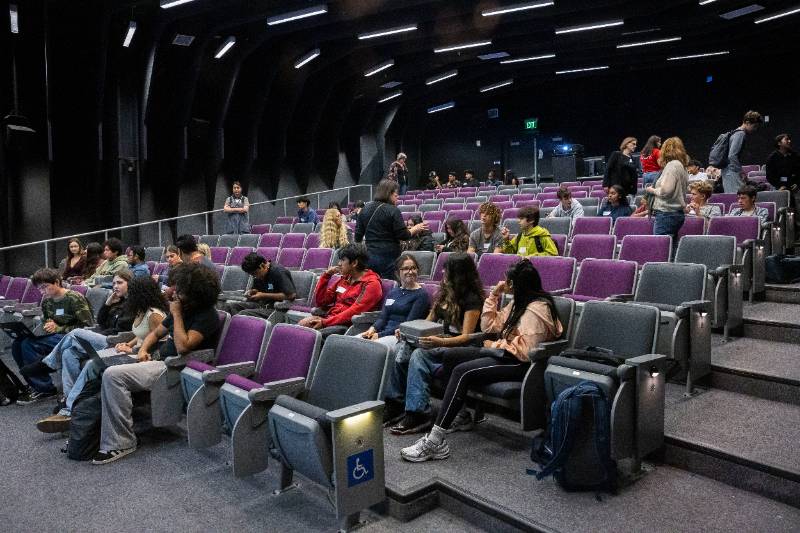
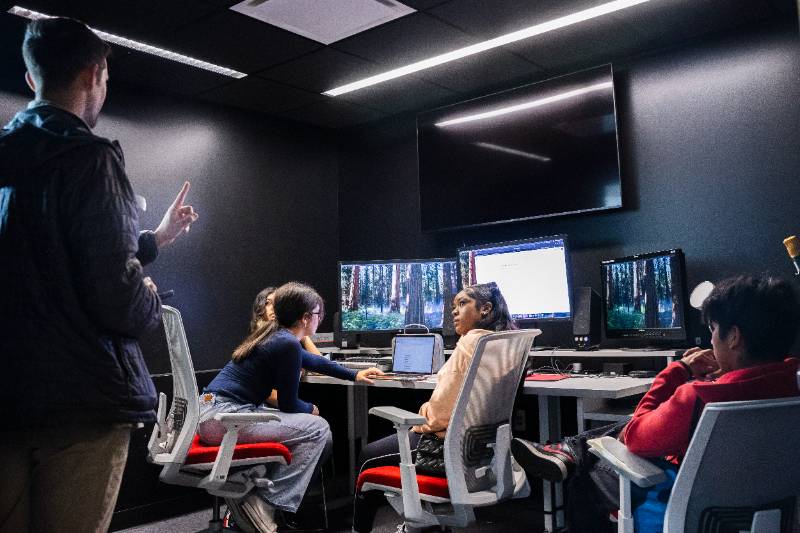
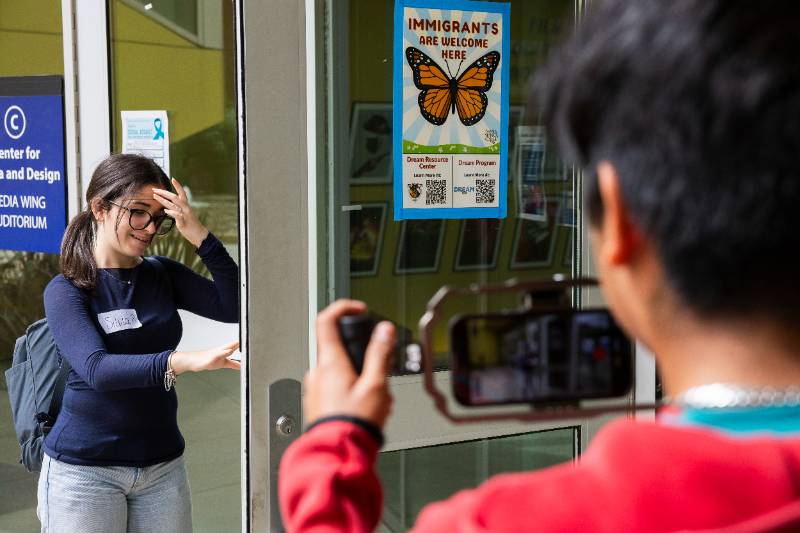
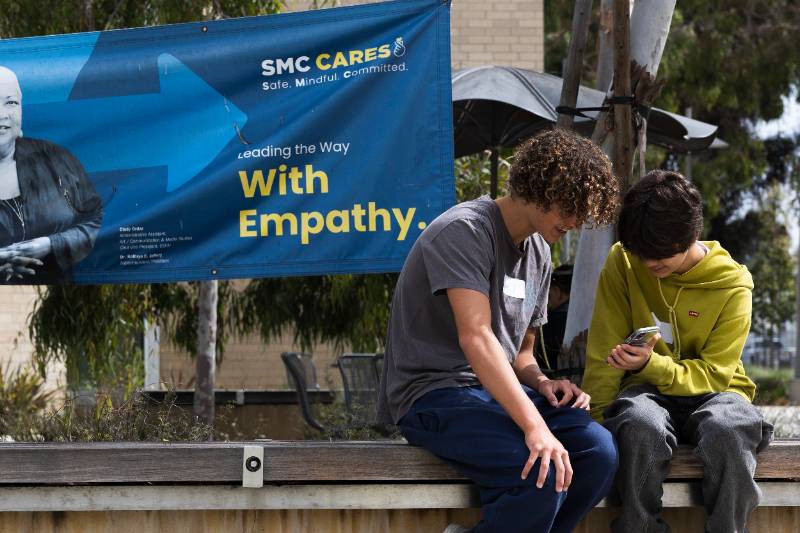
This SMC + HS Collaborative brought together students from Pacific Palisades Charter
and Venice High Schools for a one-day media production experience at Santa Monica
College's Center for Media and Design (CMD). Working in mixed-school "Creator Squads,"
students produced mini-documentaries, podcasts, and public service announcements centered
on themes of community, support, resilience, and moving forward.
Using a shared "Story Bank" model, students contributed audio, video, photography,
and written reflections prior to the event, which were then developed into collaborative
media projects during an intensive production workshop. Grounded in trauma-informed
practices, the experience emphasized student voice, ethical media creation, collaboration,
and community engagement.
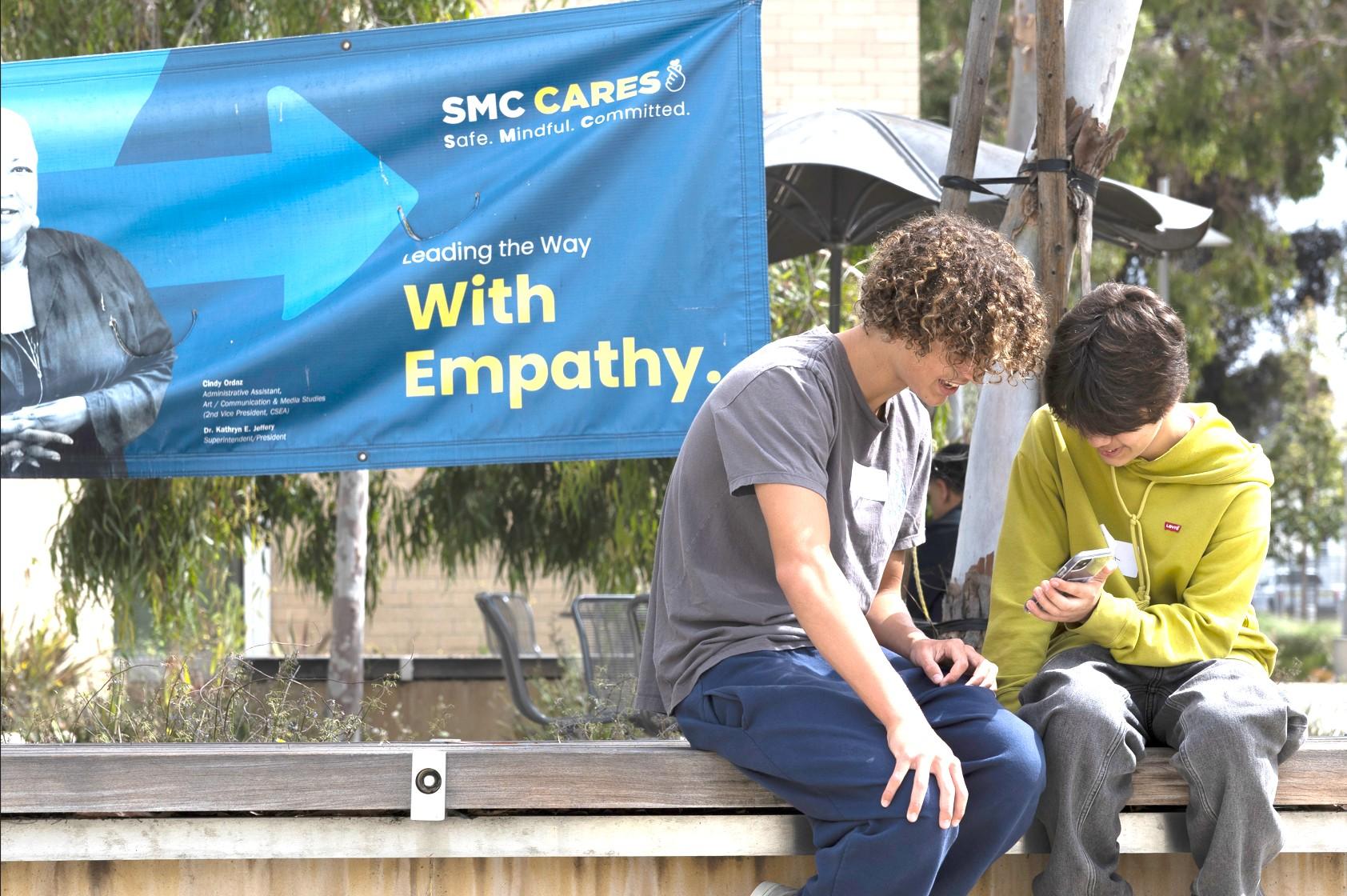
Students reflected that the most rewarding aspects of the experience included "hearing
other stories," "meeting new people," and "becoming a true team," highlighting the
project's impact in fostering connection, empathy, creativity, and confidence across
schools.
Below: a gallery of moments from the production day, followed by the final HS Creator
Squad video projects.
After the Fires Gallery
1/3
HS Creator Squad Videos
Video
1/11
Media 20
Student Interviews from Media 20
Students in Media 20 conducted in-depth interviews with community members, first responders,
and local leaders about the impact of the Palisades and Altadena fires. The interviews
highlight personal stories of loss, resilience, and recovery — captured through the
lens of student journalists learning the craft of long-form audio and video storytelling.
Media 20 Interviews
Video
1/6
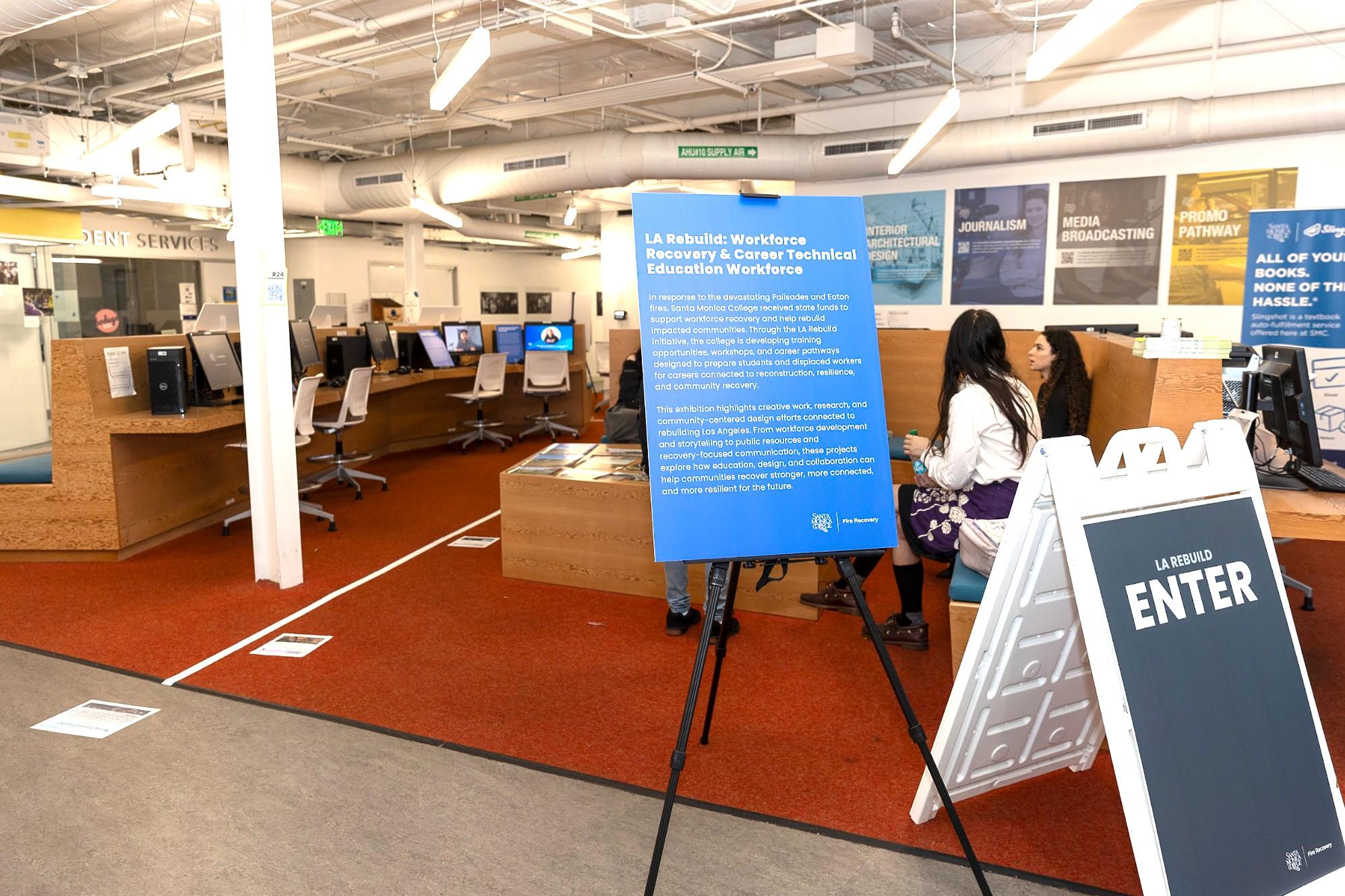
LA Rebuild Exhibition Design — From Screens to Spaces
User Experience 2
UX students designed both a public-facing website and the physical exhibition for
the Fire Recovery Grant.
User Experience 2 — From Screens to Spaces
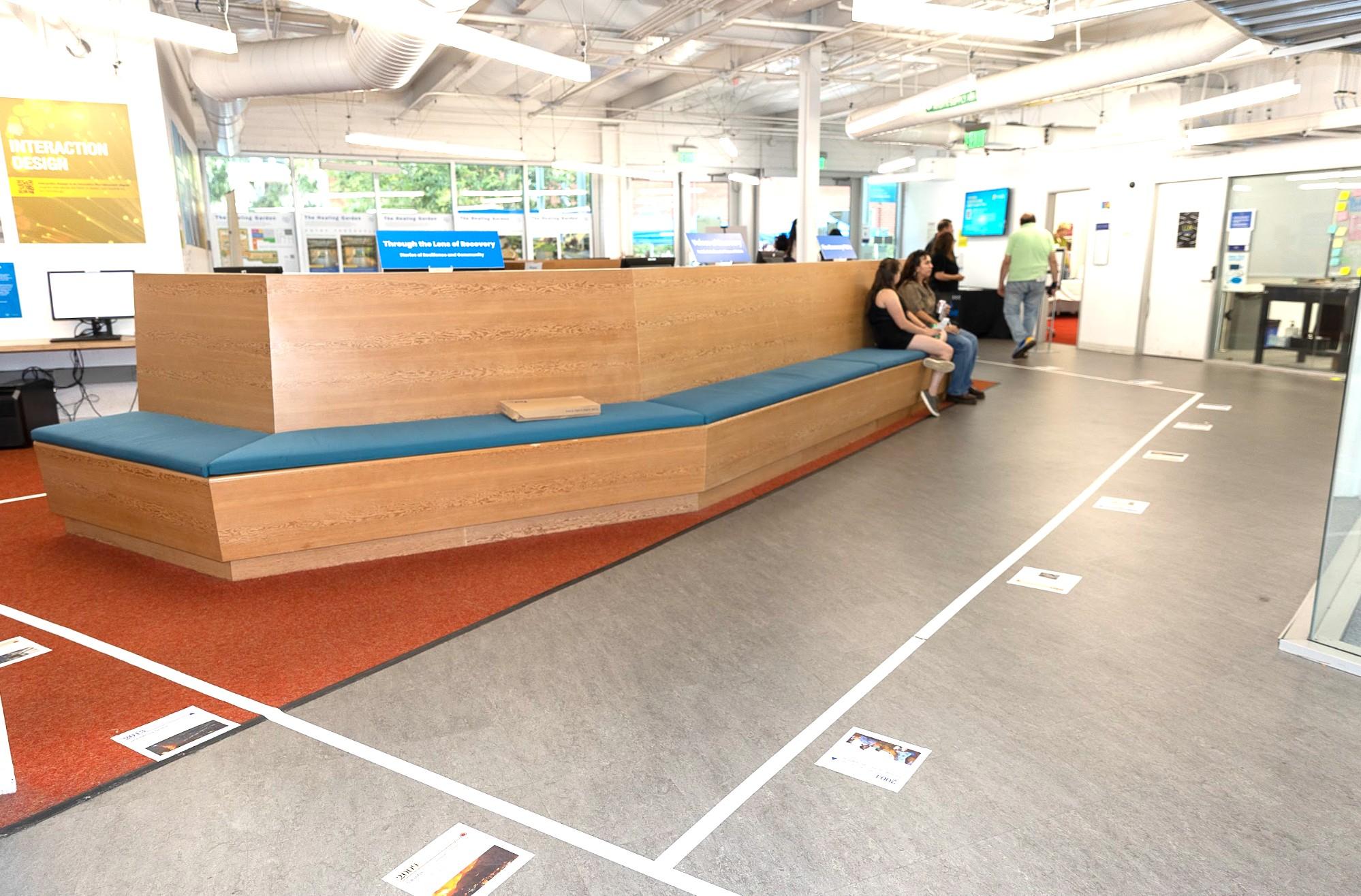
User Experience (UX) 2 expands beyond traditional web and mobile design to explore
holistic, real-world user experiences across digital, physical, and speculative systems.
For the Fire Recovery Grant, students developed content and helped design the experience
for both a public-facing website (coming soon) and the physical exhibition on display today.
Student work in this class included storytelling content, exhibition materials, and
experience design elements that support community engagement around fire recovery
efforts.
Exhibition Gallery
1/6
Welcome letter from the Office of Workforce and Economic Development (W&ED)
Dear Community,
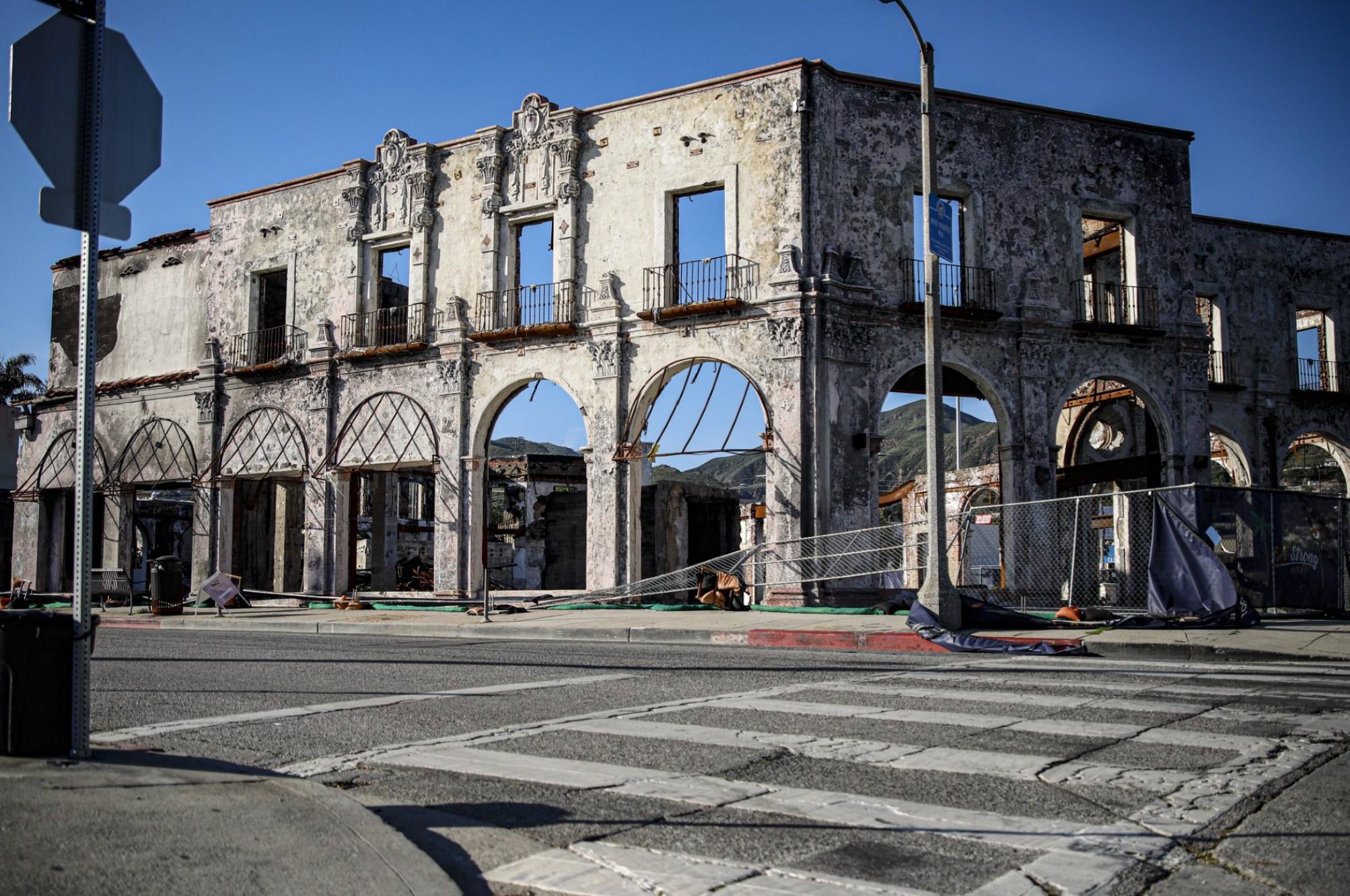
The devastating Palisades and Eaton Fires destroyed nearly 17,000 structures, burned
approximately 40,000 acres, and caused an estimated $28 billion to $53.8 billion in
property damage, with billions more in business interruption losses. While rebuilding
efforts are underway, the region faces a significant shortage of skilled workers,
creating a workforce gap that threatens to delay recovery, increase rebuilding costs,
and slow economic revitalization.
The scale of destruction caused by the Palisades and Eaton Fires requires a coordinated,
long-term workforce development response. Community Colleges are serving as essential
partners in that response by preparing the skilled workforce needed to rebuild homes,
businesses, infrastructure, and communities throughout the region.
Funding has enabled colleges to align educational programs with evolving workforce
needs in architecture, engineering, construction, design, sustainability, and related
fields. Faculty are working closely with employers to ensure curriculum remains responsive
to industry demands, while students gain valuable hands-on experiences, work-based
learning opportunities, and exposure to real-world rebuilding projects.
Working together enables colleges, employers, workforce agencies, businesses, and
community organizations to maximize resources, expand opportunities, and accelerate
equitable recovery for the communities impacted by the wildfires.
Santa Monica Community College Disaster Support Fund
Fire Relief Support Update
Following the January wildfires in Los Angeles County, the SMC Foundation launched
a rapid response initiative, including food and clothing distribution and emergency
financial aid. Within days, fundraising began, and tailored applications were distributed
to students and employees. The first grants were awarded by February 5, 2025.
To date, over $1.7 million has been raised. Relief grants were categorized based on impact:
Total loss of residence: $5,000
Damaged but livable residence: $2,500
Temporary displacement or workplace damage: $500–$1,000
In total, 82 students and 20 employees received aid, amounting to $736,000 across two rounds. A third round of $726,000 is planned for current students, including recent graduates from impacted high schools.
The Foundation also partnered with Santa Monica-Malibu Unified School District (SMMUSD),
awarding $250,000 in subgrants to support 32 families and 15 employees. SMMUSD adopted SMC's vetting
process to ensure equitable distribution.
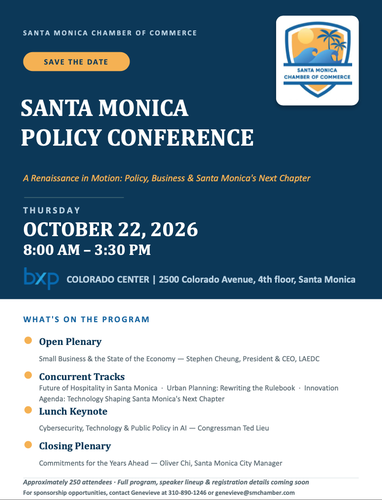
The Chamber is a key partner in our fire recovery efforts, connecting local businesses
with rebuild committees, networking opportunities, and workforce-development workshops.
Through this partnership, SMC and the Chamber have supported 40+ businesses impacted by the Palisades and Eaton Fires with resources to recover, reopen, and
rebuild stronger.
Created by the Santa Monica Chamber of Commerce, this directory connects residents
rebuilding after the fires with local architects, designers, contractors, and specialty
trades — alongside tuition-free SMC classes and certificate programs for anyone looking
to upskill into rebuilding careers, including Architecture and Interior Architectural
Design.
Full-service architecture, interiors, and planning firm with over 30 years of international
experience across residential, commercial, civic, educational, and institutional projects.
Breakform Design
Full-service architecture, design, and general contracting firm with an in-house metal
fabrication specialty, crafting timeless designs in glass, metal, wood, concrete,
and landscape.
Catia Sander Design
Full-service architectural and interior design studio specializing in residential
and boutique commercial projects, focused on restoring stability, comfort, and identity
after loss.
Form Found Design
Full-service architecture firm helping Palisades and Altadena fire survivors rebuild
with fire-resilient, non-combustible, prefabricated cold-formed steel homes — one-stop
service from design through turnkey finish.
DFH Architects
Independent, award-winning firm with 40+ years in Southern California commercial,
mixed-use, and multifamily residential design, entitlement, and code navigation.
Frederick Fisher and Partners (FF&P)
Design-first architecture practice serving Southern California with community-focused
residential and institutional work.
Ecocentrix Landscape Architecture
LA-based firm with 30+ years in high-end residential and complex hillside projects,
including fire-affected properties requiring thoughtful grading, drainage, and resilient
material strategies.
Noblessa
Full cabinetry design and manufacturing services for every room of the house, produced
by one of the largest cabinetry manufacturers in Germany.
Interior Design Studio
Full-service interior design practice balancing smart planning with good design, from
concept to completion, with careful attention to client budgets.
Hospitality & Residential Interior Design
Full-service interior design firm with 10+ years in California (including Soho House),
collaborating with architects from concept through every finish and furnishing specification.
Brookfield Residential
Trusted homebuilder and community developer with 70 years of experience, with communities
in Altadena, Arcadia, Azusa, and Playa Vista near Pacific Palisades.
Farnsworth Builders
Custom home builder specializing in fire-resistant, future-proof homes, offering neighborhood
discounts to support the Palisades rebuilding effort.
Fountainhead Homes
Luxury home designer and builder crafting distinctive custom residences across West
Los Angeles for over three decades.
Frantz Construction
Custom home building services from concept to completion, building homes as unique
and beautiful as they are functional.
Granvia Builders Inc.
Licensed LA general contractor for ground-up homes, fire rebuilds, and ADUs, with
WUI code compliance and high-performance window and glazing systems.
Kasteler Construction
Expert general contractor for restaurants and large residential remodels.
Homebound Technologies
End-to-end rebuild support combining insurance guidance, design, permitting, and construction
under one roof — founded by homeowners who lost their homes in the 2017 Tubbs Fire.
KOR Design Build
Licensed residential construction company with 27+ years managing remodels, additions,
and ground-up builds with a transparent cost-plus approach and no material markups.
Morley Builders
Since 1947, a 100% employee-owned general contractor ranked among ENR’s Top 400, offering
preconstruction, design-build, seismic strengthening, and LEED-rated sustainable construction.
Oakmont Builders
Custom home builder specializing in fire-resilient construction and non-combustible
exterior systems; James Hardie Elite Preferred Contractor rebuilding in Pacific Palisades.
Westside Remodeling
Family- and veteran-owned design-build general contractor serving LA for 40+ years,
with 240+ ground-up homes managed directly by its president.
Thomas James Homes
Nation’s leading single-lot urban infill homebuilder with a streamlined turnkey process,
guaranteed pricing and timelines, at the forefront of Pacific Palisades rebuilding.
Spencer Fane LLP — Alexandra (Real Estate Attorney)
Santa Monica-based real estate attorney advising homeowners on real estate litigation,
permitting and title issues, contractor disputes, and insurance claims through the
recovery and rebuild process.
Crews for Causes / Caleb Ramsay, eXp Realty
Licensed Westside real estate professional helping displaced Palisades homeowners
evaluate rebuilding, land sales, and property value — plus project management advocacy
for rebuilds.
reSAWN TIMBER co.
High-performance, design-driven wood cladding and decking engineered for coastal and
WUI environments, with a Class A fire-rated cladding line launching this year.
Pacific Architectural Concepts (PAC-SoCal)
Trusted resource connecting building and design professionals with the highest-quality
manufacturers in the construction industry.
DSI Luxury Technology
Award-winning smart home integrator with 30+ years integrating audio/video, theaters,
lighting control, networking, and automation into high-end residences.
Malibu Glass
Family-owned since 1971; rebuilt after its own 2007 fire loss and helped neighbors
after Woolsey — glass installation and repair for Malibu and the Palisades.
Allegro Steel
Family-owned, LA City-approved steel fabricator with 30+ years in structural steel
and decorative metal welding, fabrication, and installation.
Palisades Community Renewal Center
Program of the Picerne Family Foundation offering free therapy, arts programming,
wellness activities, and community gatherings for post-fire recovery.
Creative Geotechnical, Inc.
Geotechnical and engineering geology reports for level and hillside properties, from
preliminary planning through post-construction review.
Realm Living, Inc.
Home construction platform connecting homeowners with vetted, licensed contractors;
currently guiding 200+ families through the fire rebuild process with dedicated advisors.
Lerman Pros HVAC, Inc.
Family-owned, licensed, and insured heating, cooling, and ventilation services; Bosch
preferred installer and Mitsubishi diamond dealer.
RBH Insulation, Inc.
Custom home residential insulation contractor and Certified Energy Expert, buying
direct from Owens Corning, Johns Manville, Rockwool, and SWD.
The Junkluggers of West LA
Eco-friendly junk and furniture hauling with donation and recycling first — from furniture
to construction debris.
Build Back Better LA / Craig Lawson & Co.
Integrated rebuilding team — architects, general contractors, structural and geotechnical
engineers, permitting consultants, and insurance experts — for fire-impacted LA property
owners.
H&S Roofing Corporation
Licensed and insured roof replacements, repairs, leak detection, and exterior restoration
across Los Angeles.
Signals AV
Custom home technology solutions: audio/video, networking, lighting control, shading,
surveillance, and smart home automation from design through ongoing support.
Sound & Secure Innovations, Inc.
14+ years of concierge-level security, fire and flood protection, electronic access,
and entertainment systems for homeowners and businesses.
Guardian Traffic Solutions
Certified lane closures, flagging, and traffic control crews supporting the rebuilding
community in the public right of way.
CoolVu of West Los Angeles
Premium window and glass solutions — tinting, privacy and frosted glass, architectural
surfaces, and security glass with expert installation.
Looking to Upskill? Study the Trades Behind the Rebuild at SMC
The directory also features tuition-free SMC classes and certificate programs — including
Architecture and Interior Architectural Design (454 students enrolled in Spring 2026),
Early Care and Education noncredit certificates, Business/Entrepreneurship, and Real
Estate — open to the community with no prerequisites.
A timeline of the grant year — the milestones, events, and student work that carried
this community from the first days of relief through the rebuild.
Spring 2026
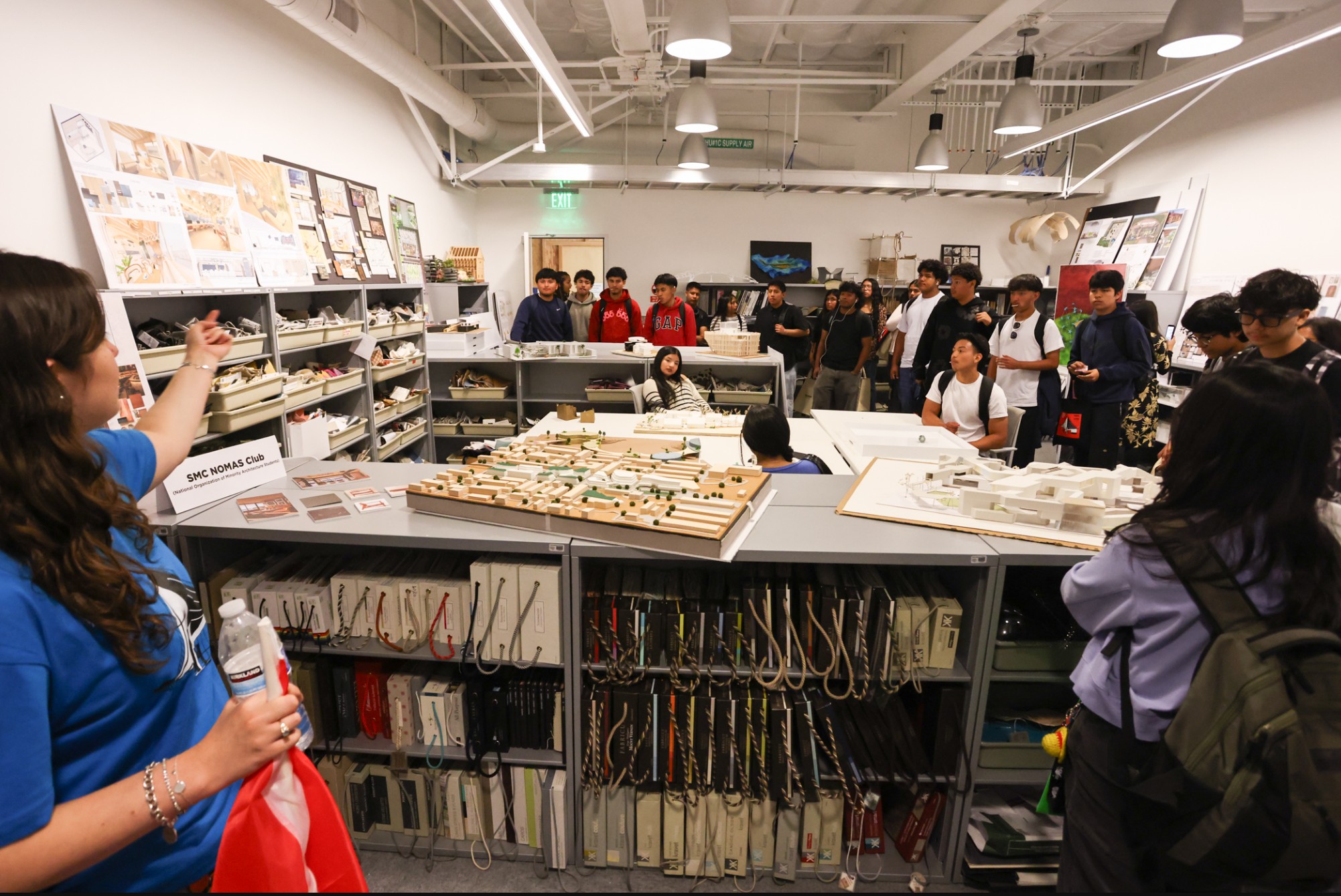
NOMA High School Boot Camp
FEBRUARY 21
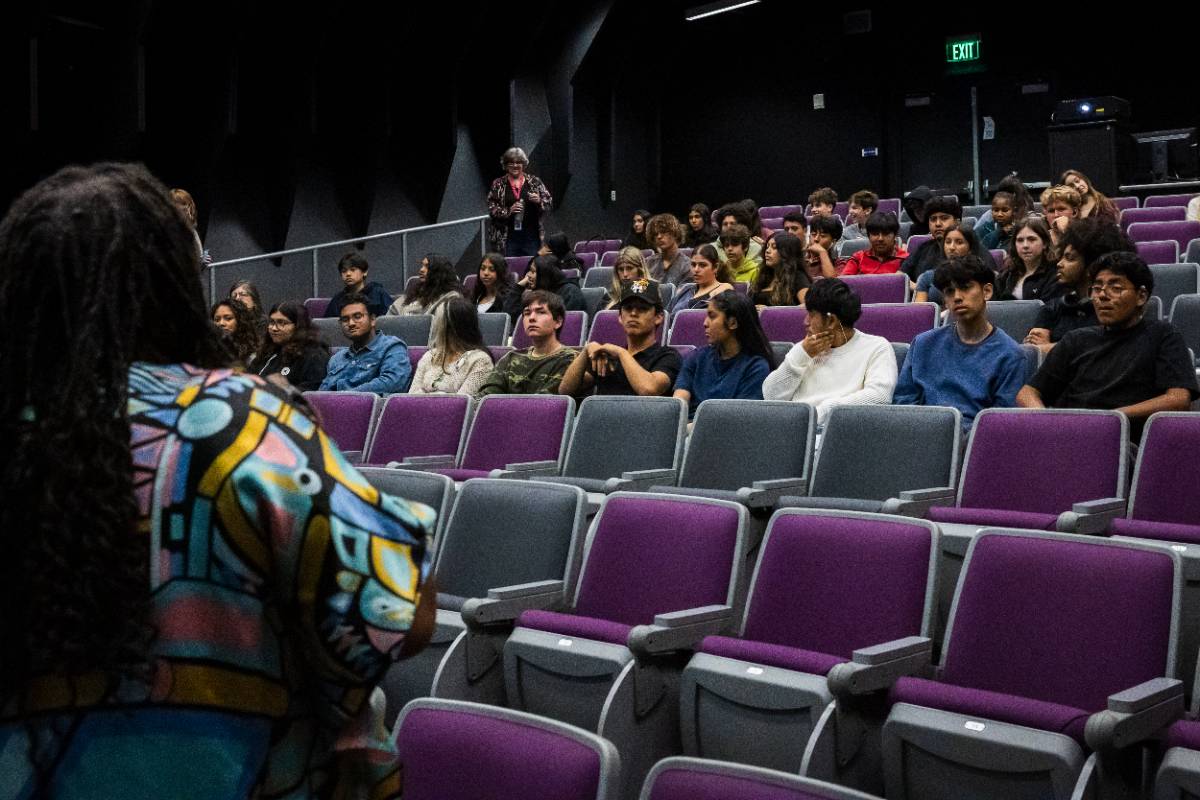
The Architecture Camp connected high school students with Santa Monica College mentors
through a semester-long design program focused on rebuilding fire-affected communities
in Altadena. Participants developed proposals for a new elementary school while SMC
student mentors provided guidance, feedback, and support throughout the design process.
NOMA High School Boot Camp
1/17
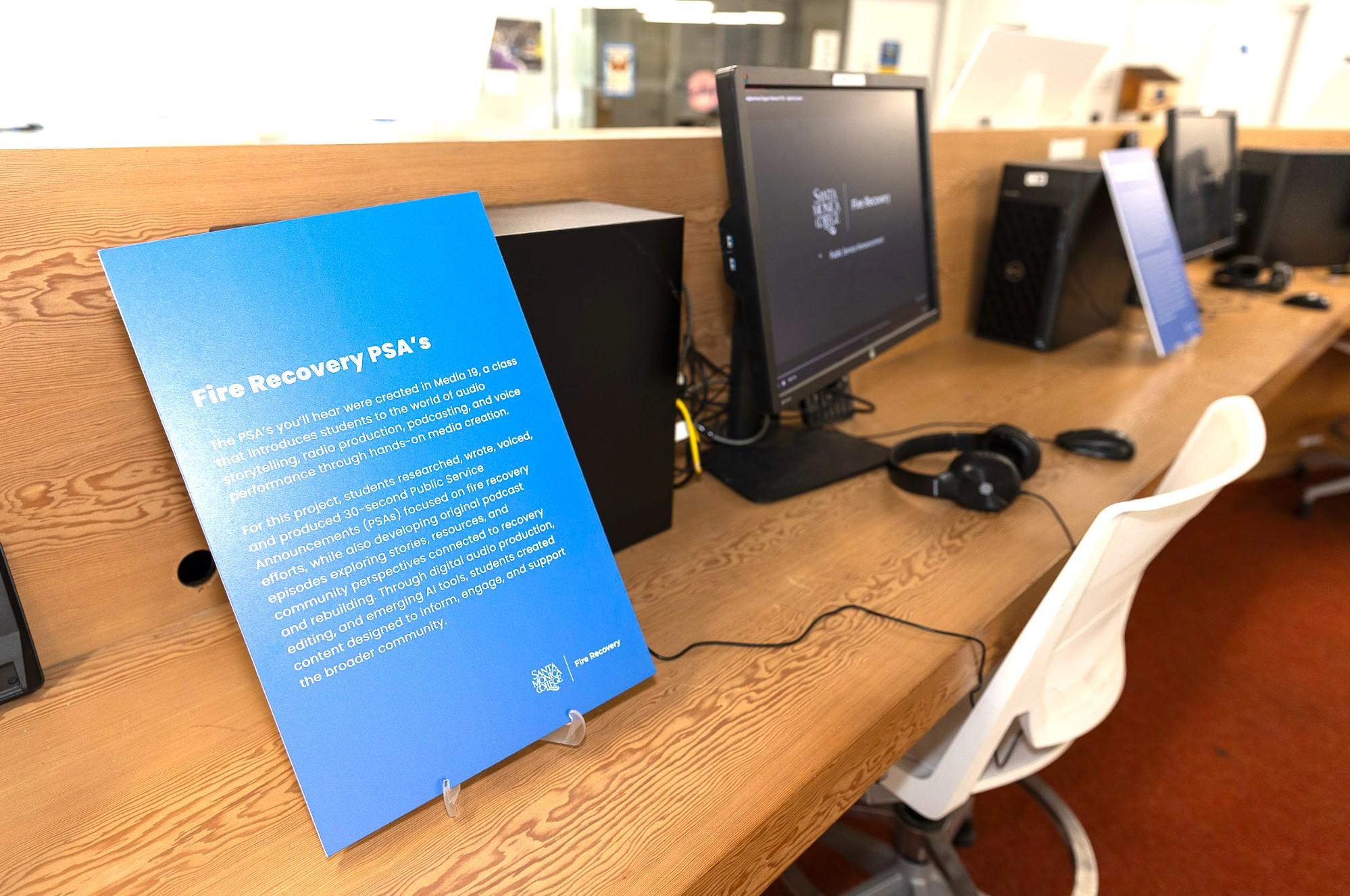
Public Service Announcements (PSAs)
MARCH 27
Students created this by researching, voicing, editing a Public Service Announcement
(PSA) with information pertinent to victims of the Palisades and Altadena fires. Information
in the PSA’s includes: process of rebuilding their house, difficulty with insurance
companies and how to deal with the situation, affordable housing options and various
other resources to rebuild.
Video
Public Service Announcements (PSAs)
1/3
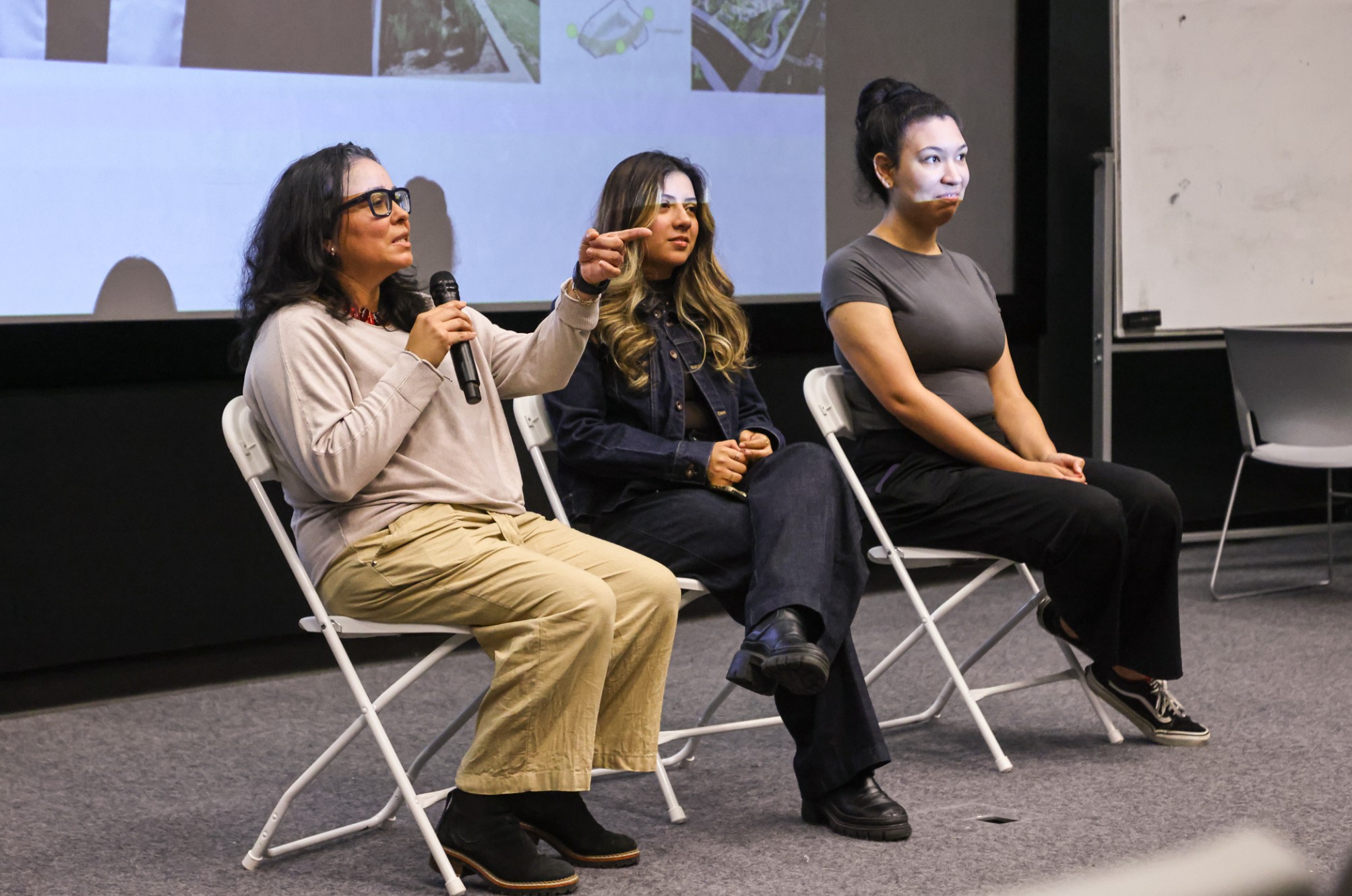
Design Leadership Event
APRIL 1
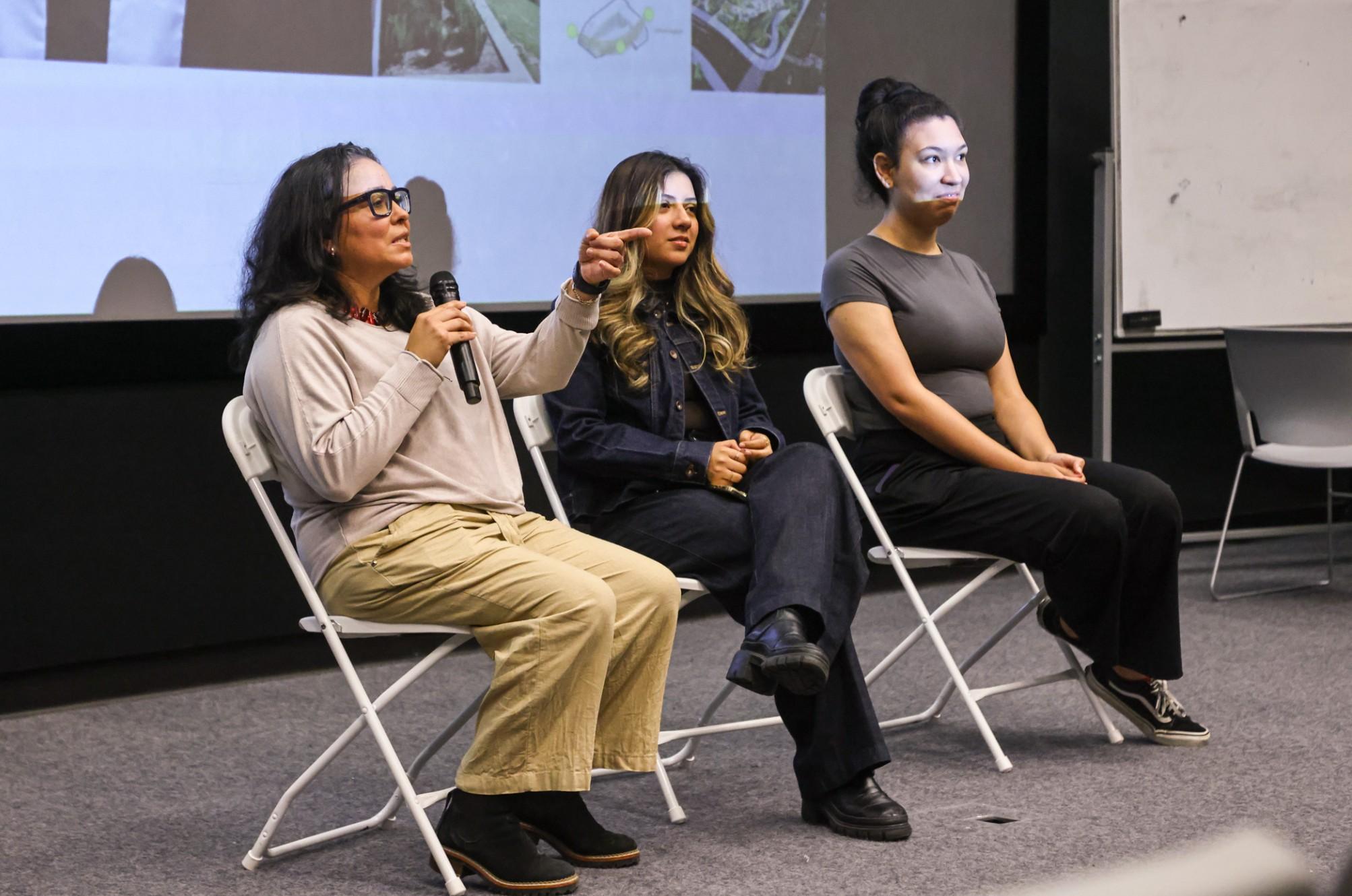
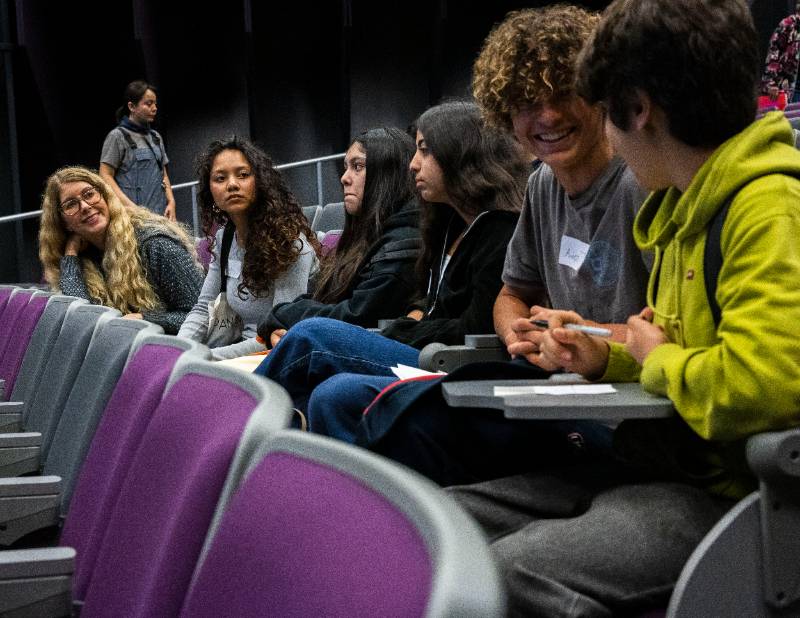
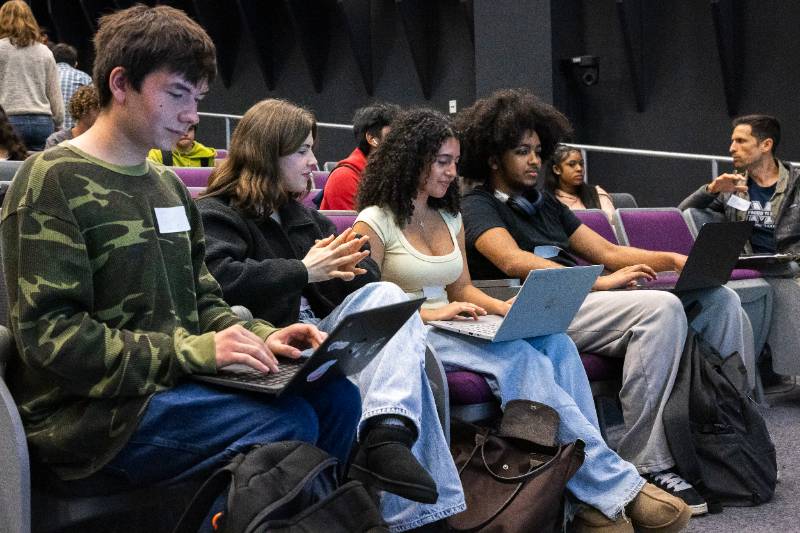
This industry panel brought together architecture and interior architecture professionals
to discuss the long-term impacts of the Southern California wildfires on design, rebuilding,
and community recovery. Panelists shared insights on evolving permitting processes,
future design considerations, and strategies for supporting clients throughout the
rebuilding journey.
Design Leadership Event
1/5
SMC + HS Collab: After the Fires
APRIL 10
This SMC + HS Collaborative brought together students from Pacific Palisades Charter
and Venice High Schools for a one-day media production experience at Santa Monica
College’s Center for Media and Design (CMD). Working in mixed-school “Creator Squads,”
students produced mini-documentaries, podcasts, and public service announcements centered
on themes of community, support, resilience, and moving forward. Using a shared “Story
Bank” model, students contributed audio, video, photography, and written reflections
prior to the event, which were then developed into collaborative media projects during
an intensive production workshop.
Journalism student worker photojournalists documented the event.
SMC + HS Collab: After the Fires
1/10
UGC — Business 28
APRIL 17
Students collaborated with the Santa Monica College Fire Recovery Program to create
user-generated content documenting the impact, aftermath, and resilience of communities
affected by the January 2025 Palisades and Altadena fires.
Through interviews with students, families, faculty, business owners, and community
leaders, the project produced digital stories and media assets designed for the Fire
Recovery website and social media platforms, including TikTok, Instagram, YouTube,
X, and blogs.
UGC — Business 28
1/3
Rebirth from the Ashes
APRIL 24
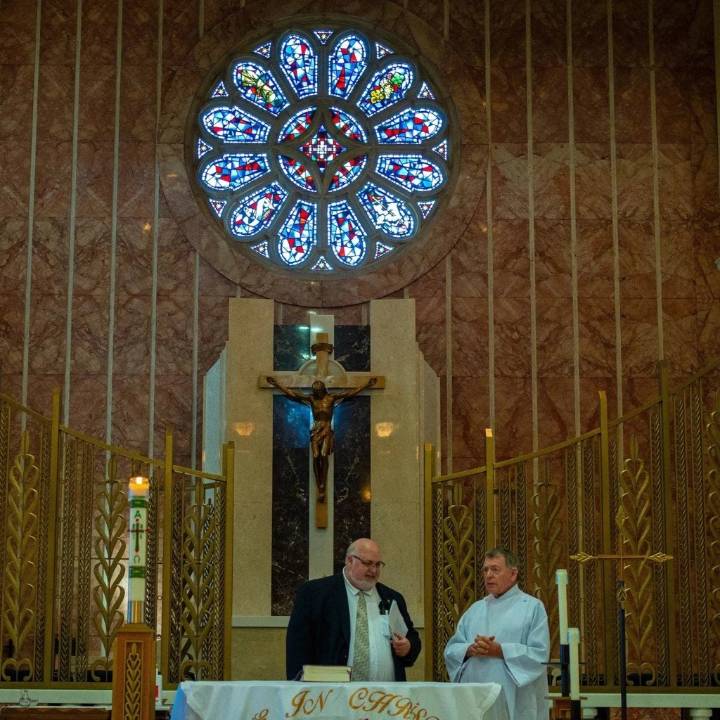
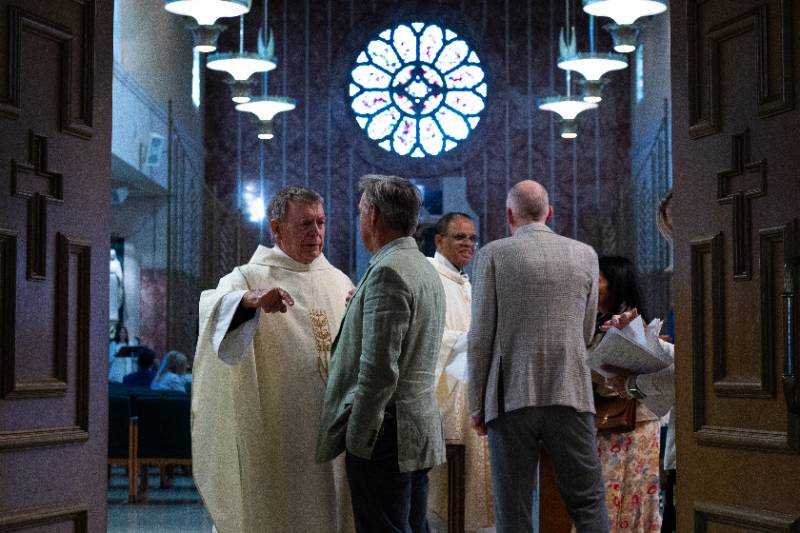
Dozens of people gathered for early morning Mass on Easter Sunday at St. Joseph’s
Chapel in Brentwood, Los Angeles. The pews were full, but most in attendance were
not members of the congregation. They were parishioners from the Corpus Christi Catholic
Church, which burned down during the Palisades Fire in 2025. Monsignor Liam Kidney,
Corpus Christi’s main priest for 27 years, led Mass inside the borrowed chapel where
the displaced congregation has gathered for the last year. Although 80% to 90% of
the parish now lives scattered throughout Southern California since the fire, many
of its members still drive several hours every week to maintain their relationship
with the parish, according to Kidney. Lorraine Hartman, Corpus Christi Parish Office
Manager and Santa Monica College alumna, evacuated her office during the Palisades
Fire. She graduated from SMC in 1979 with an associate's degree in accounting shortly
before the birth of her first daughter.Read the full story on The Corsair →
Rebirth from the Ashes
1/1
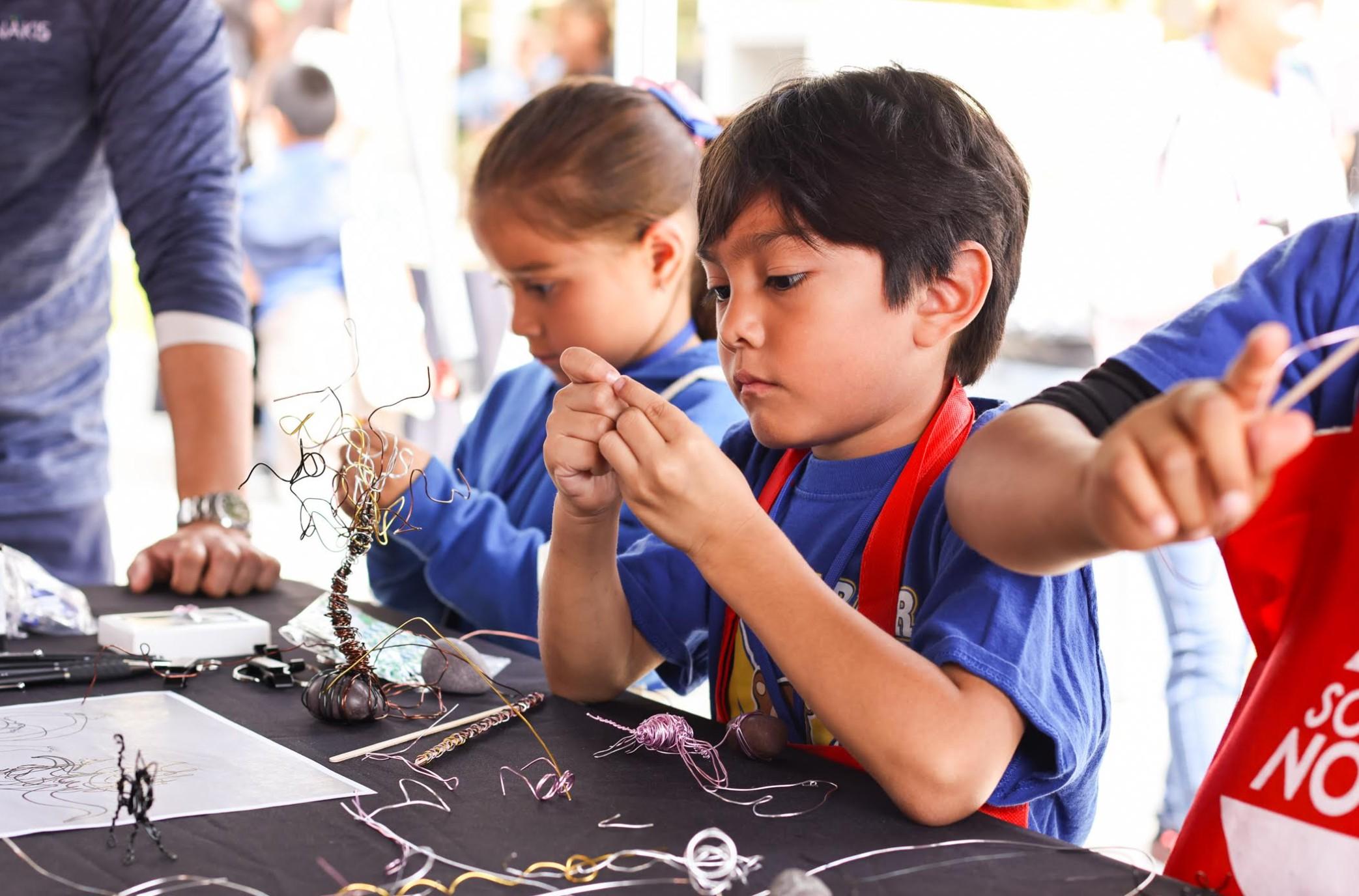
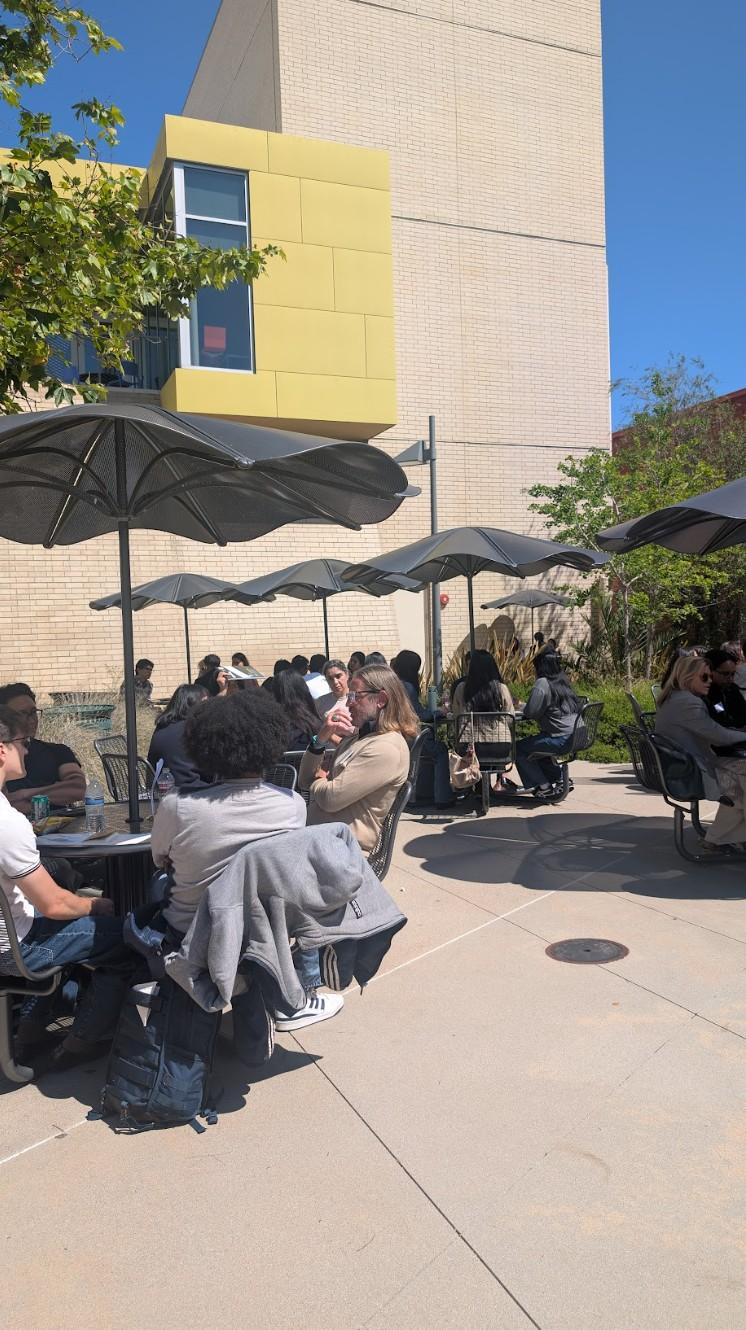
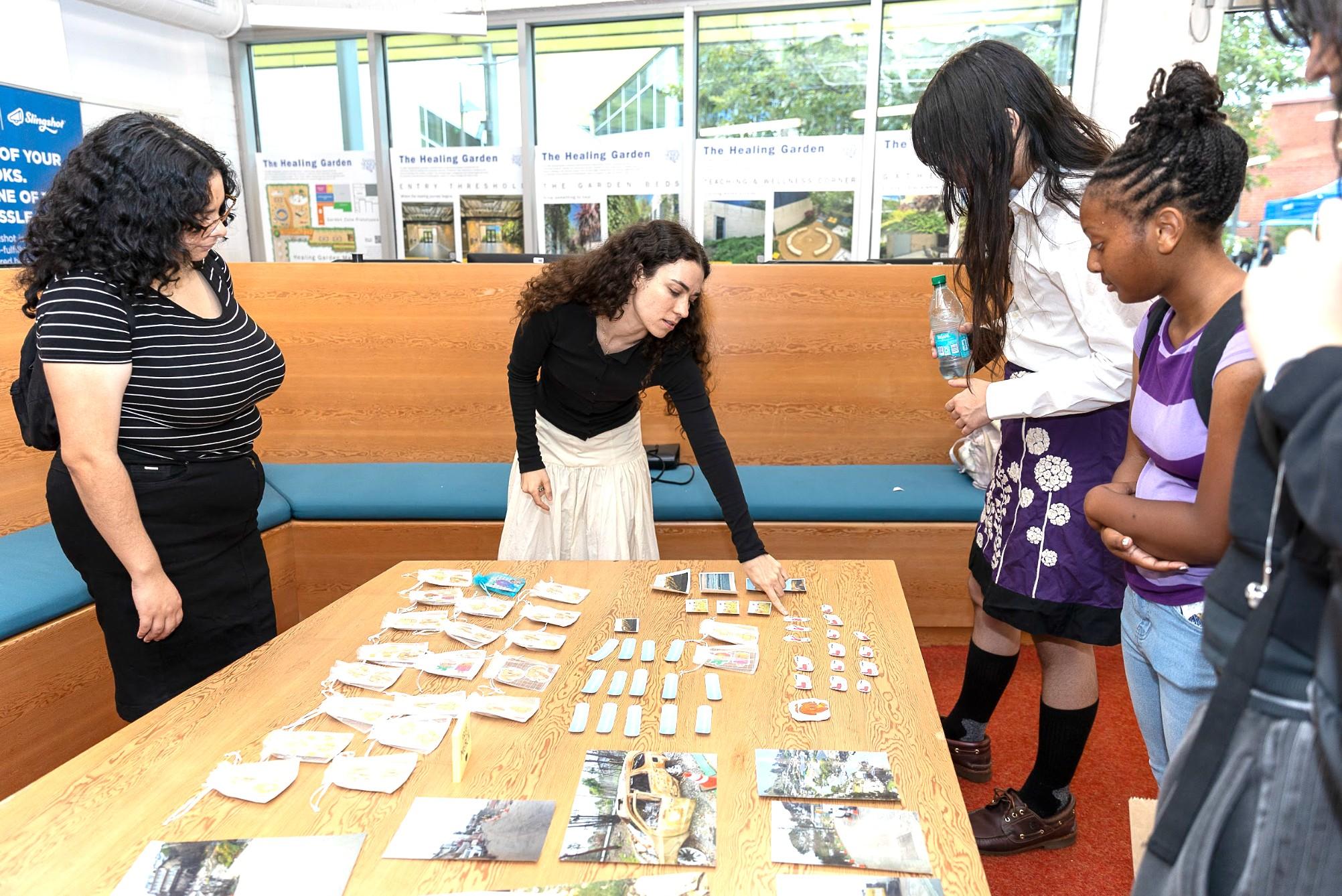
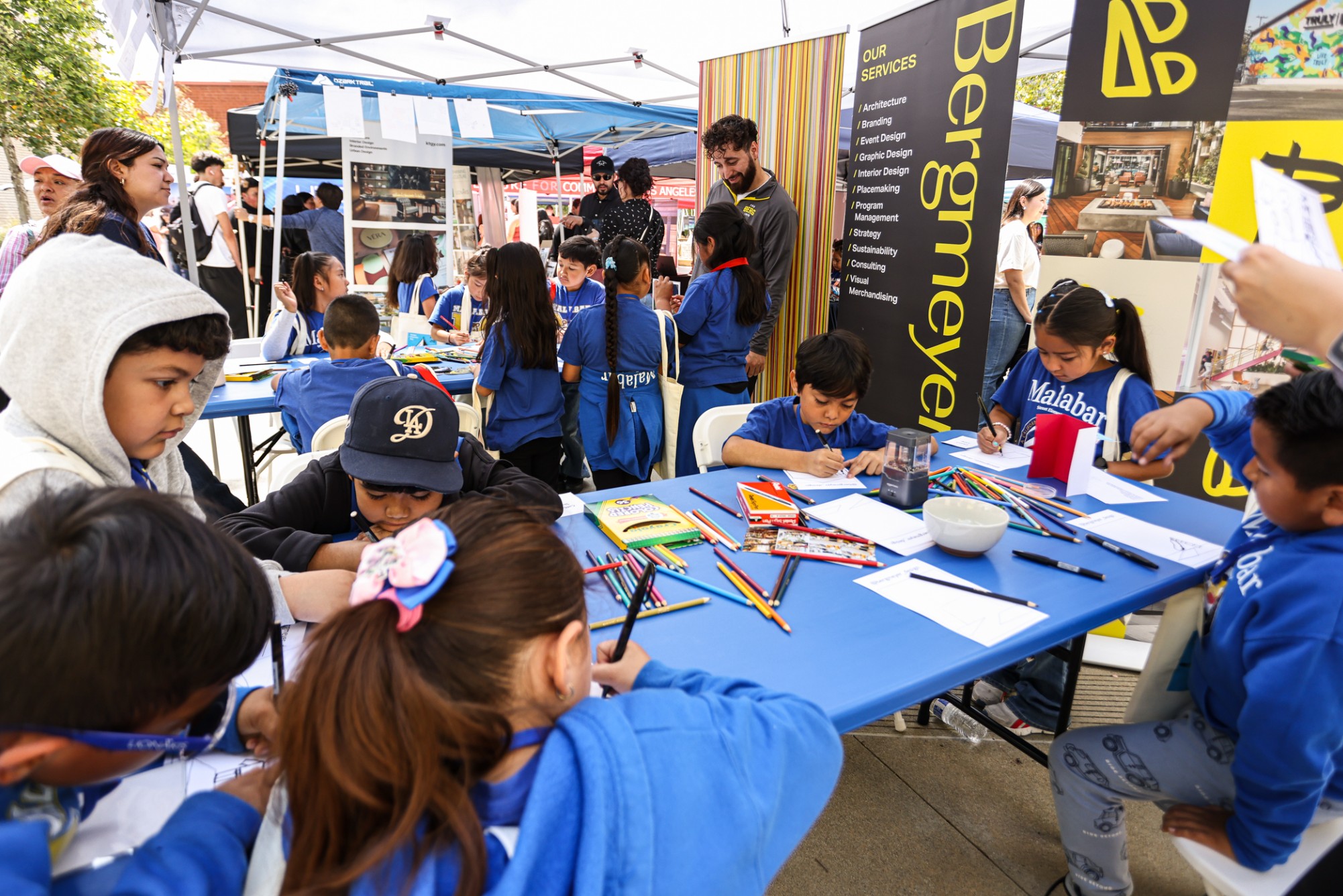
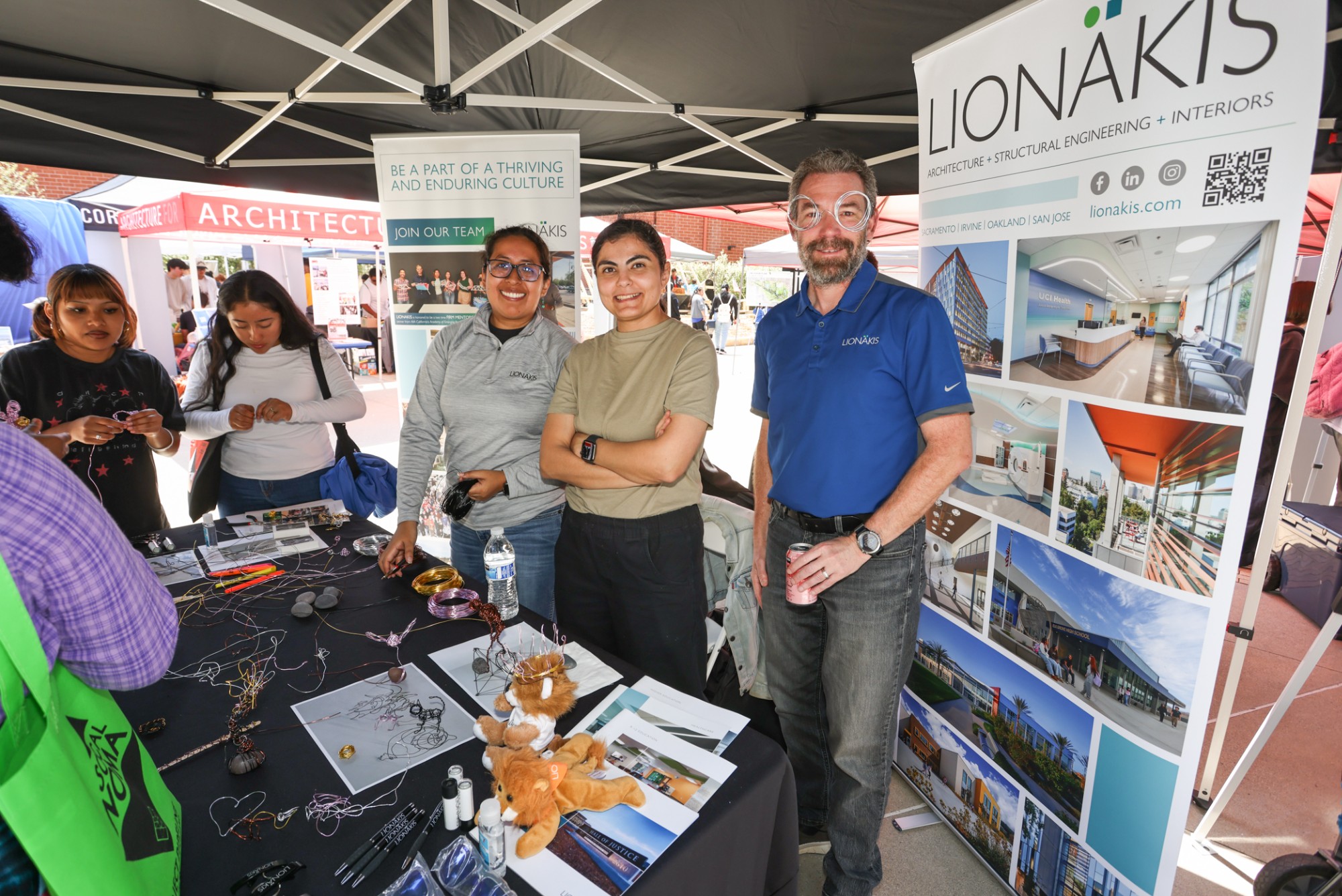
Design by Diversity Day (DxD)
MAY 1
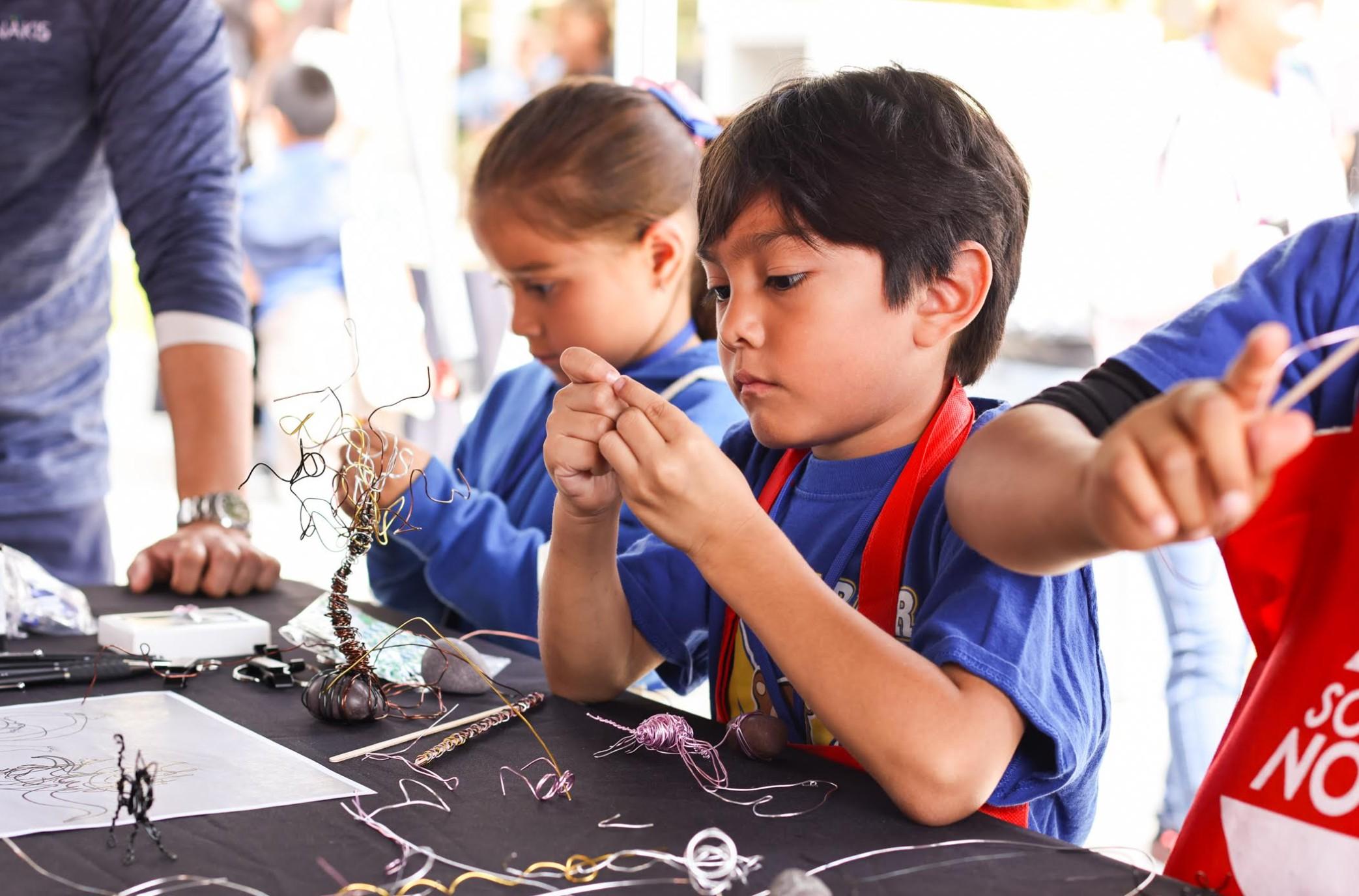
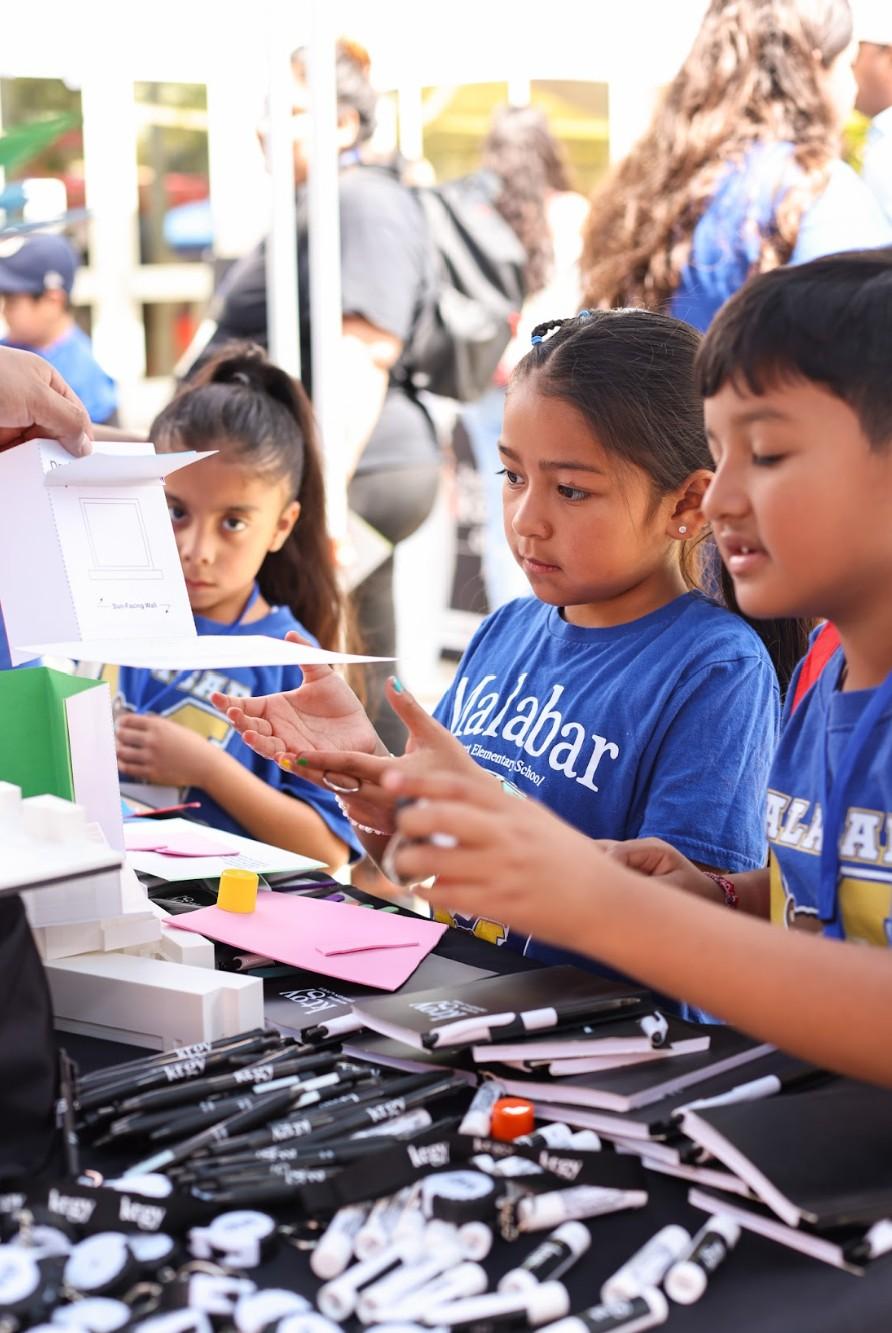
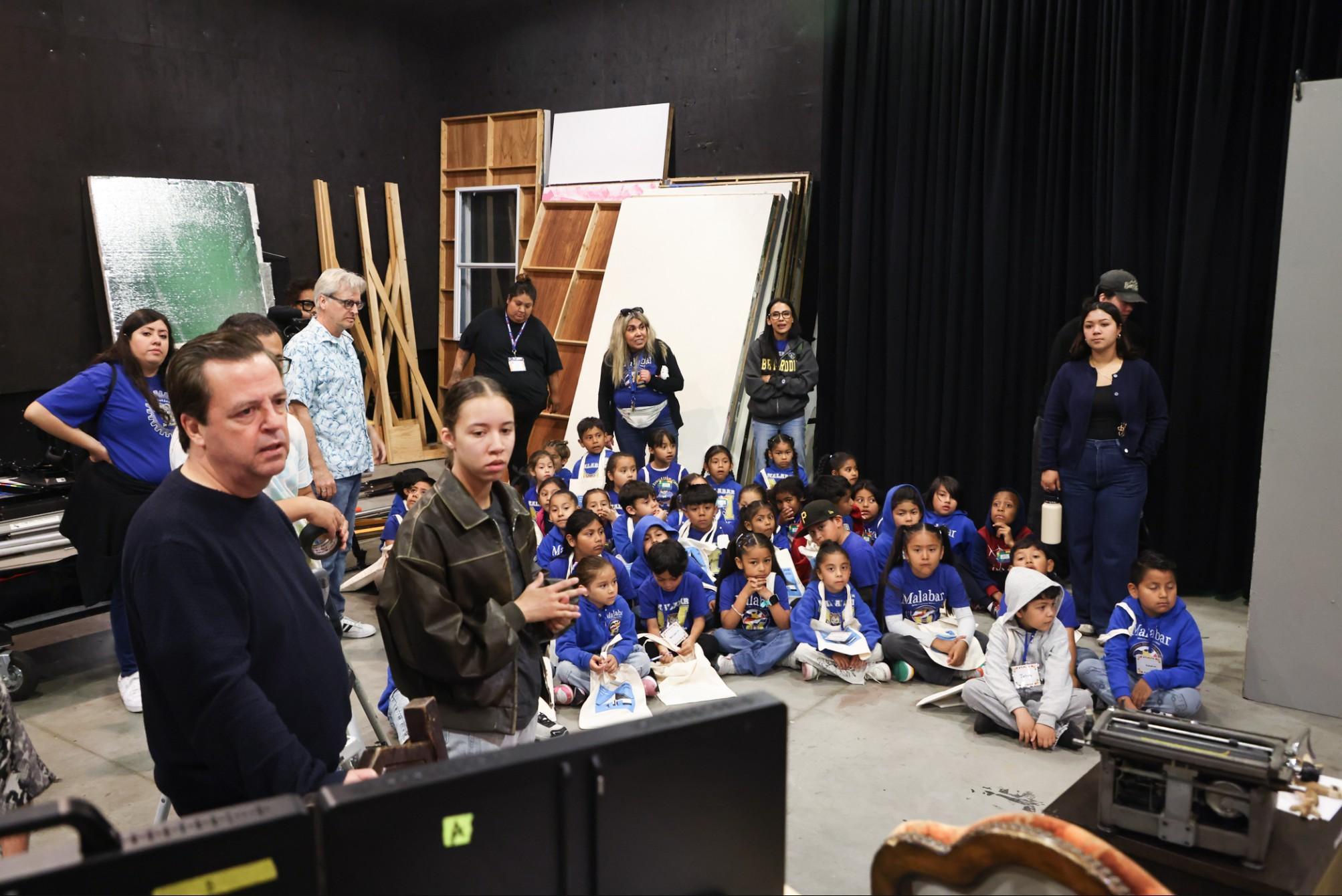
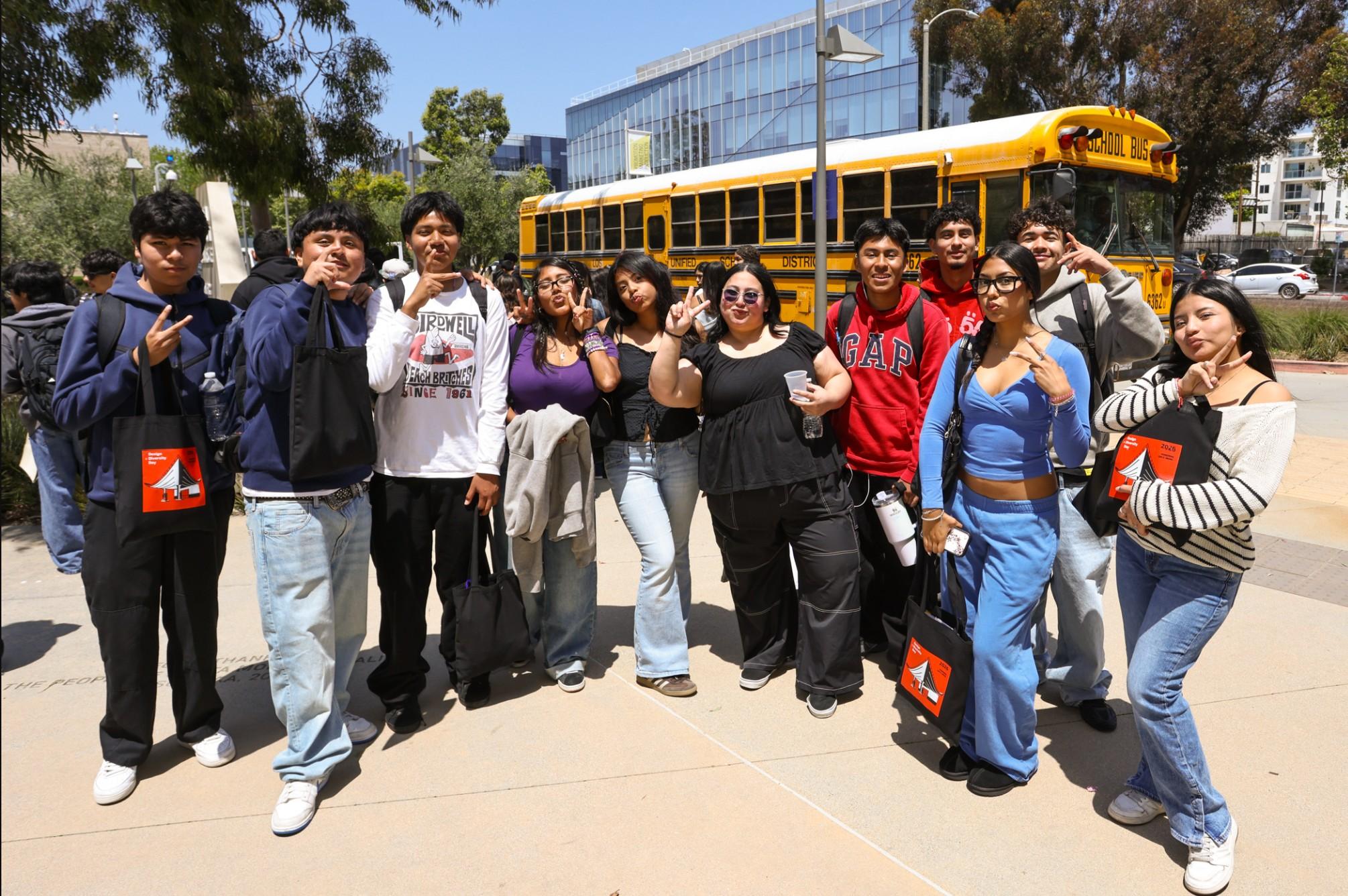
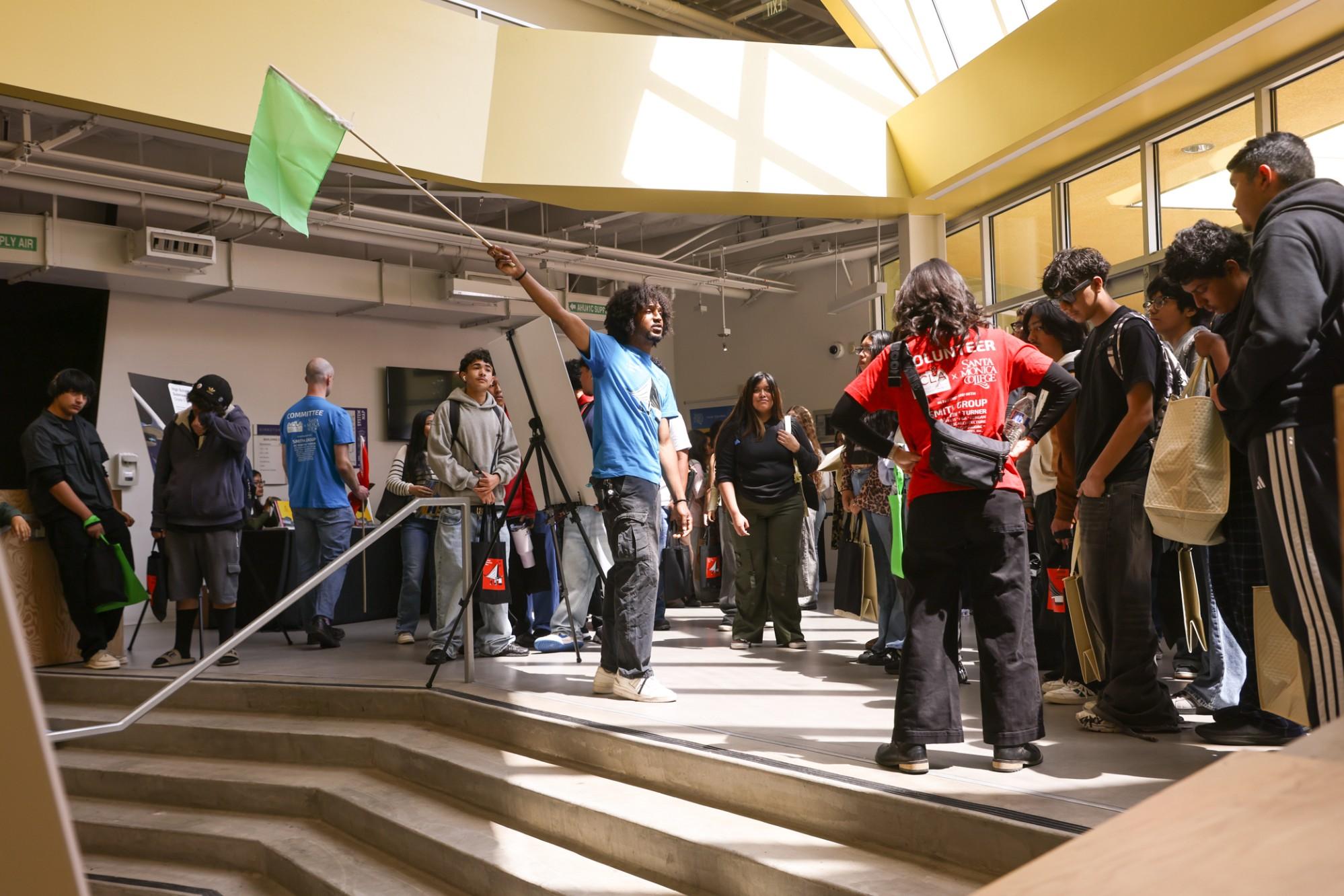
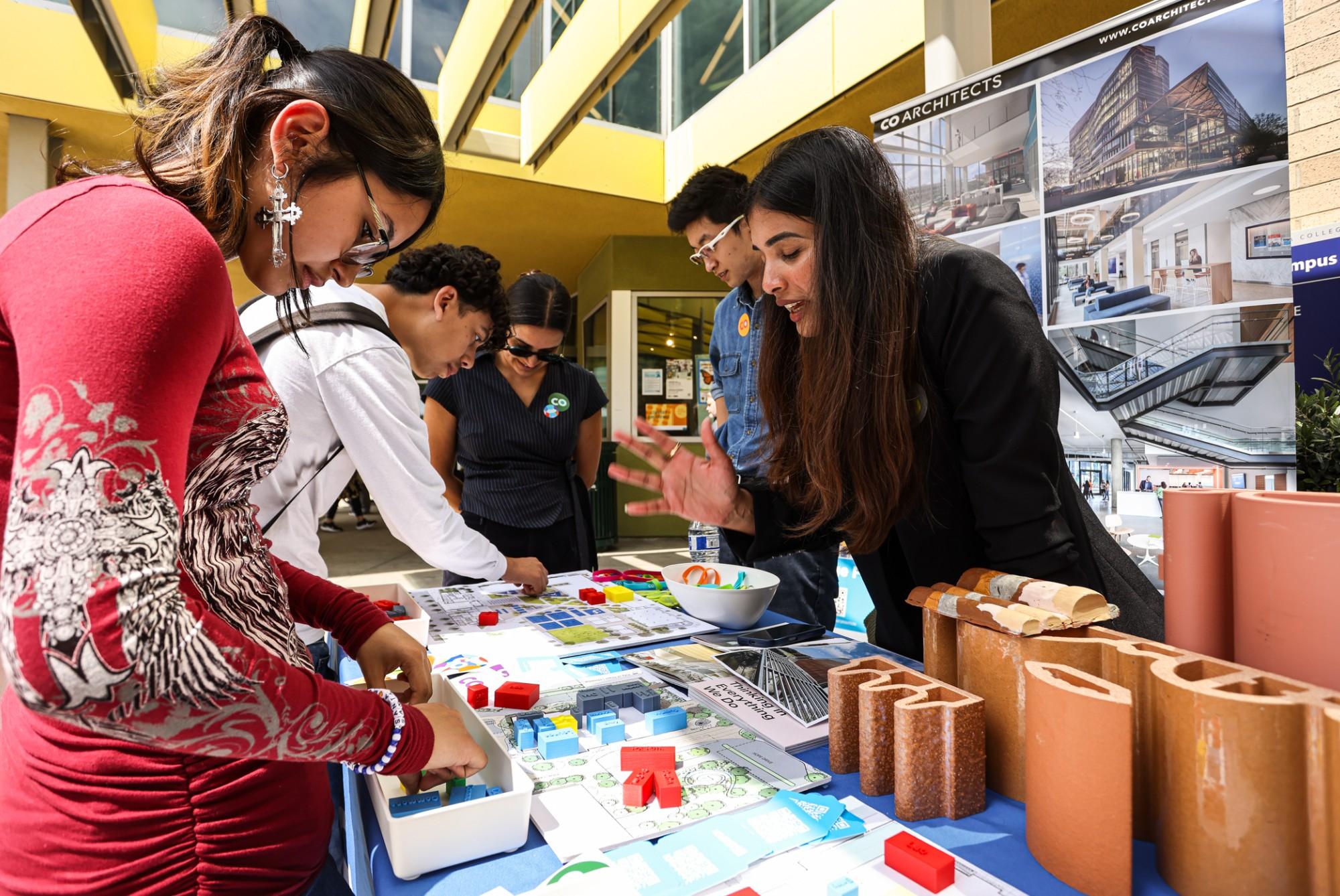
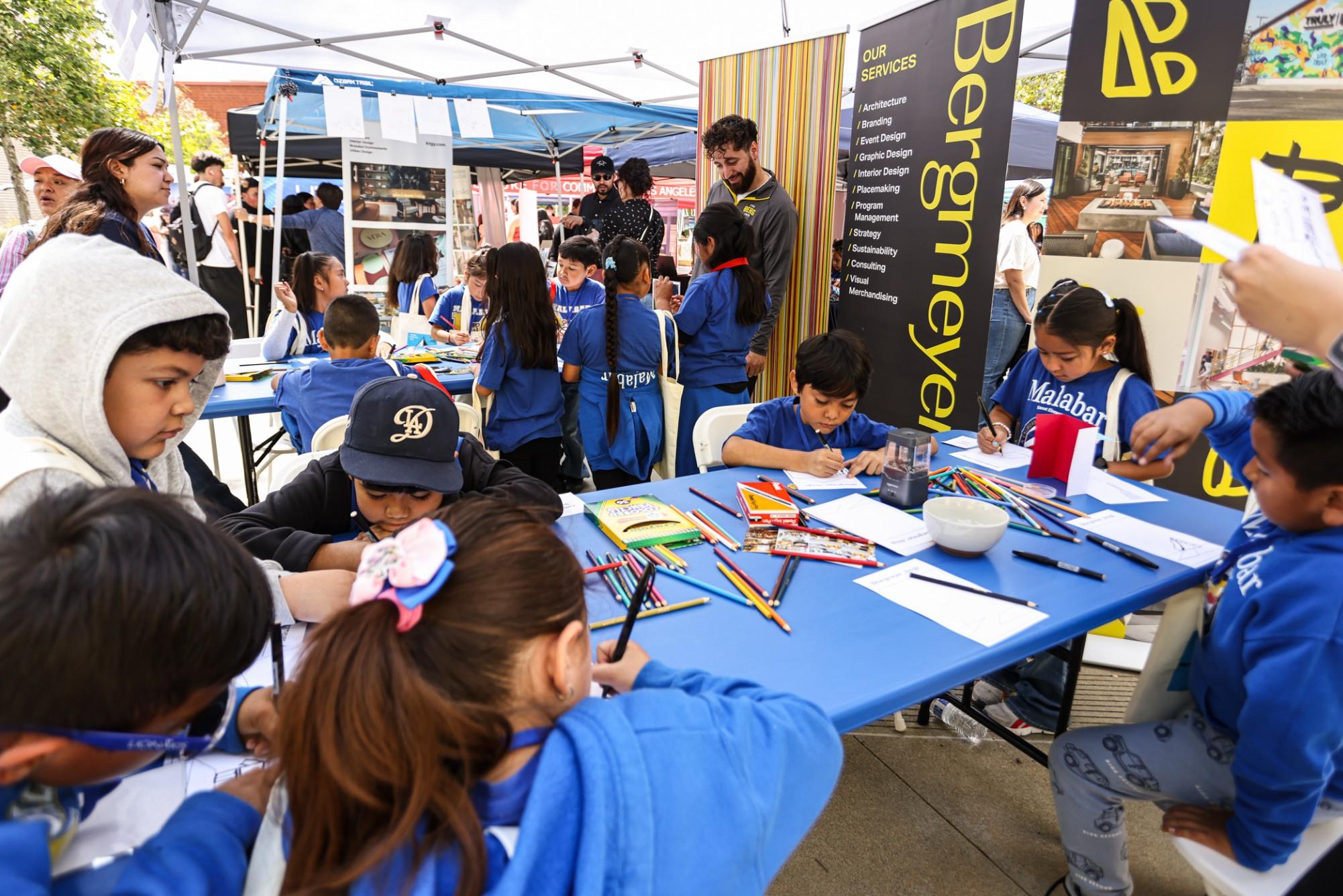
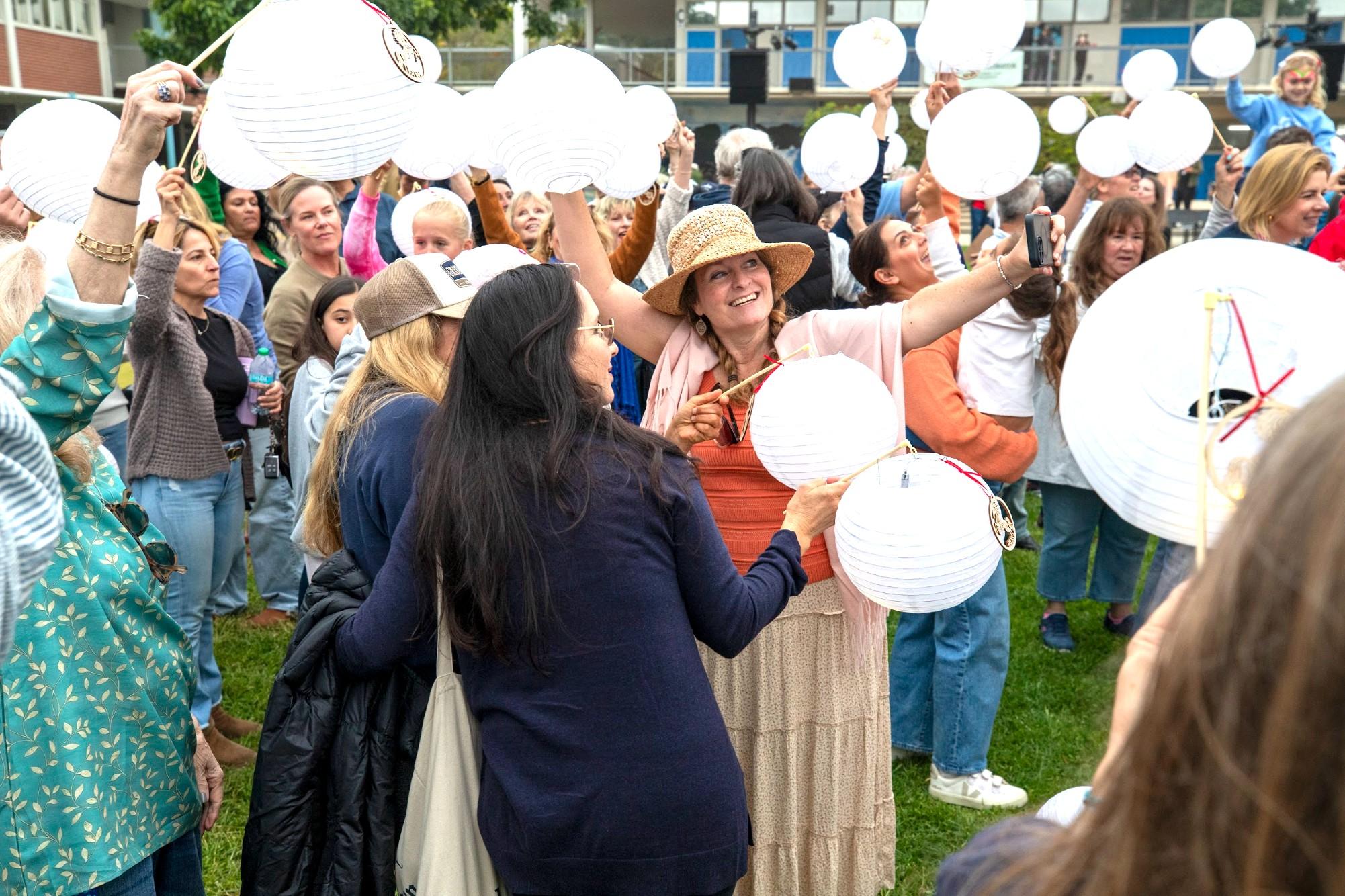
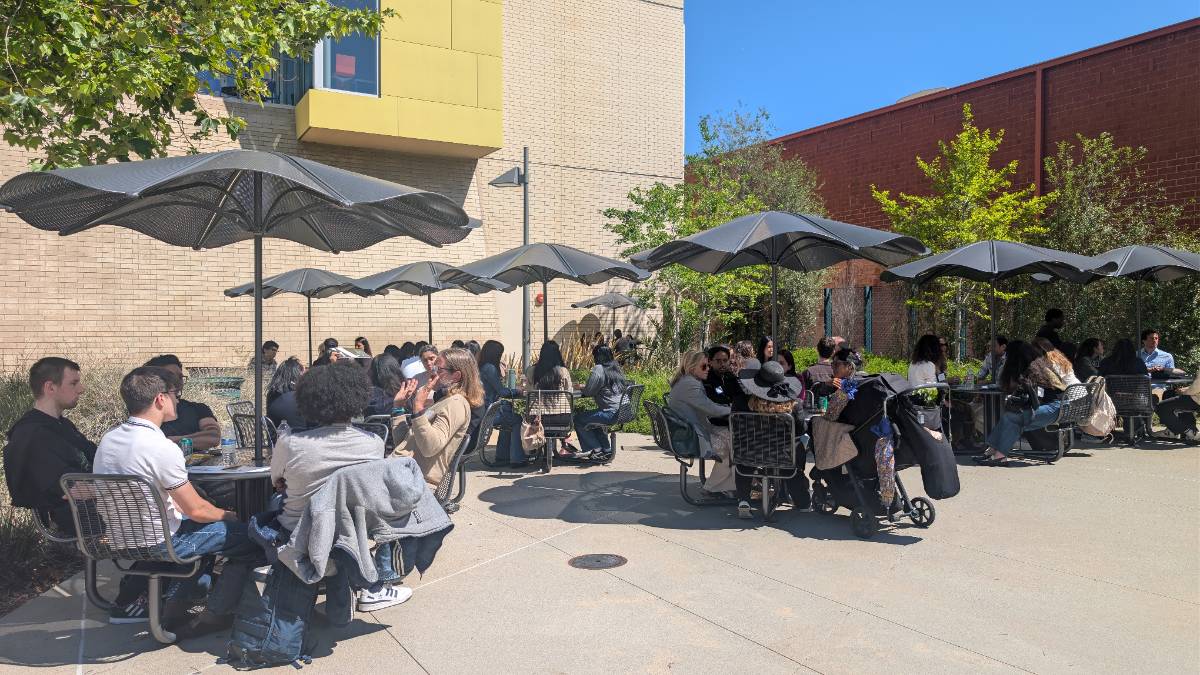
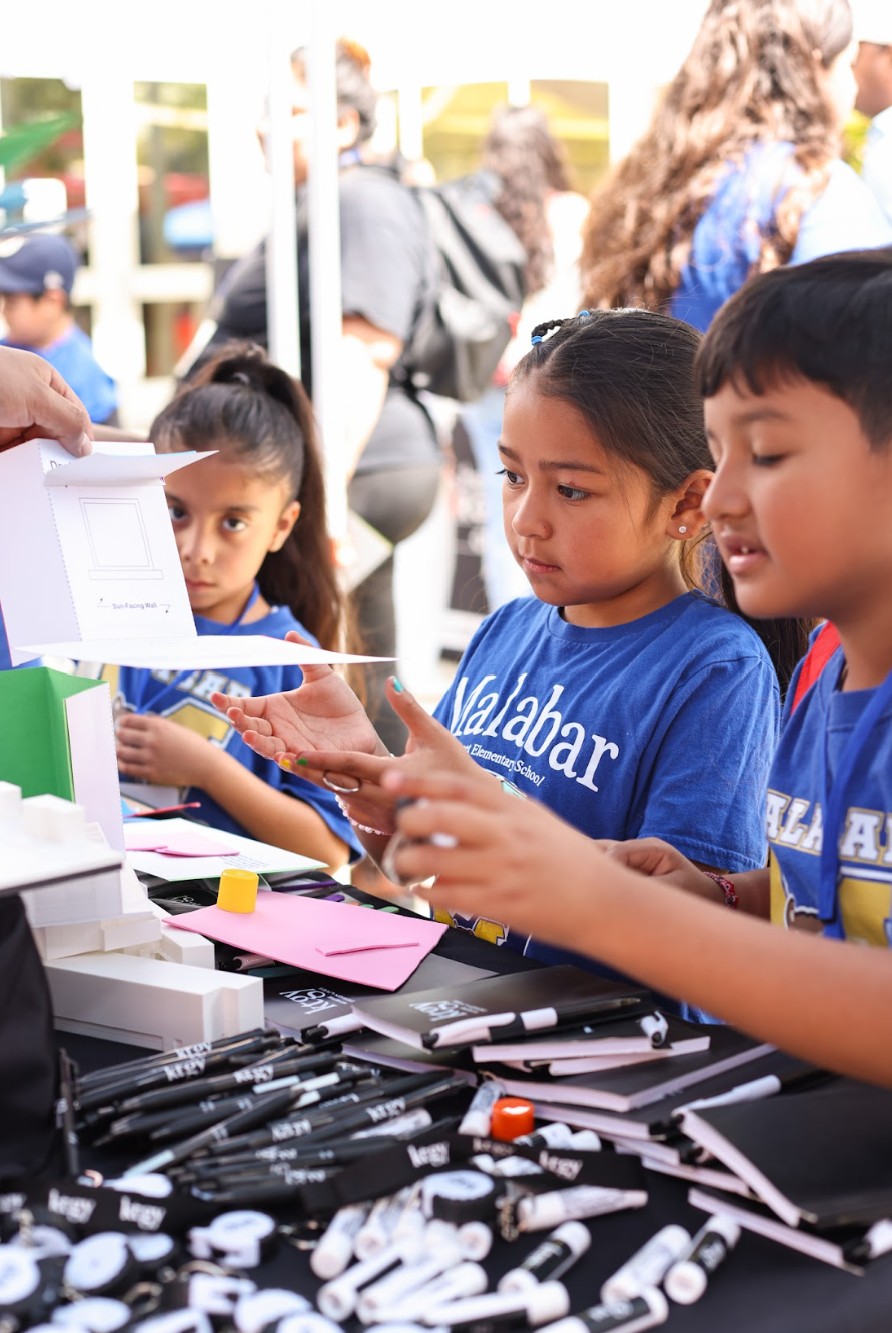
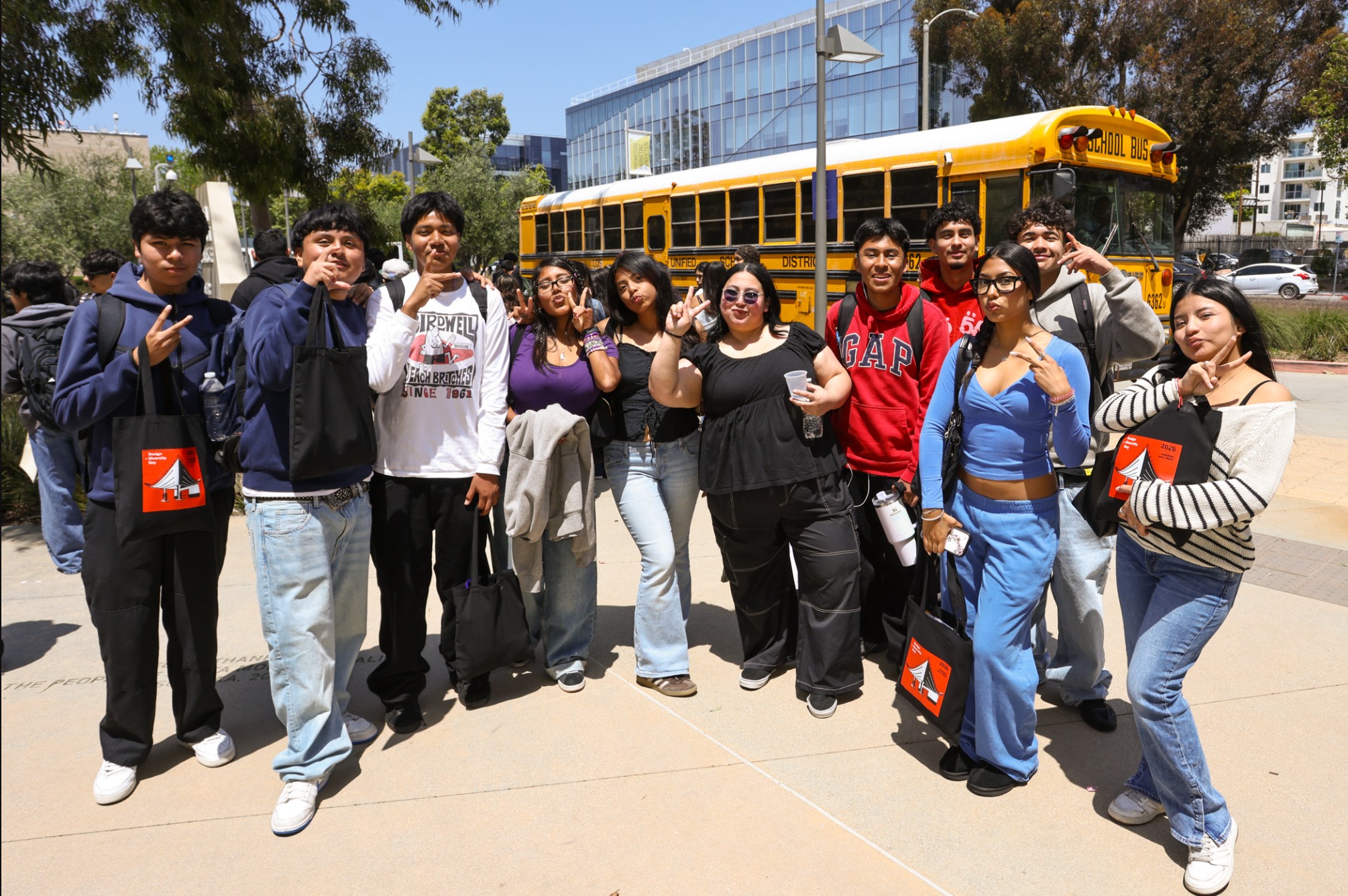
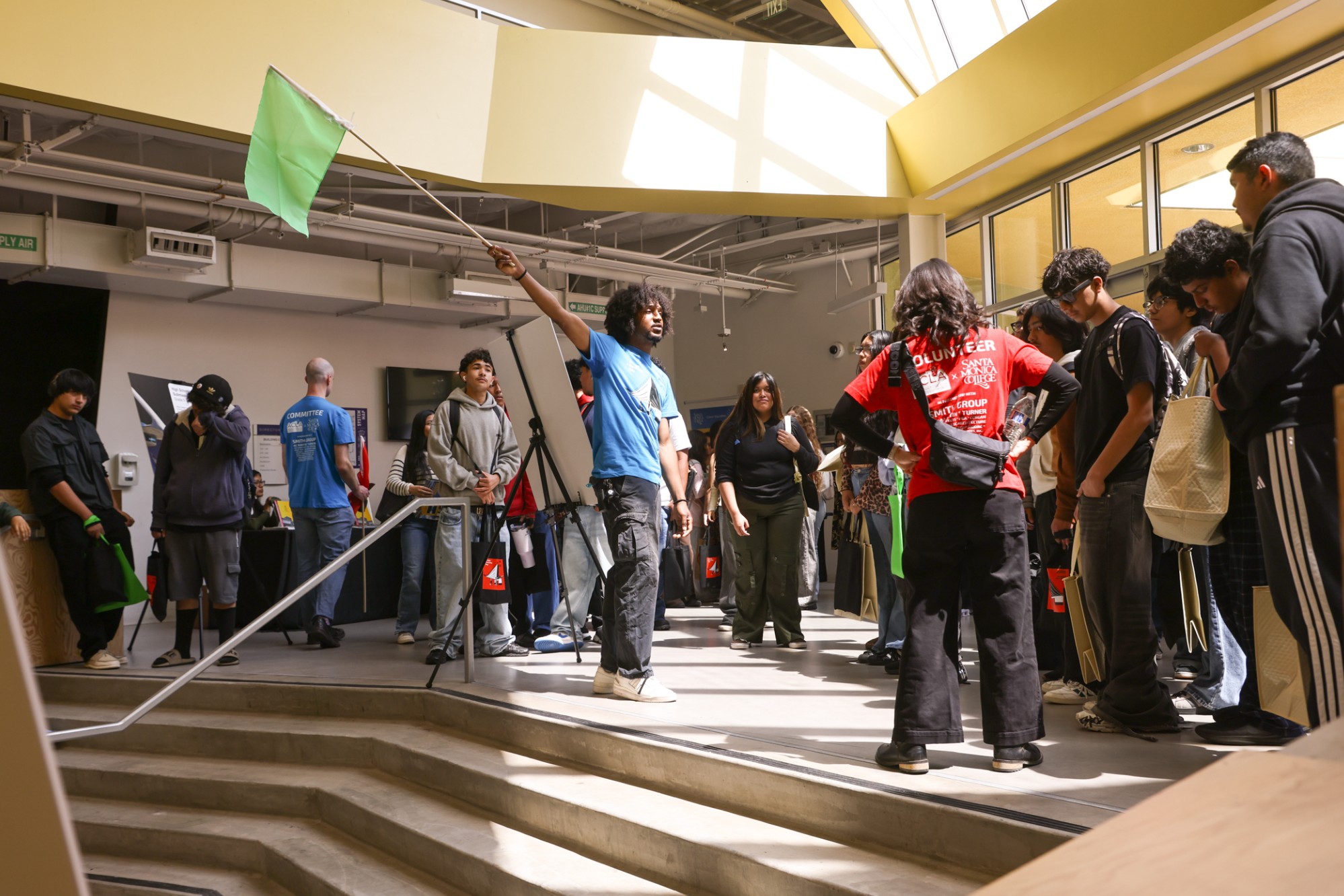
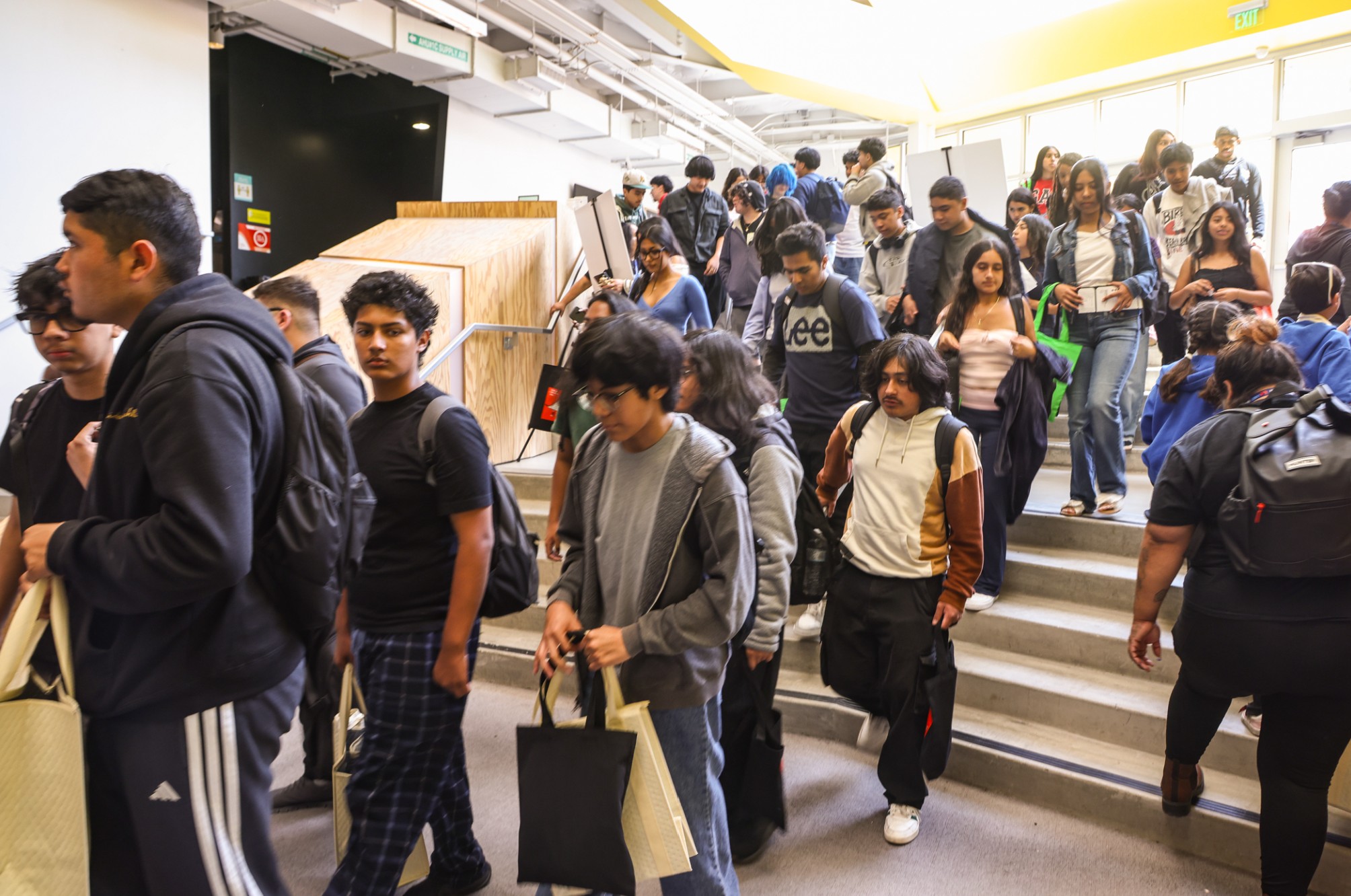
The Design by Diversity Day was a free community event for all elementary, middle,
and high school students, families, educators, professionals, and community members
interested in celebrating creativity, innovation, and inspiration at the intersection
of architecture, design, engineering, and construction. Organized by Architecture
for Communities Los Angeles (ACLA), the event brought together hundreds of students,
families, educators, professionals, and community members for a day filled with hands-on
activities, information booths hosted by local firms, colleges, and community organizations,
mentoring sessions, keynote speakers, and free food.
Design by Diversity Day (DxD)
1/17
Fire Recovery Podcast
MAY 22
Created by students who researched, voiced, edited a Podcast show with information
pertinent to victims of the Palisades and Altadena fires. Information in the Podcast
with various conversations that include victims of the fires and their process of
rebuilding their house, difficulty with insurance companies and how to deal with the
situation, and affordable housing options.
Fire Recovery Podcast
1/1
UGC — Journalism 43 / Business 29
MAY 29
Students collaborated with the Santa Monica College Fire Recovery Program to create
user-generated content documenting the impact, aftermath, and resilience of communities
affected by the January 2025 Palisades and Altadena fires.
Through interviews with students, families, faculty, business owners, and community
leaders, the project produced digital stories and media assets designed for the Fire
Recovery website and social media platforms, including TikTok, Instagram, YouTube,
X, and blogs.
UGC — Journalism 43 / Business 29
1/2
Geography Club: Rebuild & Sustainability
JUNE 10
Instagram Video: Corsair News reporters Nathan Hanson and Patrick Conlon attended
the weekly Geography Club meeting on Tuesday, May 19, at SMC to ask students their
thoughts on the lasting impact of the 2025 Palisades Fires and the sustainability
of rebuilding in fire-prone areas.
They met with the Geography Professors Jing Liu and Pete Morris to get an in-depth
analysis of the fires and the rebuilding efforts currently underway.
Geography Club: Rebuild & Sustainability
1/1
After the Fires: Recovery & Resilience
JUNE 11
Short-form videos from the After the Fire interview series — student-produced stories
capturing the people, places, and moments of the recovery.
After the Fires: Recovery & Resilience
1/1
Free Non-Credit ESL Courses at SMC
JUNE 14
Out-of-work day laborers affected by the Los Angeles wildfires of 2025 can enroll
in a noncredit English as a second language course at Santa Monica College to improve
their resumes. “It’s completely free. Your biggest investment is your time,” said
Luis Jauregui, a project manager at the college. While day laborers have priority
enrollment, the course is open to anyone over the age of 18 without F-1 visa restrictions.
Classes will be held at SMC’s Malibu Campus starting June 22 through July 31 on Tuesdays
and Thursdays, from 1:30 to 4:30 p.m., the college’s website states. Read the full story on The Corsair →
Continuing coverage and campus reactions to the mistrial of the accused arsonist in
the Palisades Fire. Read on The Corsair →
Mistrial Declared in Palisades Arson Case
1/1
Summer 2026
NOMA Boot Camp — Summer Session
JULY 20–24
This free summer program continued its focus on the fire rebuild process, using the
5-step design process to introduce students to architecture, interior design, and
construction — with NOMA debuting new designs for the destroyed Altadena school at
SMC, covered by The Corsair.
NOMA Boot Camp — Summer Session
1/1
Campus Reacts to Palisades Arson Mistrial
JULY 22
Ongoing reporting on campus reactions, vox populi, and law and criminal justice perspectives
on campus. Criminal justice teachers were interviewed, and the story was edited with
editors for publication. Read on The Corsair →
Campus Reacts to Palisades Arson Mistrial
1/1
NOMA Debuts New Designs for Destroyed Altadena School at SMC
AUGUST 5
Around 30 high school students from across Southern California showcased their plans
to rebuild the Odyssey Charter School at SMC’s Center for Media and Design, in SoCal
NOMA’s annual architecture boot camp focused on rebuilding Altadena after the 2025
fires. Read on The Corsair →
NOMA Debuts New Designs for Destroyed Altadena School at SMC
1/1
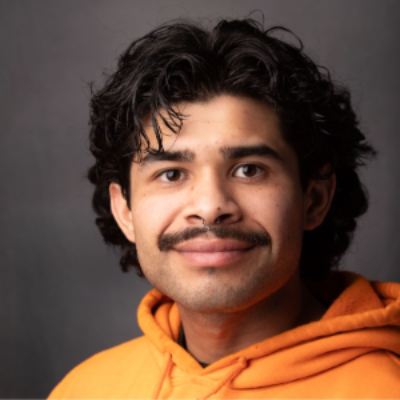
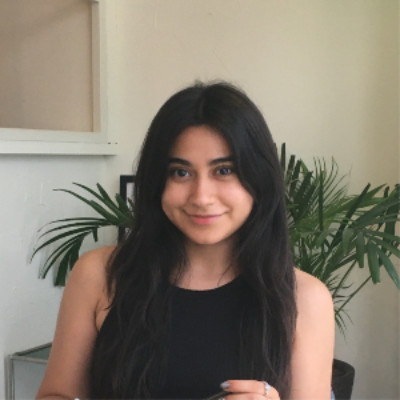
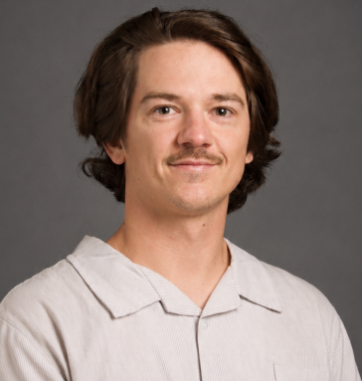
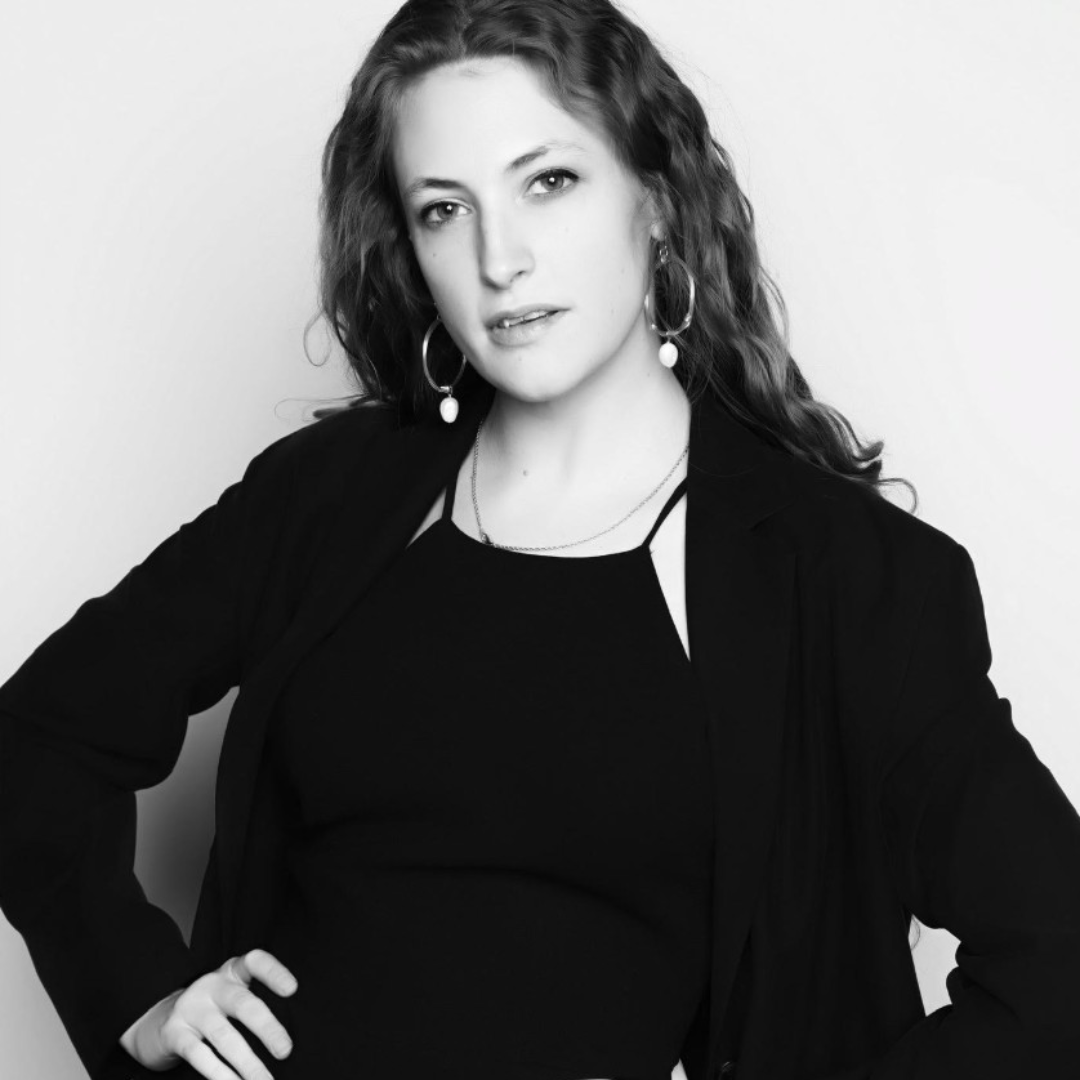
Meet the Team
Stakeholders & Faculty
Steven Sedky
Associate Dean, Career Education (Interim)
Fall / Summer
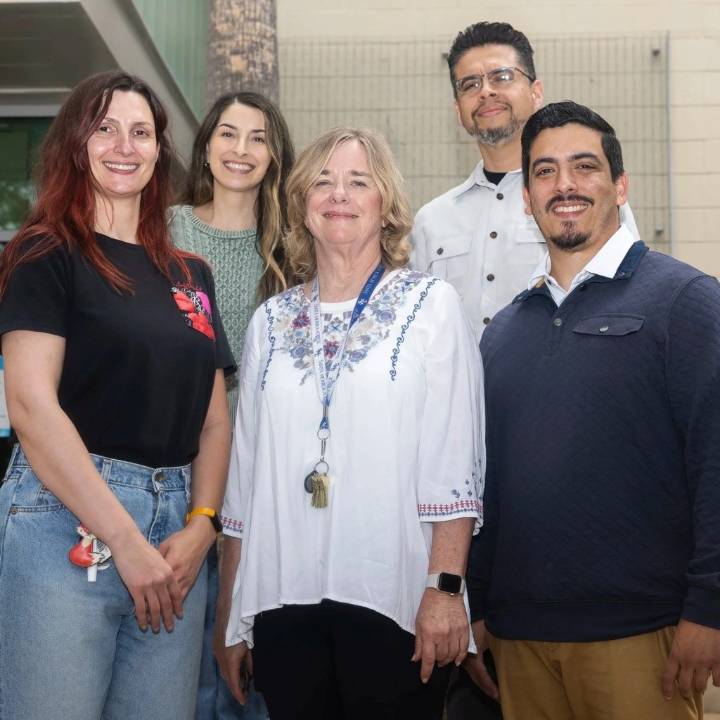
Ruth Casillas
Director, Business Development - Workforce & Economic Development