


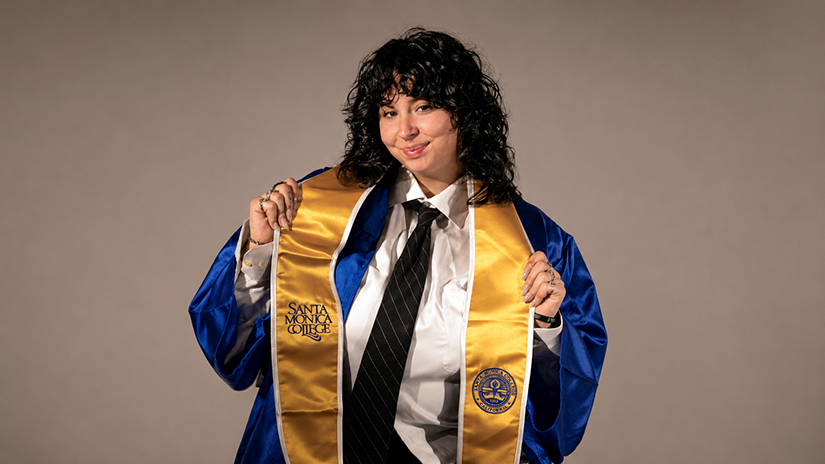
Madeline's grad portrait taken by her brother

Elementary school winner of the "Teacher for a Day" contest
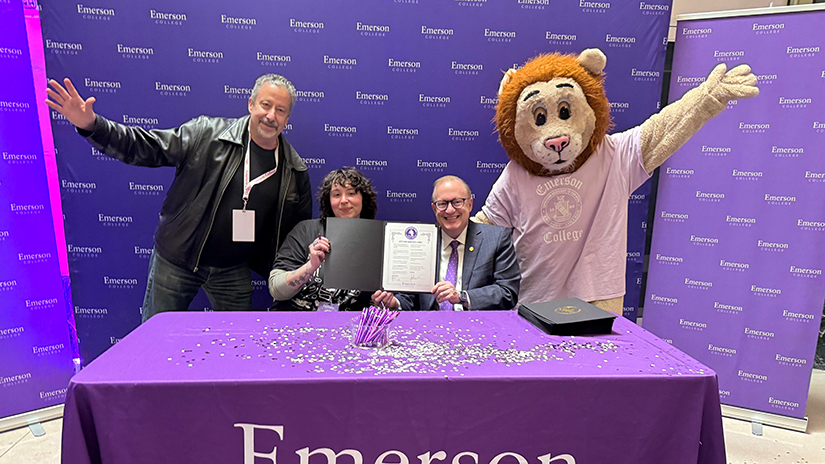
Signing ceremony at Emerson College with her dad and the Emerson dean
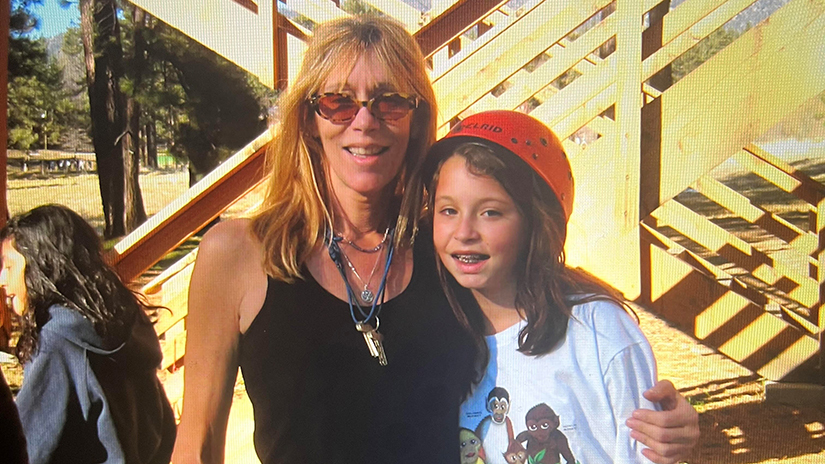
Madeline with her mom, a regular volunteer for elementary school activities

At an Anti-ICE protest in downtown LA
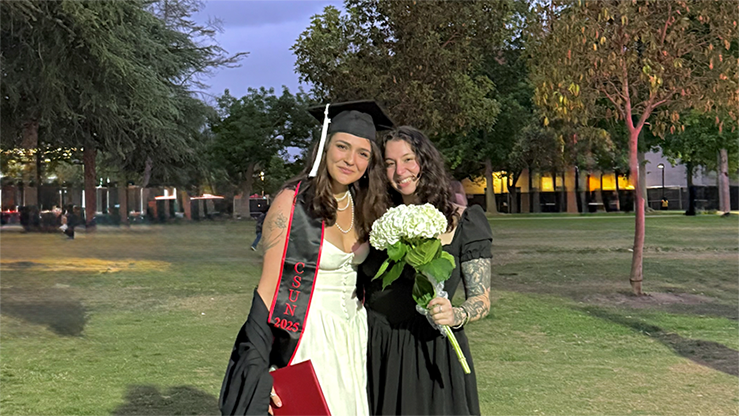
Madeline at her best friend's graduation from CSUN

On a hike in Yosemite National Park

Madeline with friends at San Francisco's Pride Parade

Madeline Davis hated school before Santa Monica College helped remove the self-imposed restraints holding her back. After facing family tragedy as a teen, struggling with addiction and dropping out of high school, she thought she was too “dumb” for academics. But then SMC professors opened up a love of learning and paths to success she never knew existed.
Along the way, she earned a 4.0 grade point average and was selected as student speaker for SMC’s 96th commencement ceremony.
“It’s been a long journey,” Madeline reflects, “as well as a fresh start.”
Turning Point
Losing her mother to cancer at age 14, right before middle school graduation, led Madeline into a downward spiral of drugs, grief and depression. She dropped out at age 16 and was too scared to go back.
“I never really tried,” she admits about high school, “because if I tried and failed, that would mean I am a failure.”
Instead, she focused on surviving. Newly sober, she entered the workforce and quickly discovered strengths that traditional classrooms had never revealed. She worked at stores including Zara, Lush and Bloomingdale’s, earning a promotion to manager at just 18.
“I’ve always been a people person,” Madeline explains, “and I love organizing things.” At the time though, she didn’t realize how such traits can translate to success.
Then she tried another path.
Starting Over
Just before COVID-19 struck, Madeline decided to give education another try by taking a course at SMC. But just one week into the semester, one of her closest friends died from an overdose.
Overwhelmed by grief, she withdrew from the class. “It was really, really hard,” she says. “I kind of isolated from everyone.”
Eventually, therapy helped her heal. During the pandemic, she also earned her high school equivalency. She even discovered a talent for hairstyling and enrolled in cosmetology school. She loved the creativity of the profession and threw herself into learning the craft, often staying extra hours so she could graduate faster. Her personal and organizational skills were bolstered by a drive to succeed.
Unfortunately, chronic health conditions, including scoliosis, accident-related injuries and a pinched nerve made any job that required constant standing increasingly unsustainable. After long days in the salon, she often found herself in tears. Physical therapists confirmed her fears.
As she cast about for options, a friend suggested returning to college.
Considering the possibility—and her physical limitations—Madeline jokingly asked, “Does PE exist in college?”
Inspired by Educators
Madeline returned to SMC, where one of her first assignments in English 1 examined the difference between a growth mindset—the concept that skills can be developed—and a fixed mindset, the belief that they can’t.
The lesson transformed her outlook. For years, Madeline had believed intelligence was something people either possessed or lacked. She had spent much of her life convinced she belonged in the second category — that is, until her professor shared his own story. Like Madeline, he had struggled in school and been told that he was not smart. Now he was a college professor.
“I thought, if he can do it, so can I,” she says. And she started applying herself more than ever.
The results surprised even Madeline. “I’ve been able to maintain a 4.0 my whole time here at SMC,” she says.
Nor did the change stop with grades. “I’ve grown so much, not only academically but personally at this school,” she adds.
On Course
Madeline originally chose to major in marketing. But, despite SMC’s strengths in the field—and finding out she was good at it—the courses did not fill her with passion.
Then Madeline began taking communication courses, and her enthusiasm sparked. One communications studies professor in particular, Julie Chekroun, left a lasting impression. Rather than treating each class as a lecture, she created conversations, inviting students to share ideas and engage with each other.
“I used to be told it doesn’t matter what I think,” Madeline says. “To then have an authority figure care what I have to say, ask me what I thought, and have me share my opinions made me excited.”
An American Sign Language course reinforced that newfound zeal. As her confidence grew, classmates began turning to her for help, and instructors invited her to assist with classroom discussions and demonstrations.
That was when she realized she had found her calling: teaching. “I love helping, and I love inspiring people,” Madeline says.
She wanted to be like the educator who had changed her own life at SMC. “I want to inspire those who don’t believe in themselves.”
Giving Back
Now eight years sober, Madeline credits Alcoholics Anonymous, supportive friends and family, and the professors who believed in her for helping reshape her future. Also, she notes, “I wouldn’t be so good at public speaking if it wasn’t for AA.”
This fall, she will begin studies at Emerson College. “As soon as I got to that campus, it felt like home,” she says. Madeline felt drawn not only to the college’s communication programs but also to its sense of community. After spending years searching for places where she belonged, Emerson felt like a family—just as SMC did.
Exactly where her path leads after that remains uncertain. One thing, however, is clear. “I know all roads will eventually lead back to SMC,” she says.
“I want to give back what was given to me,” she says.
* * *
SMC in Focus Volume XII, Issue 3
Believing in Herself
At Santa Monica College, Madeline Davis transformed years of self-doubt into student success, a passion for teaching—and a future she once thought impossible. Read Article

Chasing Her Interior Dreams
This first-gen Corsair racked up interior design awards, earned straight A’s and pulled all-nighters in the studio — all while commuting, working part-time jobs, and helping out with the family cleaning business. Read Article
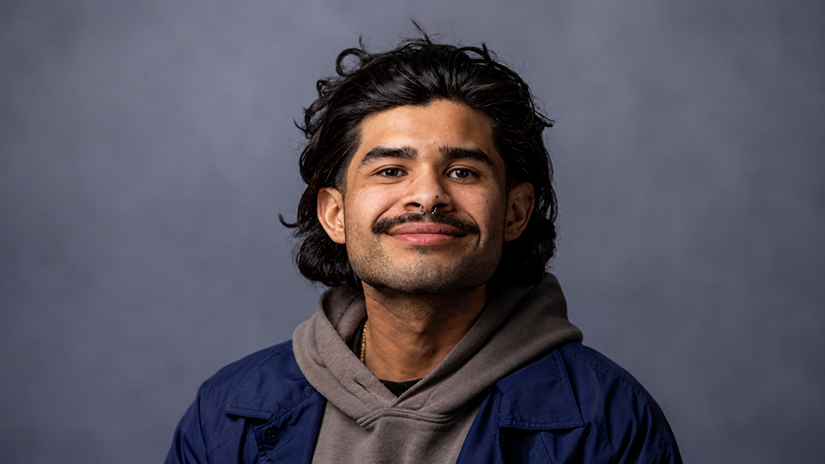
Bearing Witness
From Navy ships to city streets, Kayjel Mairena built a journalism career at SMC focused on documenting and serving communities in need. Read Article
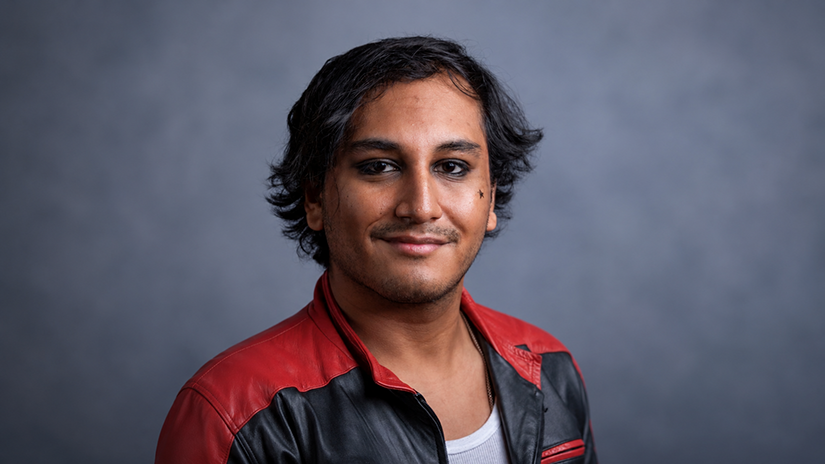
Writing a New Chapter
Coming to Santa Monica College for a fresh start, Jeffrey Berrios found community in his classes and confidence in writing for The Corsair. Read Article

Bragging Rights
An Art prof has a museum show. An SMC Fashion alum dresses a celebrity. The College gets a $250k grant to design equity-centered professional development. Read Article
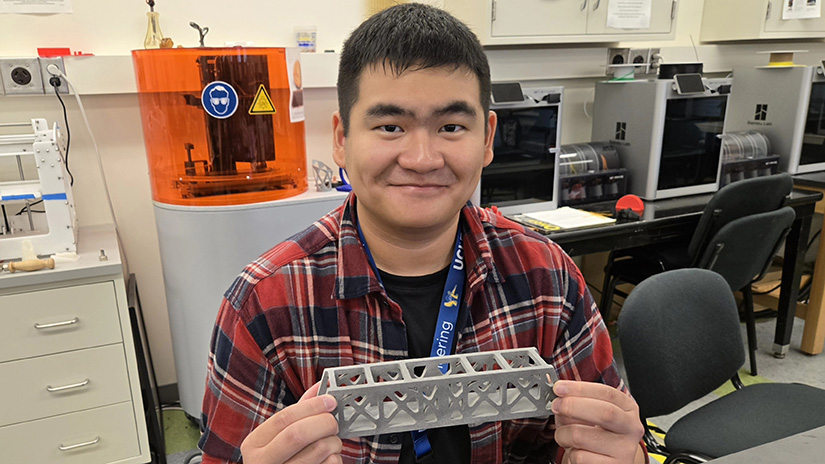
From Shoeboxes to Skyscrapers
Jakarta native Bryan Hartanto turned his fixation on infrastructure into an extraordinary journey through SMC—collecting research projects, leadership roles and campus jobs. Headed to UC San Diego for civil engineering, Bryan is determined to keep on building. Read Article