


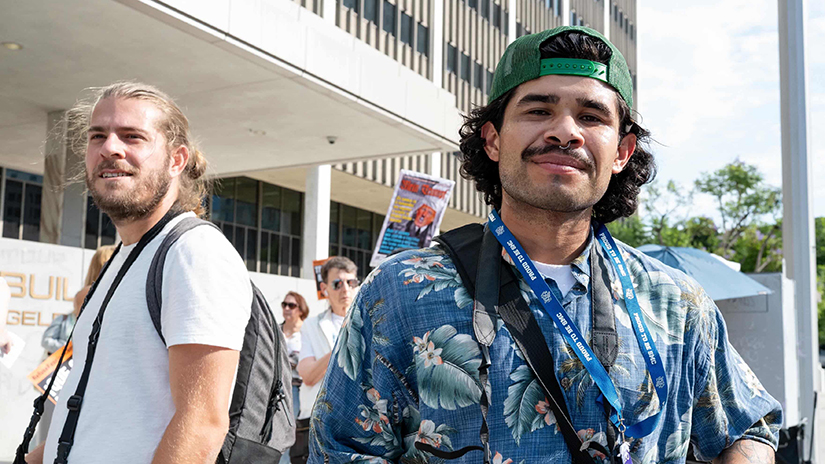
With fellow Corsair journalist Ghawam
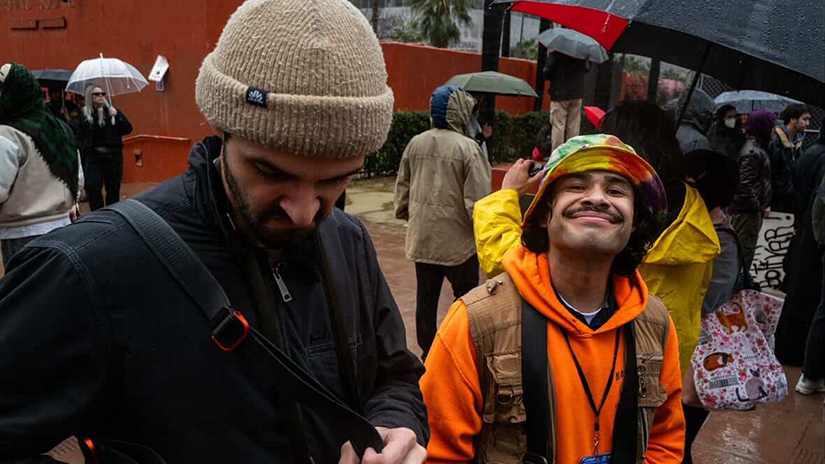
Kayjel enjoying his assignment
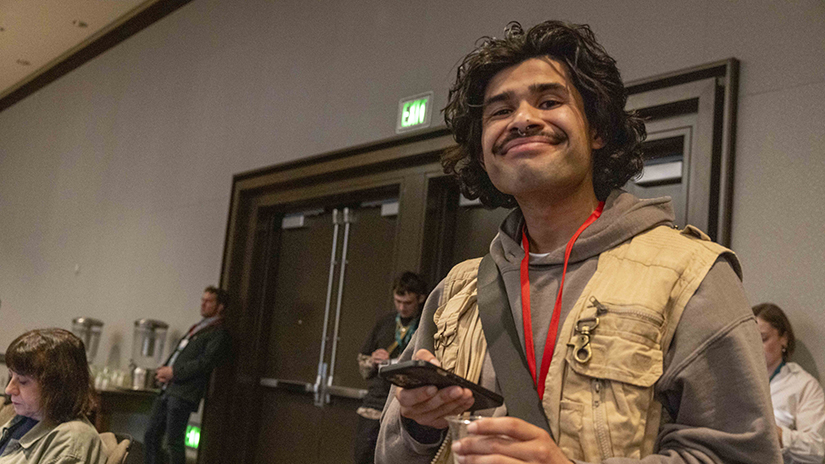
Kayjel at ACP in San Francisco

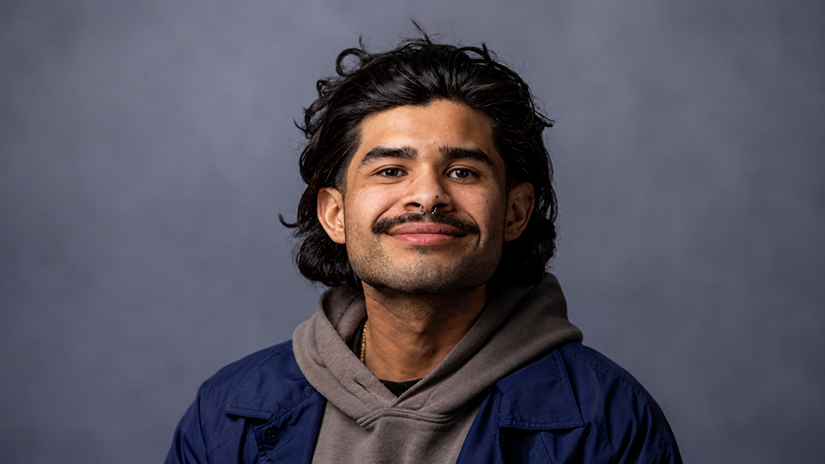
When Kayjel Mairena arrived at Santa Monica College after military service, he knew he wanted to become a journalist, even if he wasn’t sure what kind.
SMC helped focus that goal. Through The Corsair, the college’s student-run media outlet, Kayjel covered community organizations, protests, and grassroots efforts serving vulnerable populations. Along the way, he discovered that journalism could be more than a profession. It could be a form of public service rooted in empathy, accountability and helping people tell their stories.
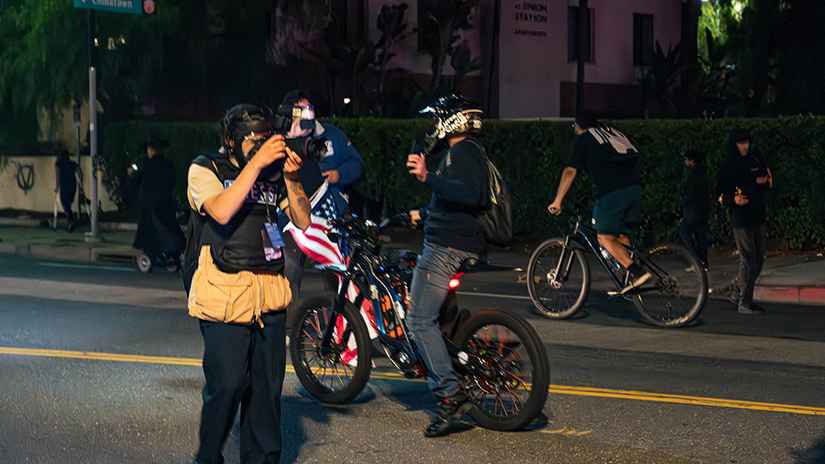
At SMC, Kayjel earned recognition for reporting that spans everything from local mutual aid efforts to protests against federal immigration enforcement raids in Los Angeles and Minneapolis. As Corsair news editor, Kayjel—along with former Corsair photo editor Jake Crandell—won first prize from the Journalism Association of Community Colleges for their coverage of Labor Day anti-ICE protests.
Yet regardless of the subject, Kayjel’s approach remains the same.
“I think every single story that I write comes from a place of care,” he says.
Service Beyond the Uniform
After graduating from high school in Wilmington, Calif., Kayjel enlisted in the U.S. Navy at age 17. Stationed aboard the USS George H. W. Bush, he spent five years as a maintenance technician, performing welding and plumbing work while also serving on the ship’s firefighting and flood-response crews.
The work taught him the value of teamwork and service. “One of the quotations that’s most said when you transfer out of the Navy is that you’ll miss the clowns, but you won’t miss the circus,” Kayjel says with a laugh. “It was the people you worked with who got you through the hard times and stress.”
Volunteering to work in the Navy’s Public Affairs Office, he hoped to gain journalistic experience. Instead, he found himself writing public relations material for recruitment efforts. “‘That sounds like propaganda” instead of reporting, he recalls thinking.
Learning the Craft
Kayjel is the son of a Nicaraguan refugee who came to the United States in the 1980s. After returning to reestablish residency in California, Kayjel enrolled at SMC, having heard about its reputation as a leader in transfers to major universities.
At SMC, he took Journalism 1 to hone his skills. As a Corsair staffer, he quickly adjusted to the fact that good journalism requires persistence and patience.
He also learned the need to accept criticism, as his early articles came back filled with corrections. “It kind of sucked at first,” Kayjel confesses.
Story by story, though, his reporting and writing improved. One of his earliest opinion pieces examined how the erosion of diversity, equity and inclusion initiatives are erasing Black history. The article earned recognition, but what truly mattered was the generosity of the professors who helped him research it.
“The amount of care that the faculty and staff has is what stands out the most to me,” Kayjel says. “They made it feel like anything was possible.”
He credits English professors Regis Peeples and William Doucet, along with journalism faculty and Tutoring Center staff, with creating an environment where students feel supported and encouraged. Fittingly, as his confidence grew, Kayjel focused increasingly on writing about people helping others.
Journalism With Empathy
Kayjel’s reporting took him beyond campus to protests, community events and mutual aid initiatives throughout Southern California. Then his experiences in L.A. and Minneapolis—which sometimes risked his safety—strengthened his interest in crisis reporting and photojournalism.
Yet some of the stories that affected him most were far less dramatic. One involved fellow veteran and SMC student Justin Ellis-Brooks, founder of Umoja Now, a grassroots initiative aiding underserved communities.
As Justin organized events, Kayjel continued covering the organization’s work. Over time, Umoja Now attracted greater participation and support, eventually launching a back-to-school initiative serving children and families in Inglewood. For Kayjel, watching that growth reinforced journalism’s power to support positive change.
Building Community
Kayjel believes one of SMC’s greatest strengths extends beyond the classroom and into its sense of community—especially important on a commuter campus where students can easily feel isolated. He appreciates the friendships, professional connections and meaningful conversations that shaped his time at SMC. Whether through student organizations, faculty mentorship or networking with former Corsair reporters now working in the field, he found opportunities to learn from others and build lasting relationships.
“I think if students could reach out and start establishing community on their own and meeting people, it will open a good amount of doors,” he says. “And if it doesn’t open any doors, it’s still nice to have a conversation.”
That philosophy reflects his broader view of journalism itself: Meaningful work begins with listening.
Next Assignment
This fall, Kayjel will transfer to the USC Annenberg School for Communication and Journalism to continue advancing his craft. Ultimately, he wants to cover conflicts, humanitarian emergencies and other major events around the world.
The settings may eventually change—from Los Angeles neighborhoods to international crisis zones—but Kayjel expects his mission to stay consistent.
Whether documenting a protest, highlighting a community advocate or reporting from the front lines of a humanitarian emergency, Kayjel want to do everything he can to stay focused on the faces of those affected while reporting the facts. He wants to keep making sure that people are seen as being more than statistics.
“I’m just trying to help as many people as I can, where I can,” he says.
* * *
SMC in Focus Volume XII, Issue 3
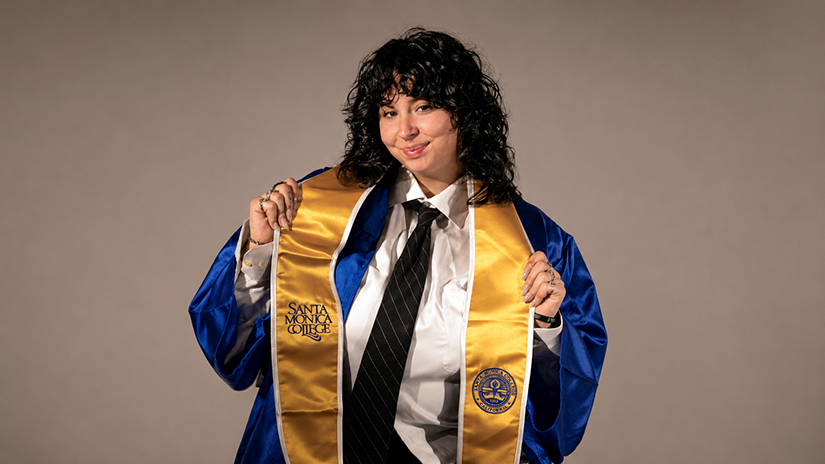
Believing in Herself
At Santa Monica College, Madeline Davis transformed years of self-doubt into student success, a passion for teaching—and a future she once thought impossible. Read Article
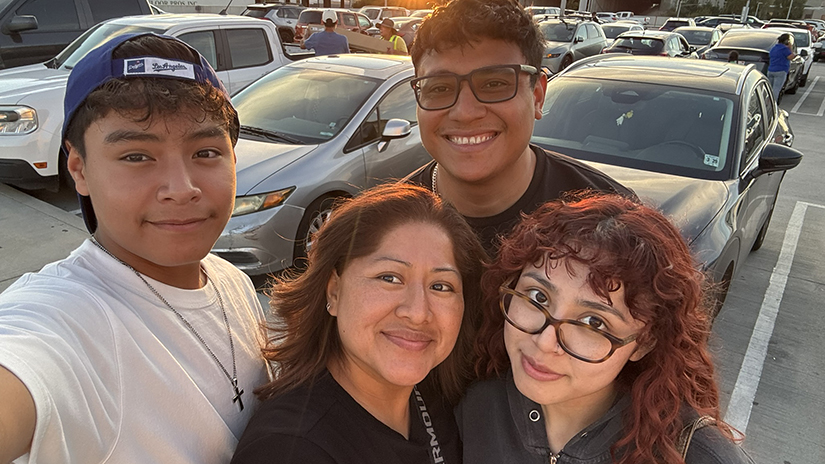
Chasing Her Interior Dreams
This first-gen Corsair racked up interior design awards, earned straight A’s and pulled all-nighters in the studio — all while commuting, working part-time jobs, and helping out with the family cleaning business. Read Article
Bearing Witness
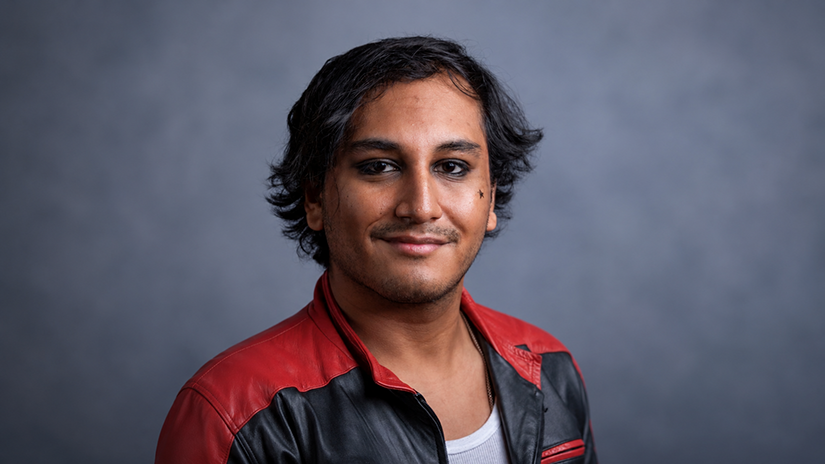
From Navy ships to city streets, Kayjel Mairena built a journalism career at SMC focused on documenting and serving communities in need. Read Article
Writing a New Chapter
Coming to Santa Monica College for a fresh start, Jeffrey Berrios found community in his classes and confidence in writing for The Corsair. Read Article

Bragging Rights
An Art prof has a museum show. An SMC Fashion alum dresses a celebrity. The College gets a $250k grant to design equity-centered professional development. Read Article
From Shoeboxes to Skyscrapers
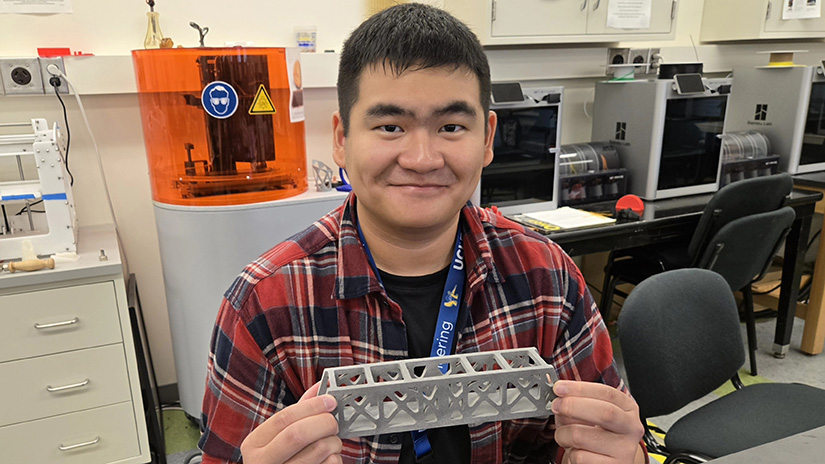
Jakarta native Bryan Hartanto turned his fixation on infrastructure into an extraordinary journey through SMC—collecting research projects, leadership roles and campus jobs. Headed to UC San Diego for civil engineering, Bryan is determined to keep on building. Read Article