
Industry feedback suggests that there is a significant need for the development of
entry- and middle-skill workers for the burgeoning Blue Economy in Southern California,
including the aquaculture industry. The target population for this program is students generally interested
in the topics of aquaculture, food security and global food supply chains. The program
emphasizes workforce preparation at the interface of global climate change and sustainability.
With consideration for environmental change, additionally, this course addresses conservation
and restoration practices for endangered species.
Job Training in Aquafarms and Aquariums to Raise Sustainable Seafood and Restore Endangered
Species
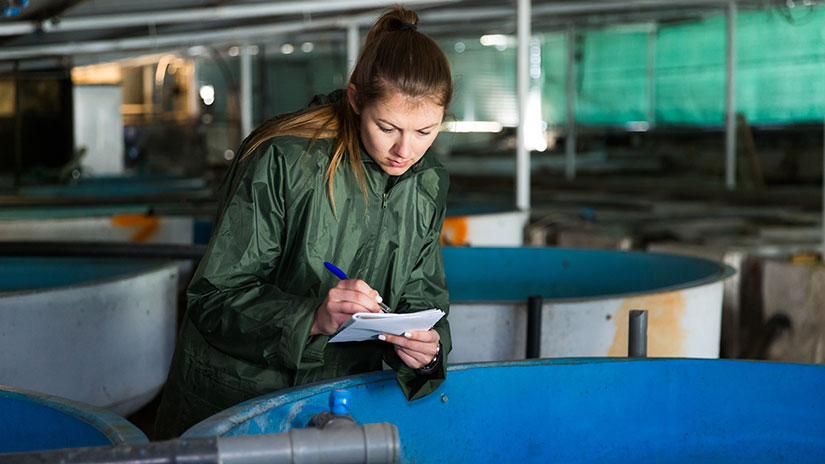
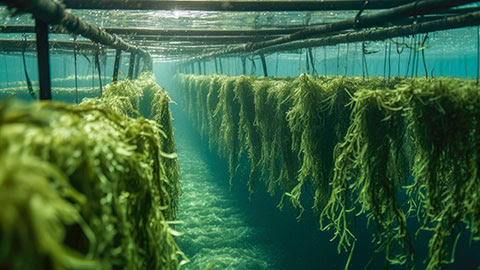
This growing industry needs a skilled workforce to produce healthy, sustainable seafood
and products.
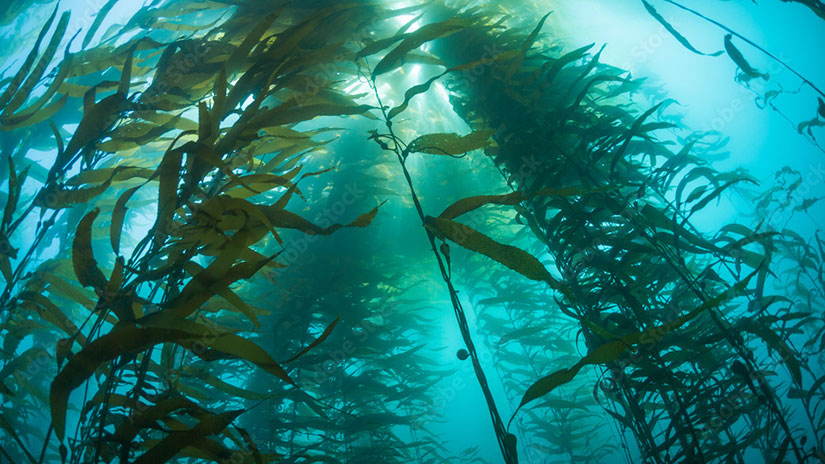
The recovery of threatened and endangered aquatic species needs skilled technicians.
Earn a competitive edge through hands-on field work, lab experience and internships
to secure a job.
Aquaculture at SMC
Careers in Mariculture
Internship tasks at Heal the Bay
Courses Start in the Spring Semester - February 17, 2026
AQUA 1: Introduction to Aquaculture (3 units)
History, ecology, and sustainability Section: 1160 Lecture: Tues/Thurs at 8 to 9:20 a.m. on main campus
This is an introductory course to the field of aquaculture. Topics include the history
and current trends in the field, a review of Biological and ecological concepts relevant
to aquaculture with attention to the impact of climate change and other environmental
concerns on the sustainability of the industry. With consideration for environmental
change, additionally, this course addresses conservation and restoration practices
for endangered species.
AQUA 2: Applications in Aquaculture (4 units)
System design, monitoring, and maintenance Section: 1161 Lecture: Tues/Thurs at 1 to 2:20 p.m. on main campus Lab: Tuesdays at 3 to 6:05 p.m. at Heal the Bay Aquarium
This lecture and lab course explores the variety of aquaculture systems, including
the design and build phase, monitoring and maintenance, and rearing and husbandry
of aquaculture species.
AQUA 4: Husbandry and Life Support in Aquaculture (2 units)
Section: 1162 Thursday at 3:45 to 5:05 p.m. at Heal the Bay Aquarium Arrange 1.5 Hours
This course explores production, nutrition, growing and preservation of aquaculture
organisms for the food industry as well as for non-food uses of aquaculture products.
Additionally, with consideration for environmental change, this course addresses conservation
and restoration practices for endangered species.
AQUA 5: Advanced Topics in Aquaculture (2 units)
Section: 1163 Wednesday at 12:30 to 1:50 p.m. hybrid and on main campus Arrange .5 Hours
This course examines the physical and logistical aspects of starting an aquaculture
project, including permitting, site selection, licensing, security, and landing best
practices. Additionally, the course will cover concepts of biological security, as
well as food production, handling and delivery.
These Courses are For People Who have an interest in...
A sustainable seafood supply
Endangered species restoration
Learning how to use science to solve problems
Aquarium systems design, construction & management
What Will You Learn?
An overview of aquaculture
Foundational biology concepts & their application to the aquaculture industry
Skills to operate cutting edge laboratory equipment
Teamwork & leadership skills
About These Courses
Entry Level
No prerequisites!
Career Focused
Gain skills to get a well paying job!
Earn skills badges that get you noticed by employers!
This program was created in response to the lack of diversity in STEM Fields and with
the awareness that the aquaculture/life science industry is struggling to find highly
skilled technicians to support it's rapid growth.
Vision
We envision our graduates using their training, skills, and passion to solve the world's
problems through science and to become agents of change who support diversity, equity,
inclusion, and accessibility in the life science workforce.
Mission
Through an equity centered approach, we strive to cultivate our student's interests
in science and to build their confidence by acknowledging and celebrating their strengths
while training them to become skilled aquatic life support technicians..
Transfer Opportunities
Continue your training in aquaculture by earning a bachelor’s degree at UC or CSU.
The Aquaculture Program prepares students to work in the aquaculture industry and
familiarizes students with sustainable practices of farming aquatic organisms. The
program is currently offering a comprehensive training that includes a wide range
of courses that is available to students, with more courses being offered soon:
Aqua 1 - Introduction to Aquaculture: History, Ecology and Sustainability (no prerequisite)
Aqua 2 - Applications in Aquaculture - System Design, Monitoring and Maintenance (no
prerequisite)
Aqua 3 - Microbiology and Genetics for Aquaculture (prerequisite: Aqua 1&2)
Aqua 4 - Husbandry and Life Support in Aquaculture and Aquarium Science – coming soon
Aqua 5 – Advanced Topics in Aquaculture – coming soon
Aqua 10B – Scuba – coming soon
Certificates of Achievement – coming soon
The program provides a comprehensive understanding of the principles, practices, and
technologies involved in fish and aquatic organism farming. Key aspects a program
include:
History and current trends in aquaculture
Environmental sustainability
Conservation and restoration practices for endangered species
Design and building aquaculture systems
Aquatic species health management
Husbandry and life support of aquaculture species
Clinical microbiology and genetics relevant to aquaculture and aquarium sciences
Hands-on experience
The program prepares students for the workplace and emphasizes the necessary technical
and personal skills required to secure a job. Entry level positions after completing
the program may include:
Aquaculture Technician/Aquarium Technician
Fish farmer
Hatchery Technician/Manager
Aquarist
Aquarium Educator
Internship opportunities are available once students have successfully completed the
required courses. Hours are flexible and you will work out your internship schedule
with your site manager.
Most courses in the program are transferable to UC and/or CSU campuses. It is your
responsibility to check with the counseling staff at your specific school of choice to confirm course transferability.
Completing formal training in the Aquaculture Program at SMC and gaining internship
experience is key to getting a job in the industry. Students with a marine biology
undergraduate degree may benefit from topics in aquaculture science and technical
training to enhance their employment prospects.
You can have your courses reviewed and approved to satisfy one or more requirements
towards an Aquaculture certificate pathway. Please contact aquaculture@smc.edu to meet with program staff to discuss your specific situation.
Review the How to Join the Aquaculture Program section
How to Join the Aquaculture Program
You can apply to the Aquaculture Program at any time during the year. Make sure to
schedule an appointment with an academic counselor to draft an educational plan so
that you complete the correct general requirements. Both introductory courses, Aqua
1 and Aqua 2, are offered in the Fall and Spring semesters.