

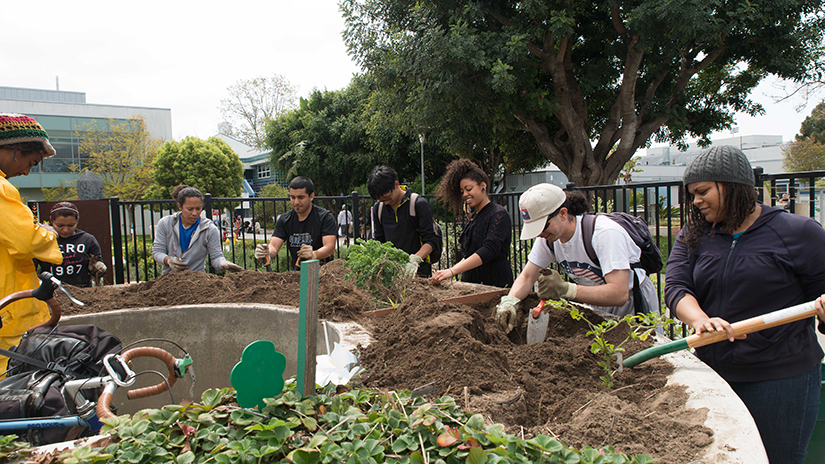
Students working in the garden

SMM graduate Eric Newton in a former life as a Cirque du Soleil performer

Eric Newton, before
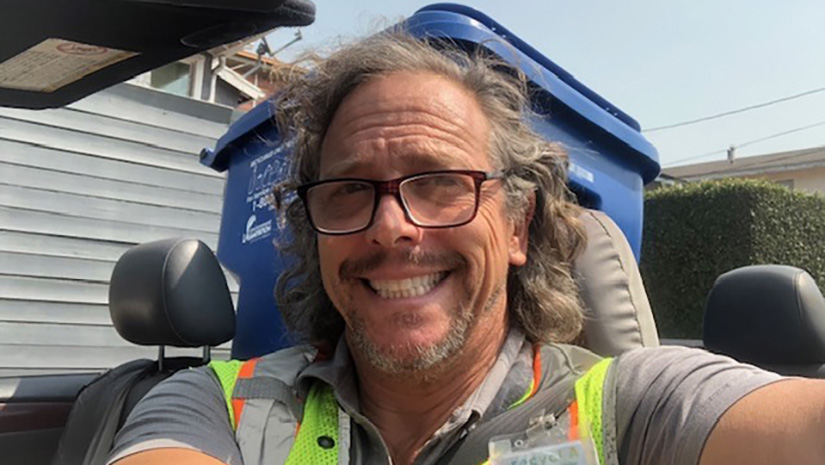
Eric Newton, today, bringing fun & whimsy to sustainability education
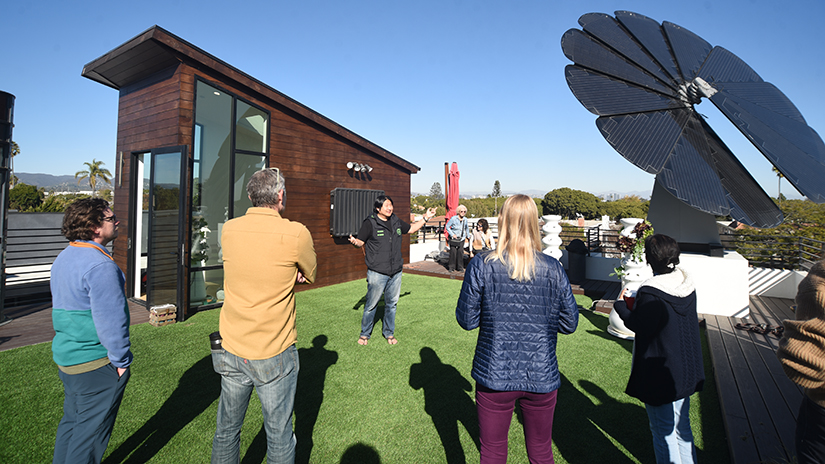
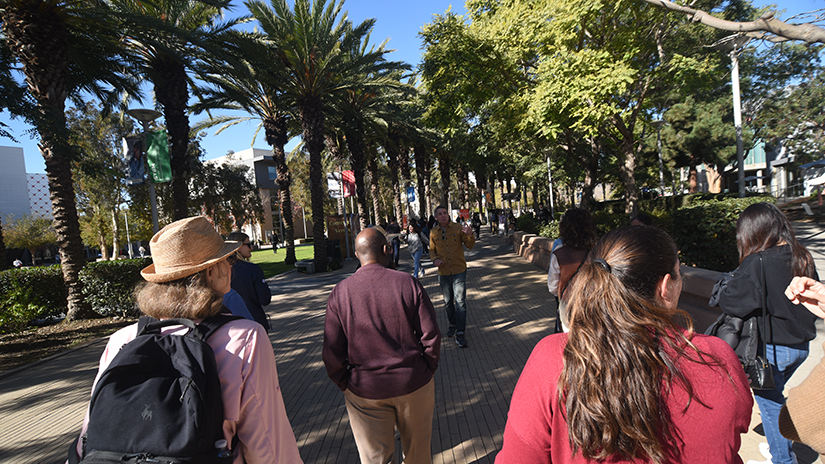
SMM students on a field trip to the Net Zero House
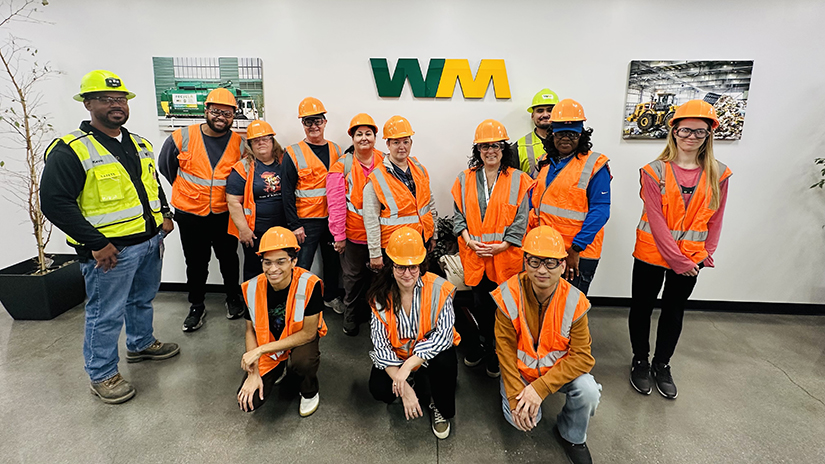
SMM students on a visit to Waste Management
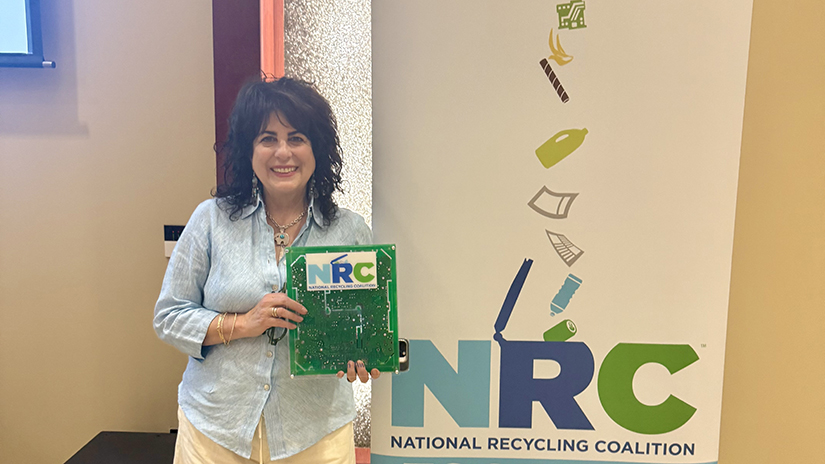
Victoria receiving SMC's National Recycling Award
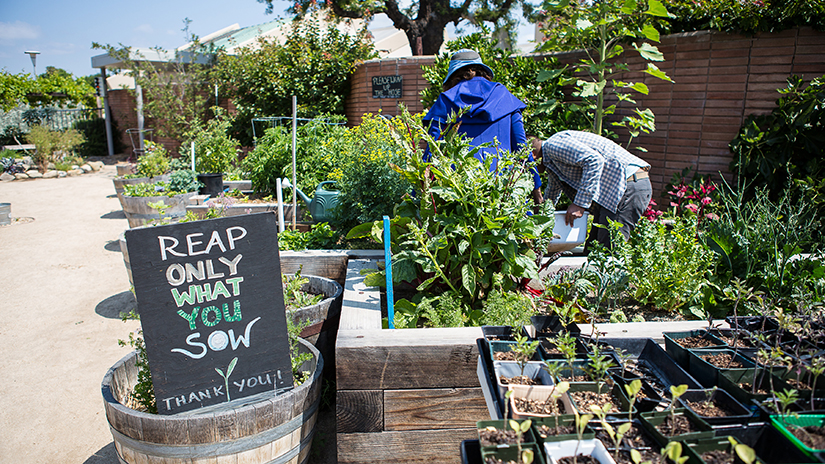
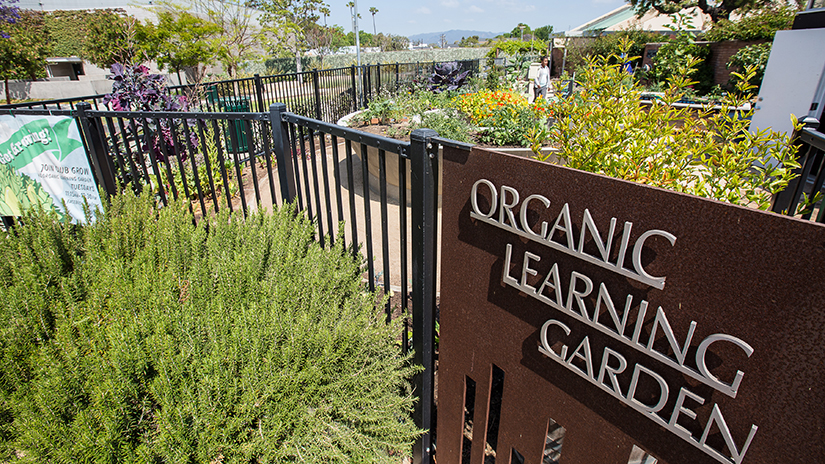
Students working in the Organic Learning Garden
Helping meet an urgent demand
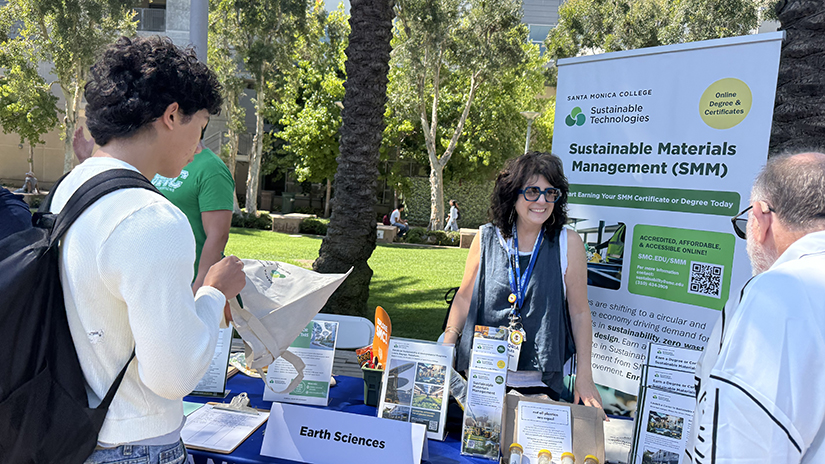
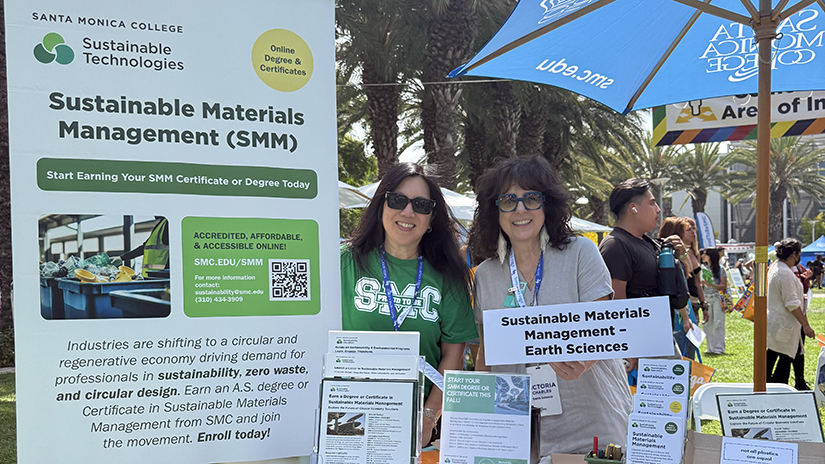
Victoria sharing information about the SMM program
Sustainable Technologies at SMC

Santa Monica College's Sustainable Materials Management (SMM) program was recently named Outstanding Higher Education Program for 2025 by the National Recycling Coalition. SMC joins a distinguished group of winners — the previous year’s honoree was Stanford University.
The national award recognizes SMC’s pioneering approach to training students for the circular economy: degrees and certificates devoted to zero waste and sustainable materials management designed to build a workforce that can help cities, businesses and communities meet ambitious environmental goals.
Beyond Recycling
SMC Professor and SMM faculty leader Victoria Charles used to surprise her students by telling them that she was there to “teach them not to recycle.” She saw her mission as changing mindsets instead of just teaching techniques. “Because we’re really talking about how you think in your community, home or workplace,” she notes. When Victoria joined the College in 2012, the program was called Recycling and Resource Management. This year, it officially relaunched as Sustainable Materials Management — a change that reflects how the field has evolved.
“We wanted to align with the industry and the Environmental Protection Agency,” Victoria explains. “It’s about managing materials not just discarding them or recycling them.”
Joining her in teaching the SMM program are two experts who work every day in the real world of reducing waste. Angela Vincent teaches from Stanford, where she serves as zero waste communications manager. Samuel Sasu, PhD, works at CalRecycle, the state’s leading agency for recycling and materials management policy. Their expertise gives students direct access to industry trends and real-time policy developments that shape the field every day.
Their impact shows up in everything from the Buy Nothing movement to SMC’s new Thrifted Treasures club, which plans repair events and swaps to keep everyday items out of landfills and in circulation.
Engaging Through Entertainment
The SMM’s mix of rigor and real-world relevance drew Eric Newton to the program. A former acrobat, clown and performer with Cirque du Soleil, Eric was searching for a new path that aligned with his values and his concerns about waste and climate change.
“I’ve always believed we need to do everything possible to prevent climate change and help the environment,” he says. “And I’ve long been concerned with waste, trash and the landfill system.”
He discovered the certificate program after taking environmental psychology and attending an SMM graduation event. He also volunteered as compost captain in SMC’s learning garden. Within a single semester of completing the SMM certificate, he was hired by a major Los Angeles waste hauler.
“Everything we learned in the SMM courses is directly applicable,” Eric says. “It’s not just signing people up for a green or blue bin. It’s education, training and meeting people where they are.”
As the education lead on his team at Universal Waste Systems, he teaches best practices at schools, businesses and community events across the region — including 10 events during the 2025 Earth Month alone. He focuses on making people laugh and even rewriting classic showtunes into sustainability-themed songs to help make the messages stick.
“I try to make it whimsical and fun,” Eric says. “It helps people hear the information fresh.”
Zero Textbook Cost
The core of the SMM pathway is an Associate in Science degree supported by certificates. Students can earn the AS in Sustainable Materials Management, complete a Certificate of Achievement or add an advanced certificate to deepen their expertise in zero waste policy and practice.
A focused curriculum covers culture and zero waste, community and business applications, and California’s evolving recycling legislation. All courses are zero textbook cost through 2026 thanks to a major Open Educational Resources grant from the SMC Library. The grant also supports guest speakers and field learning that keep the program current.
Victoria and her colleagues add another credential through a partnership with the U.S. Green Building Council that enables students to prepare for the exam to earn TRUE Advisor Certification, a valuable industry credential. SMC further secures funding so dozens of students can take the exam for free.
“We now have scores of students who are TRUE Advisors and employers recognize that immediately,” Victoria says.
Many Options
The SMM is part of SMC’s wider sustainability ecosystem. Students can also explore Environmental Science, Environmental Studies or the Sustainability Education hub, which connects ecological thinking with economic and social issues.
Under the same Sustainable Technologies umbrella, SMC’s Sustainability Systems & Technology noncredit program provides three free online certificates that offer quick entry points into the sustainability workforce. Many noncredit students transition into the for-credit SMM classes, and SMM students often take noncredit courses to expand their skills.
Victoria also teaches in SMC’s Business Department where she helped develop the Business and Sustainability certificate for students eager to integrate environmental thinking into accounting, marketing or management.
“Students want this,” she says — as do businesses. “When I go into a business, I say, ‘I’m here to teach you how to use your resources more efficiently,” Victoria adds. “What business doesn’t want to hear that?”
Expanding Sustainability
SMM faculty view the program as both a career pathway and a catalyst for integrating sustainability across disciplines. Faculty in English, accounting, fashion, cosmetology and early childhood education now incorporate environmental themes into their courses, helping students see how materials, systems and choices ripple across communities.
With a national award on the wall and hands-on zero waste projects returning, Santa Monica College’s Sustainable Materials Management program is ready for its next chapter. The flexible mix of degrees, certificates and noncredit options makes it possible for students at every stage of life to join a growing field. Many of those students return to the classroom to share their insights.
“Professor Charles brings in all kinds of speakers from different aspects of the industry,” Eric says. “And I’m one of them now. I give talks to the class every semester as someone who went right into professional work that the program qualified me for. I feel fortunate to be working in an area I’m passionate about.”
* * *
SMC in Focus Volume XI, Issue 6
Jazz Building Blocks
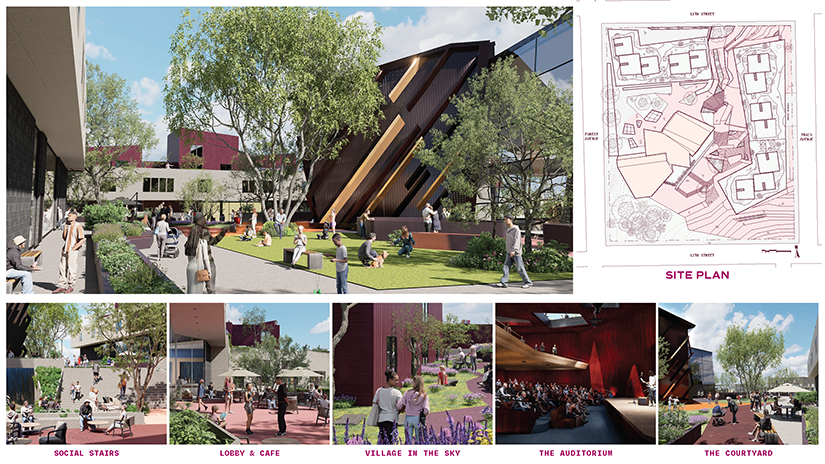
A team of SMC architecture and interior architectural design majors recently earned national recognition with a design inspired by Kansas City’s deep roots in jazz and blues. Read Article
Toward Zero
Santa Monica College’s award-winning Sustainable Materials Management program turns zero waste principles into healthier surroundings — and successful careers. Read Article
From WongCo to WongCuts
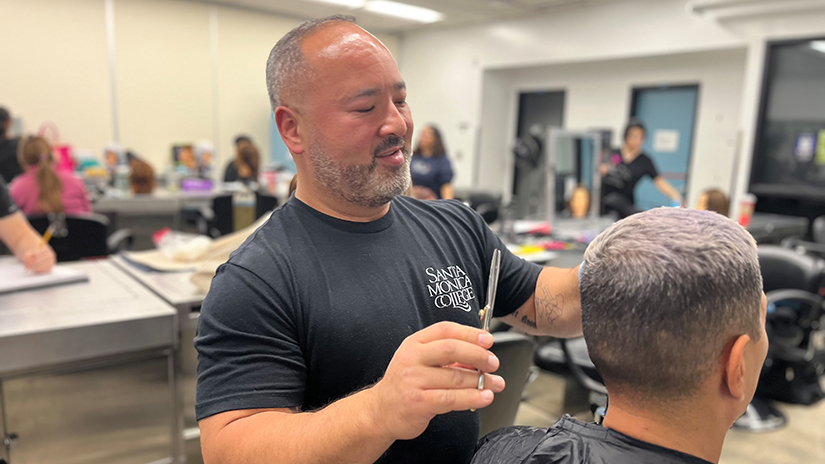
An IT staffer is preparing for life’s next chapter—and fulfilling a long-buried aspiration—as a student in SMC’s nascent Barbering Program. Read Article
Sense of Belonging
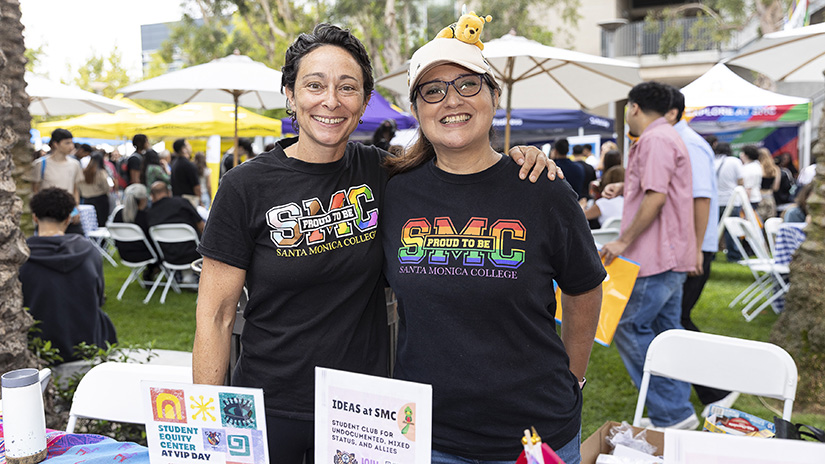
SMC’s Student Equity Center builds community, supports identity and creates space for students to grow, lead and take pride in who they are. Read Article

Bragging Rights
Black Collegians Umoja wins two statewide awards. SMC accounting alum garner scholarships. A Music instructor performs at Harvest Moon Gathering. Read Article
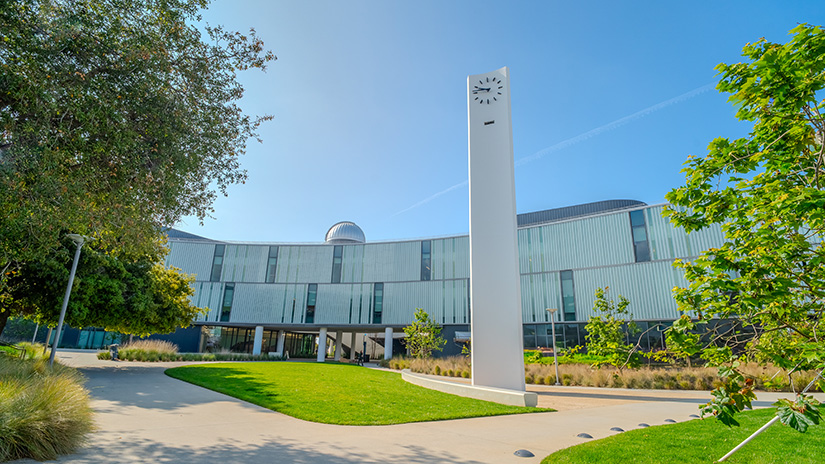
A Hub for Discovery
SMC’s new Math & Science Building brings together four academic departments and a world-class planetarium + observatory, offering new opportunities for discovery and exploration. Read Article