

2025-2026 Global Grants Events and Projects
Professor Sri Susilowati
Global Motion, a student-centered production, were able to have professional costume designer Patty Oliva to design and create costumes for the Salsa, West African, and Jalisco (Mexican Folklórico) dance works.
The new costumes debuted during the Global Motion performances on May 16-17, 2026 at The Ely and Edythe Broad Stage Performing Arts Center at Santa Monica College. The costumes greatly enhanced the visual quality and cultural authenticity of the performances and helped students more accurately represent the traditions they studied and performed.
The production was highly succesful, and audience members responded positively to the variety of dance styles, storytelling, lighting, and costumes.
Audience feedback:
"A Night at the Palladium (Salsa Dance), choreographed by Laura Canellias, drew on Afro-Cuban rhythms that became popular in New York's Palladium Ballroom. especially enjoyed the colorful costumes, stage designs, choreography, and music. The flowing dresses and tuxedos, enhanced by ruffles, flowers, textured fabrics, and beads, created a striking visual effect under the stage lights. The elaborate lighting, props, and backdrop further enhanced the energy and atmosphere of the performance."
"Manjani (Mendiani) was a beautifully executed performance. Live drummers and musicians created an authentic West African Musical atmosphere, while the colorful costumes enhanced the setting and transported the aufience to Africa."
"One of my favorite performances was Cuadro de Jalisco" choreographed by Raquel Ramirez. It reminded me of my childhood in Mexico, where folklórico dance was common in elementary schools, making the piece feel familiar and nostalgic. I loved the colorful costumes, traditional hairstyles, braids, and accessories, which beautifully complemented the dancers' movements. The handmade costumes and boots also highlighted Jalisco's rich traditions in dance, music, and artisan craftmanship."
Professor Brandon Reilly
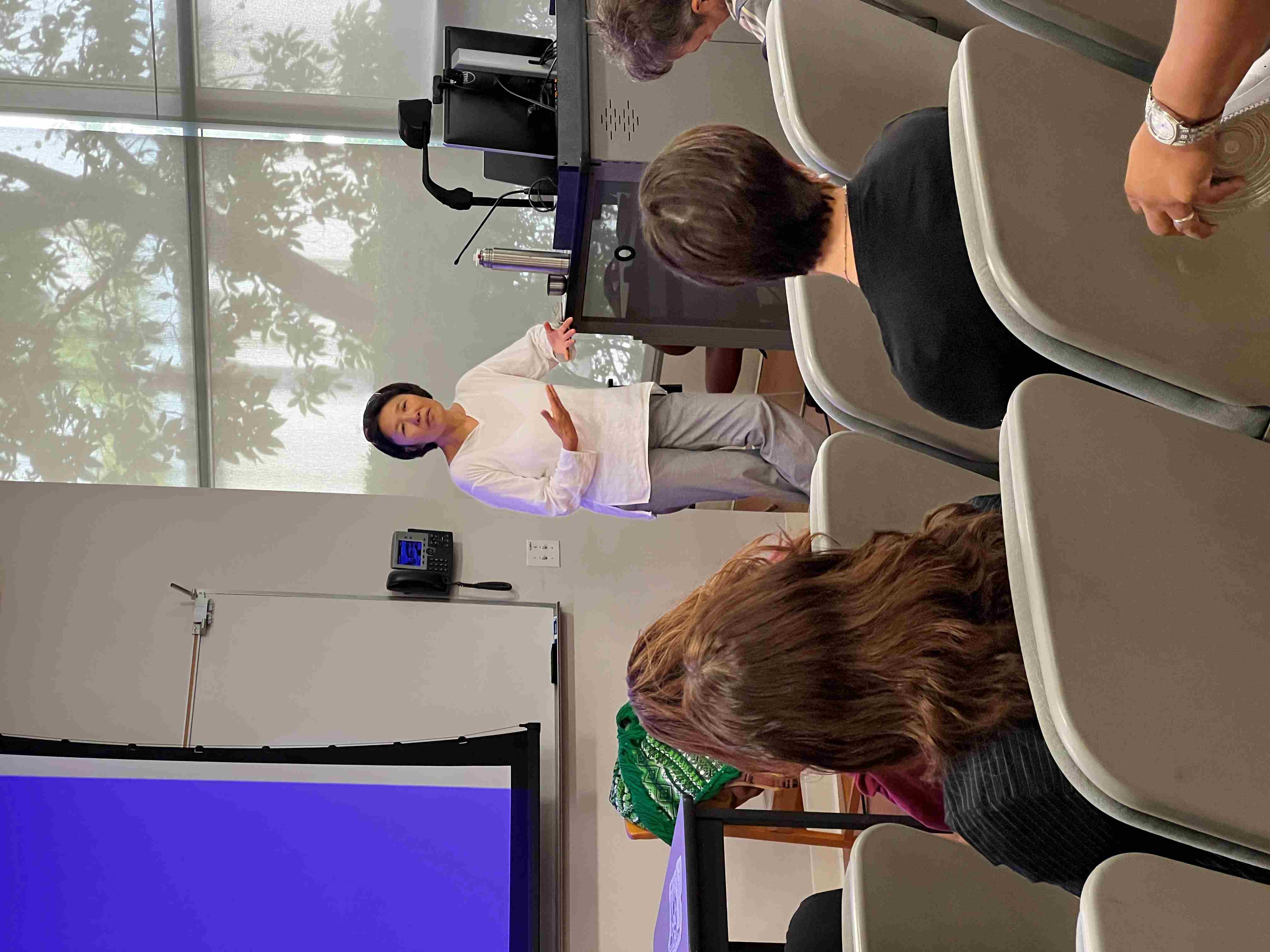
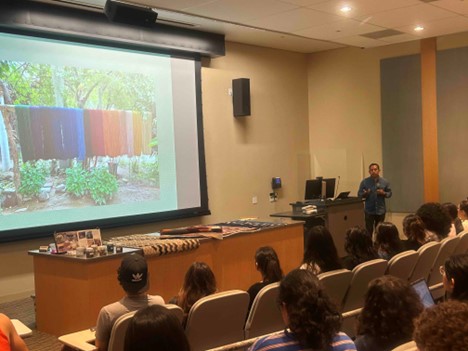
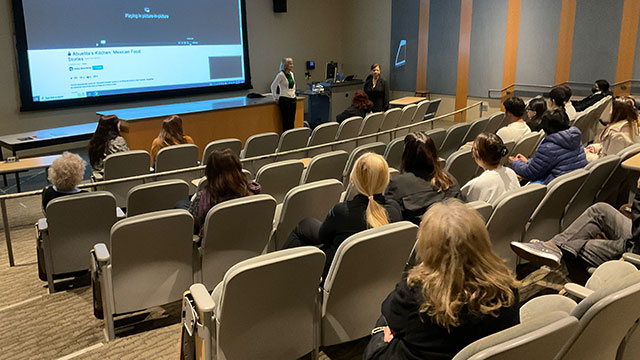
Professor Susie Woo's talk based on her book, "Framed by War: Korean Children and Women at the Crossroads of US Empire," convened for the occasion of Asian Pacific American Heritage Month 2026, offered students and the broader SMC community what was likely their first academic examination of transnational adoption. Professor Woo relatably explained the Cold War context, militarism, issues of race, among other major dynamics. Students were intrigued by the rich visual materials she brought, including marketing materials and photograps from both sides of the Pacific. Following Professor Woo's presentation, there was a lively question and answer exchange. The APIDA Steering Committee extends its sincere gratitude to the Global Citizenship Committee for their continued and invaluable support for making the event possible.
Professor Briana Simmons
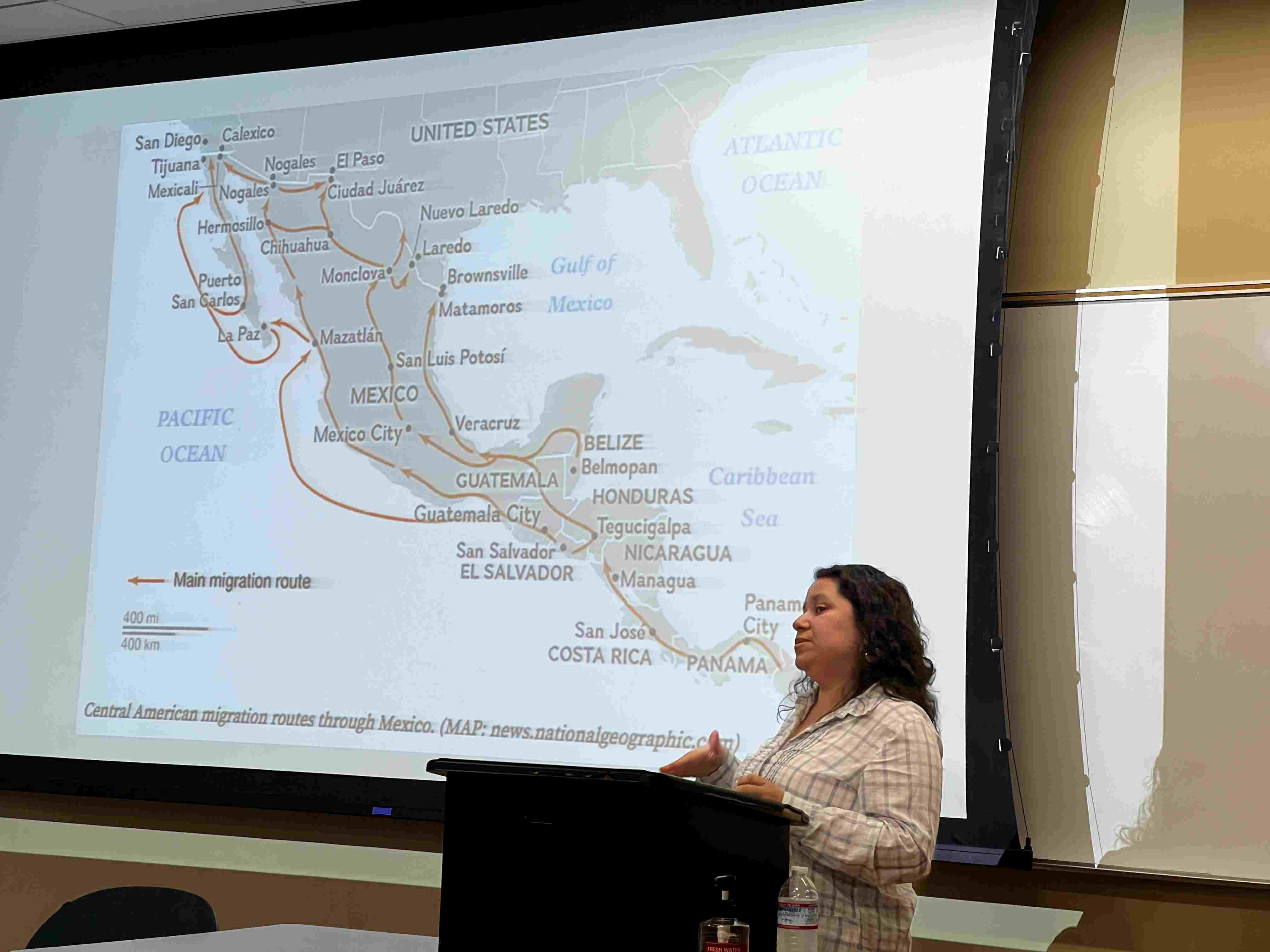
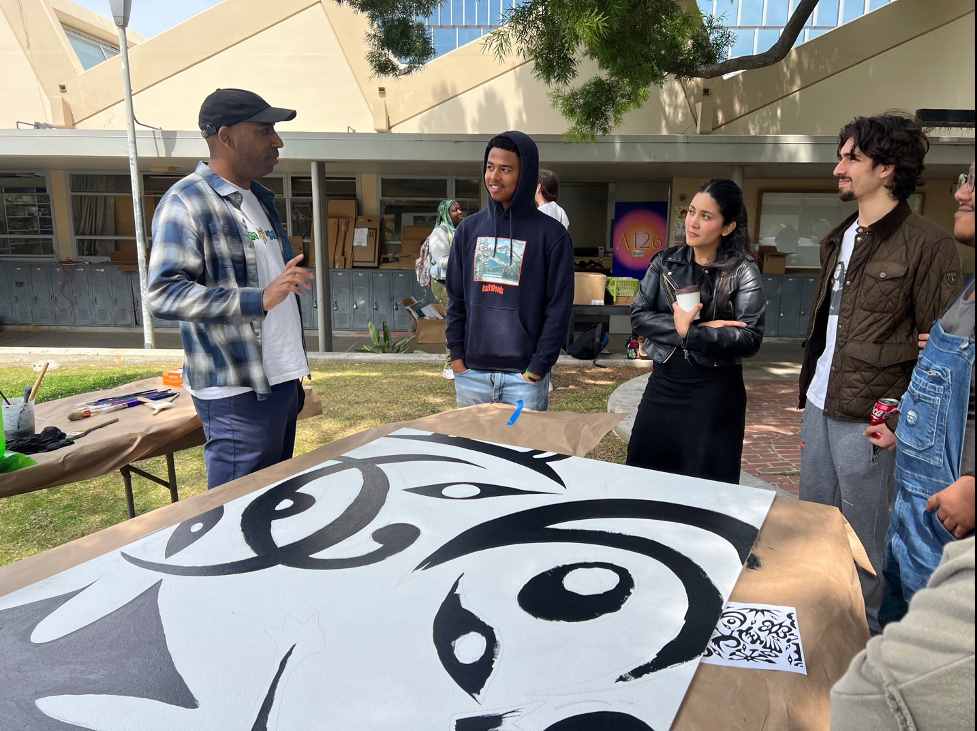
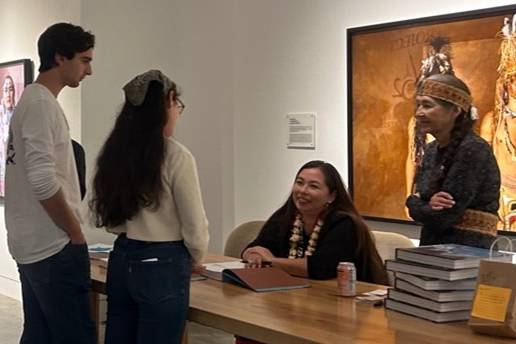
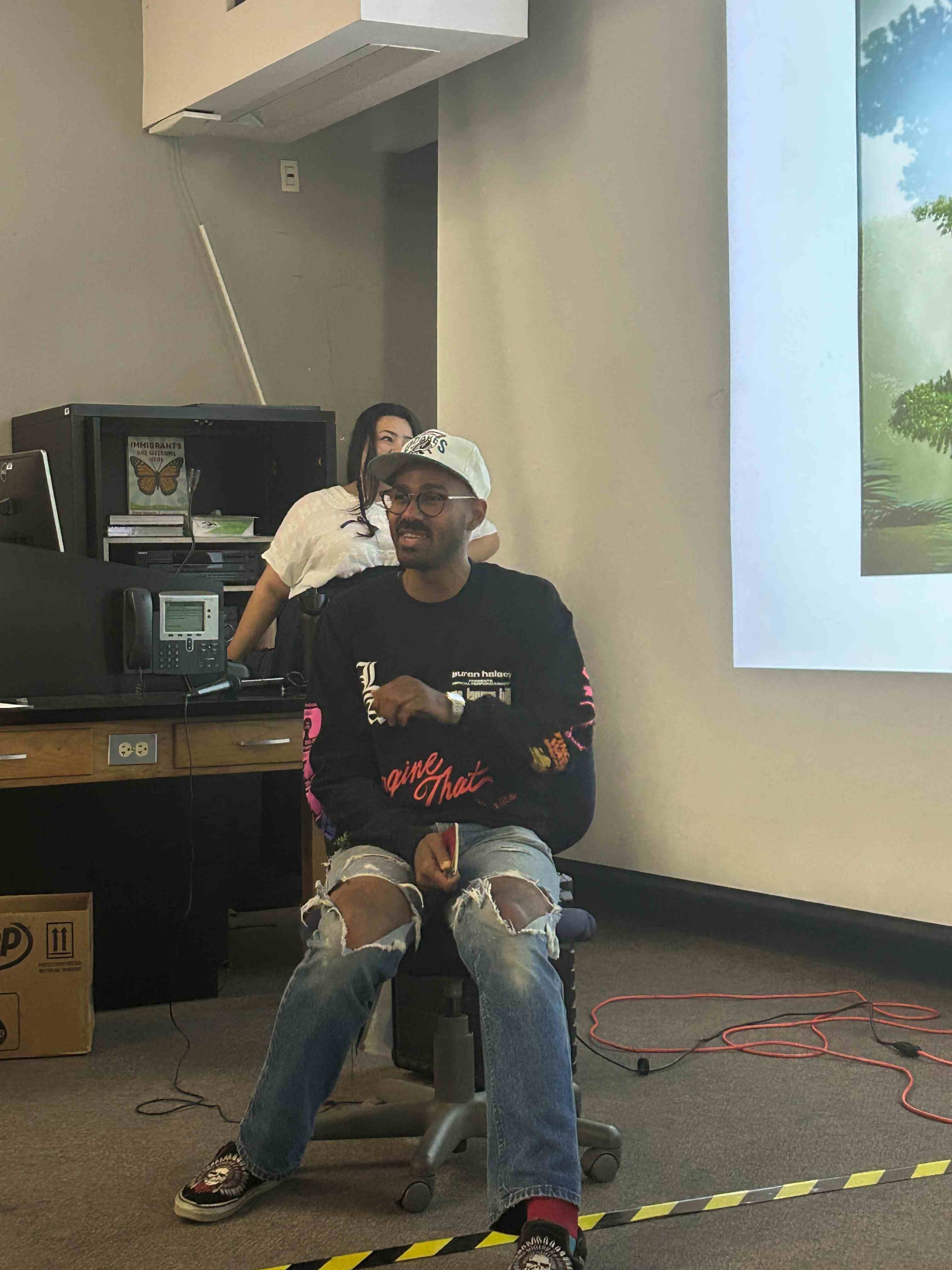
Thanks to the Global Citizenship Grant, on April 24, 2026 the Art department was able to host a roundtable discussion with two artists featured in the year-long Barrett art gallery exhibition, Concrete Hope: Esperanza Concreta. This was the second round-table conversation event in a year-long activation led by SMC Professor Erika Hirguami and the students in SMC's exhibition design course. The artists in conversation, Jamil G. Baldwin and Jackie Castillo, discussed Latinx identity, gentrification, community, and immigration. Students and community members in attendance participatedin a robust Q & A session, which initially focused on Castillo's series of photographs of house facades in California and Mexico, exploring the idea of placemaking. Then a subsequent audience discussion happened with regards to Baldwin's photographs, which pose the larger question, "Can a photograph bea a force of liberation worldwide?"
Professor Susan Kolko
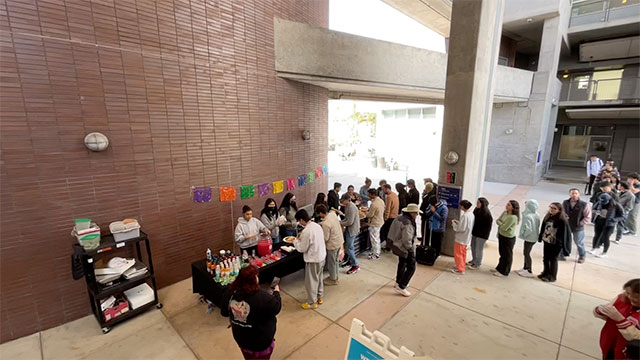
Professor Kolko led a field visit to the Port of Long each where the students learned the role of the port in the global econony, the impact the port has on the apparel industry and logistics of transportation. Please see below for photos and tour logistics.
Professor Briana SImmons
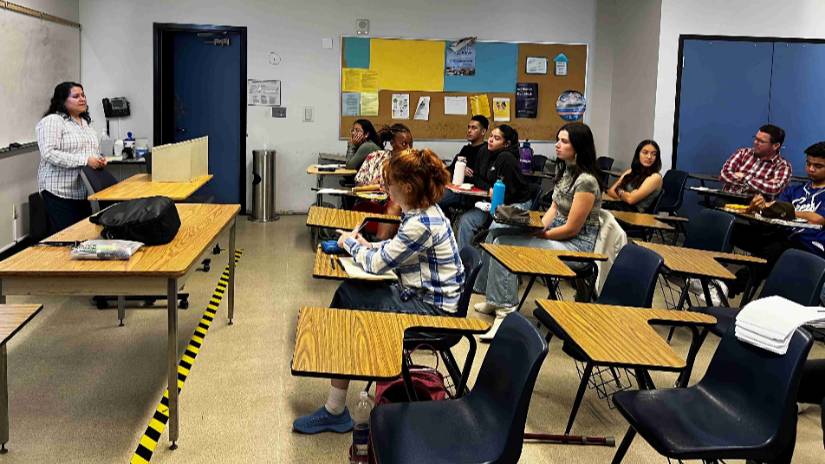
The conversation with Aydinaneth Ortiz and William Camargo took place on November 6, 2025 in A214 with about 100 people in attendance. The conversation was moderated by SMC faculty Erika Hirugami. Hirugami curated the Concrete Hope art exhibition currently at the Barrett art gallery and Ortiz and Camargo both have their work in the show.
Ortiz and Camargo are both lens-based artists and also faculty at other community colleges (Cypress College and Pasadena City College respectively.) Ortiz talked about her series Hija de tu Madre which centers immigrant mothers and their stories, connecting personal histories to global conversations about movement, belonging, and representation. Ortiz also talked about her series In the LBC, which looks at the Latine community in Long Beach against the backdrop of the industrial and maritime activity oof the Port of Long Beach, inviting viewers to consider the implications of global trade, local labor, and the movement of goods and people. Camargo's work focuses on the gentrification of immigrant communities in Southern California and he also spoke at length about his work, As Far As I Can Get Closer to the Border in 10 Seconds After Divola, which considers the space of borderlands/boundaries and the intersections of different languages, people, and migrations.
Professor Elham Gheytanchi
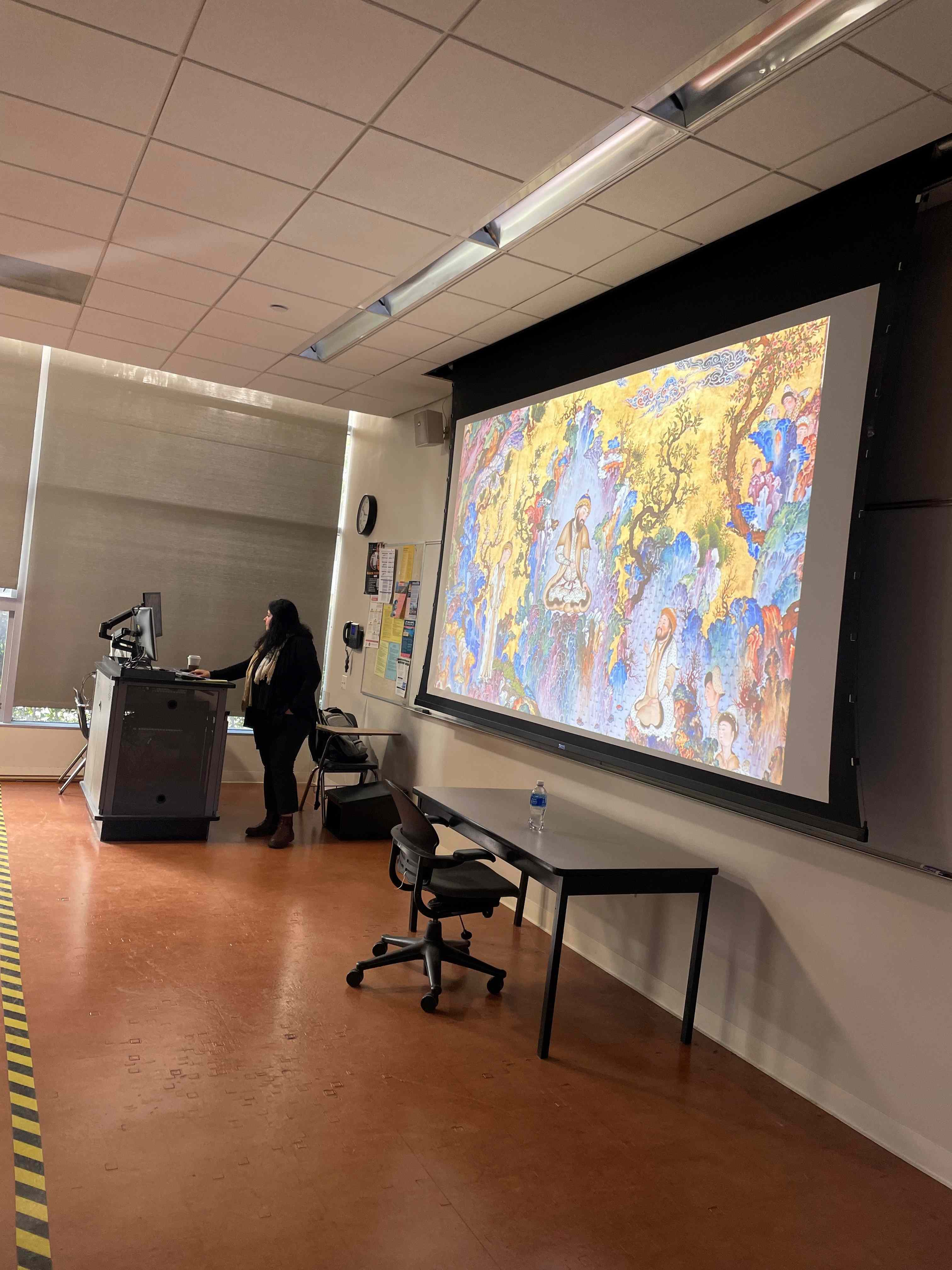
Student attendees unanimously identified transnational repression - an authoritarian government's effort to control and intimidate its citizens even after they have left the country - as the speaker's main argument. In their reports, one student emphazised the use of legal threats, surveillance, and pressuring families back home to instill fear. Another studet noted that the Islamic Republic of Iran utilizes its vast network of proxies, such as Hamas and Hezbollah, to carry out this control and even assassinate dissenters. The students discussed that the primary purpose of these fear-mongering tactics is to ensure those in power remain perpetually dominant. Finally, the students highlighted that the repression tactics employed by authoritarian governments, such as Iran and Turkey, are fundamentally an act of self-preservation, fueled by the historical reality that successful resistance, like the 1979 Iranian revolution, confirms that current widespread movements, including the 2022 women's rights movement, represent an existential threat to their power.