

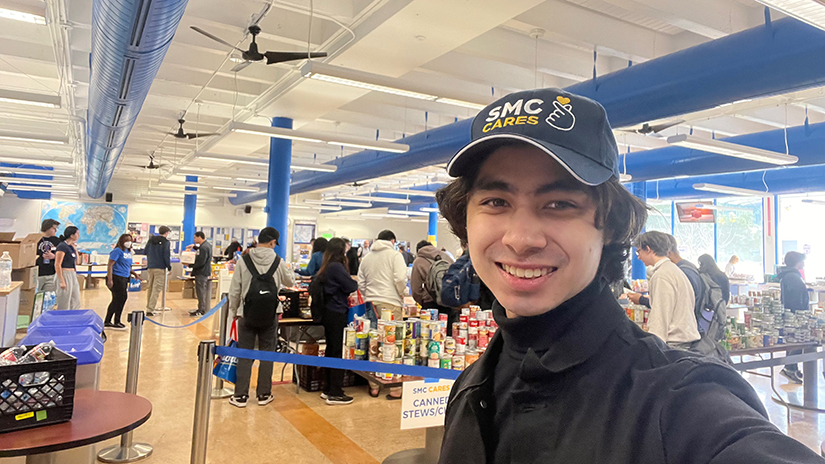
Demonstrating the SMC Cares spirit
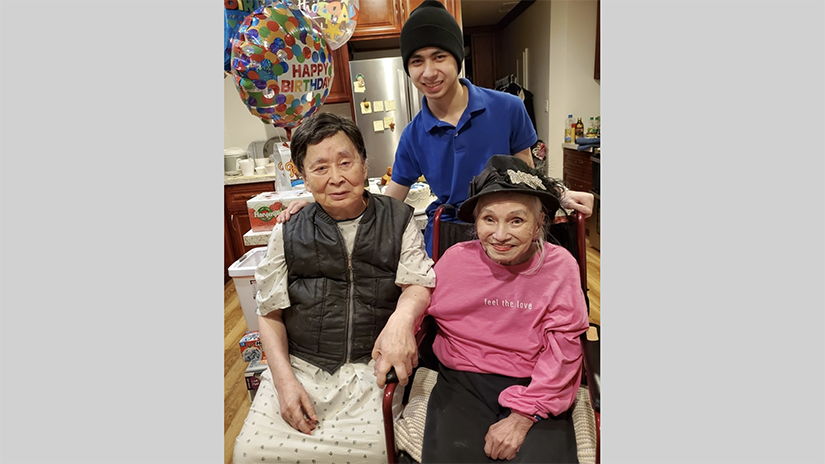
David with his grandparents
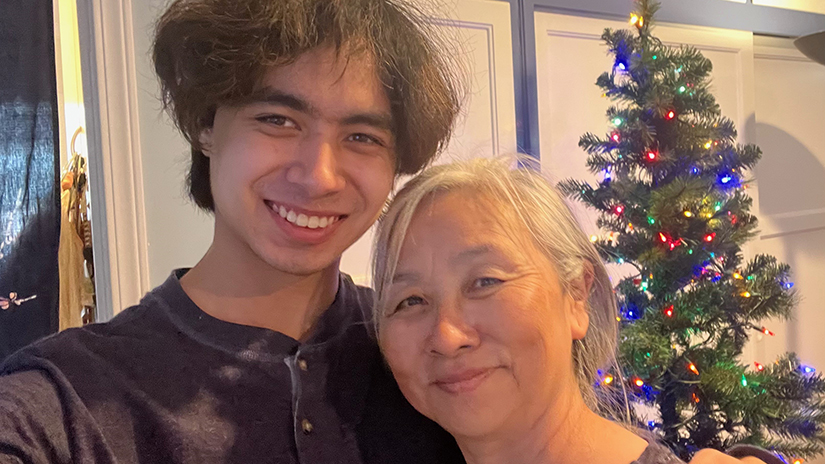
David with his mom
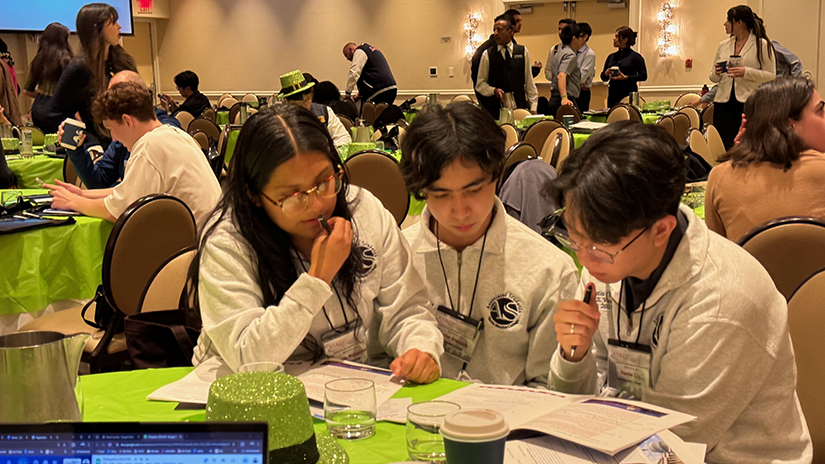
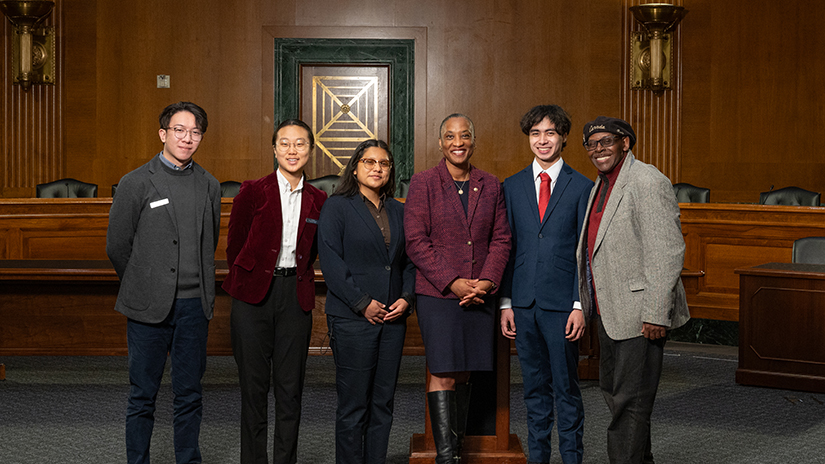
David in Washington
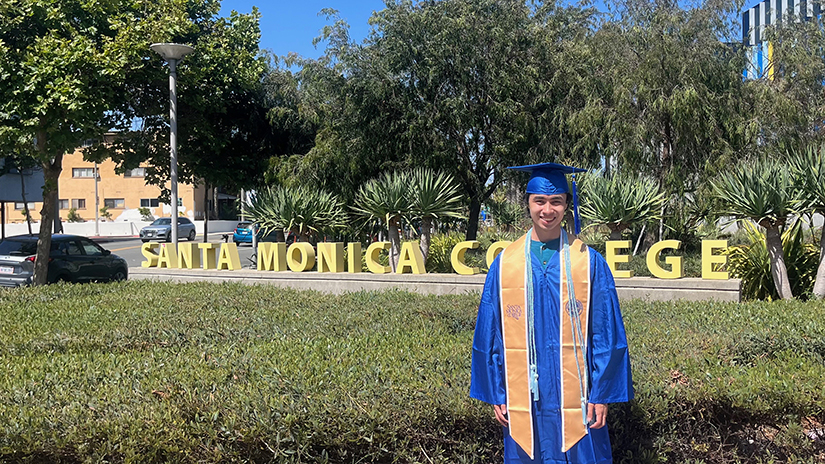
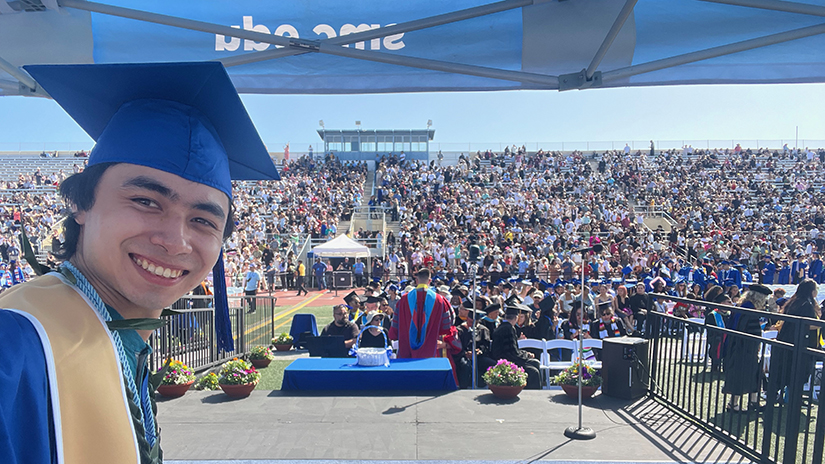
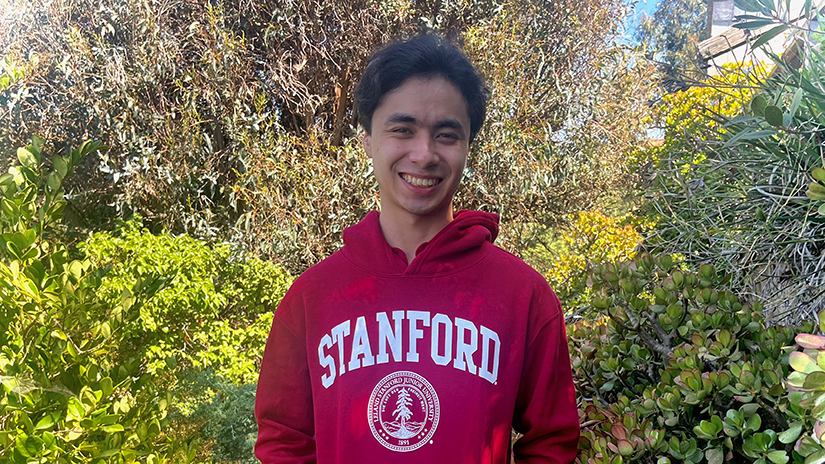

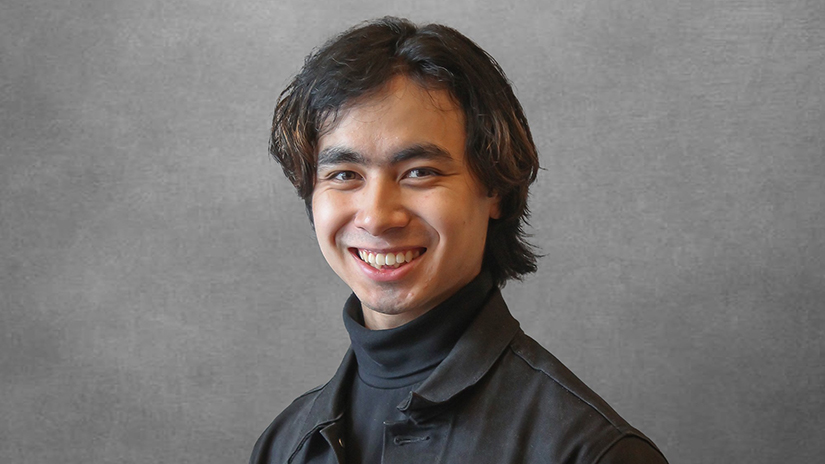
Family comes first for David Duncan, so when a health crisis hit his grandmother, he left high school to help care for her. Later, when he was able to focus on his own educational path, he found a new beginning at Santa Monica College—one that is taking him to Stanford University.
“It was a really difficult time,” David recalls of his grandmother’s illness. “It was tough to see her like that.” Raised by his mom and grandparents, he shares a deep bond with all of them.
David’s grandmother has since passed away, but his 98-year-old grandfather remains an active and vibrant presence in the family. “He spends a lot of time writing and is working on a novel,” David says with pride.
“I always knew I wanted to go back,” he says of school. “It just had to be the right time.” That time came in early 2023, when he enrolled at SMC, drawn by the college’s renowned public policy program, its culture of sustainability and sense of community.
Community Advocacy
At first, David found his commute to SMC grueling—over three hours each way by transit, especially after he accidentally signed up for most of his first-semester classes at the Malibu campus.
But the long bus rides led to a revelation when he learned that SMC students had helped pioneer the very Metro GoPass program he relied on. “I realized that student government could have a big impact not just on campus but also on the surrounding community,” David says.
That realization inspired him to run for—and win—the position of director of budget management at SMC’s Associated Students, which amplifies the voices and interests of the student body through advocacy, and works to enhance campus life.
A year later, David was elected Associated Students president, representing a diverse student body through a year marked by political tension, natural disasters and ongoing challenges related to students’ basic needs.
Throughout his yearlong term, he led with vision and compassion. When the Palisades and Eaton wildfires lay waste to the region, David leveraged his position on the Student Senate for California Community Colleges board of directors to help deliver hundreds of thousands of dollars in direct aid. He also oversaw the expansion of SMC club engagement to an all-time high of 89 student organizations.
Other initiatives included student voter registration and a civic training series. “Associated Students was a bit of a whirlwind,” David admits. “But one of my personal priorities was working on social advocacy and increasing student civic engagement.”
Increasing Access
As Associated Students president, David worked with fellow student leaders on a $45,000 initiative to bring health and wellness vending machines to campus. The machines will offer Plan B, pregnancy tests and over-the-counter medications—conveniently, inexpensively and discreetly.
“A lot of times, students feel uncomfortable talking to counselors or having to go through a bureaucracy for things like birth control,” David says. “Fingers crossed, the machines will be on campus by fall.”
David also twice traveled with his fellow Associated Students directors to Washington, D.C., to advocate for student-focused legislation, including a California Assembly bill that expanded access to EBT—an electronic benefits system that helps low-income students pay for groceries. In addition, he helped organize support for Measure HLA, a Los Angeles ballot initiative that improves public transit access by requiring pedestrian- and bike-friendly upgrades during street repaving.
“We also lobbied local transit departments to change their schedules to increase students’ access to campus—especially for those taking night classes,” David adds.
Passion for Public Policy
David’s public service ethos began close to home. Growing up near the Inglewood Oil Field, he saw how pollution disproportionately affects lower-income communities—an experience that later sparked his interest in environmental justice. He initially gravitated toward a STEM degree, but his time at SMC—and the hard-won experience of caregiving—shifted his focus to systems, equity and policy.
“That’s where my interest in public policy really grew,” David explains. “Taking care of my grandparents, navigating public health and social systems—it all made me think about how we can do better by people, especially the most vulnerable.”
SMC’s Public Policy Institute (PPI) became a defining force in his ambitions, offering hands-on experience in advocacy for vital issues. SMC is unique among community colleges in housing such a nonpartisan interdisciplinary institute, which provides experiential learning opportunities with governmental and nonprofit agencies.
Prior to studying at SMC, most of David’s policy knowledge came from grassroots organizing. The PPI’s courses, he says, “helped structure and clarify my thinking. PPI showed me how institutional change happens.” It also introduced him to professors like Shari Davis and Richard Tahvildaran-Jesswein, who are deeply engaged and experienced, and, David says, “fantastic to learn from.”
Next Stop: Stanford
David’s hard work at SMC earned transfer offers from 23 prestigious universities. At first, he planned to just apply to local universities like UCLA. “But the Office of Student Life kept nudging me to apply to private schools as well,” he says. He’s now preparing to head to Stanford as an economics and math major and plans to continue his advocacy at the intersection of economics, climate policy and transit justice.
“I’m still figuring out what the next chapter looks like,” he says, “but in the long term, I’d like to be a policymaker. Now more than ever, it’s important to be engaged in our democracy and protect the most vulnerable among us.”
David is glad to have engaged with SMC, which he says transformed his life—not just academically but personally. “The community at SMC is really something special,” he says. “It’s supportive, tight-knit and genuinely invested in your success.”
That community also helped him reconnect with himself after years of caretaking and deferred dreams. “SMC reminded me that we don’t have to do it alone,” he says. “We can lift each other up to make things better.”
* * *
SMC in Focus Volume XI, Issue 4
Caregiver to Changemaker
Santa Monica College enabled David Duncan to get back on track, channeling his compassion into public policy and community impact—and earning a transfer to Stanford. Read Article
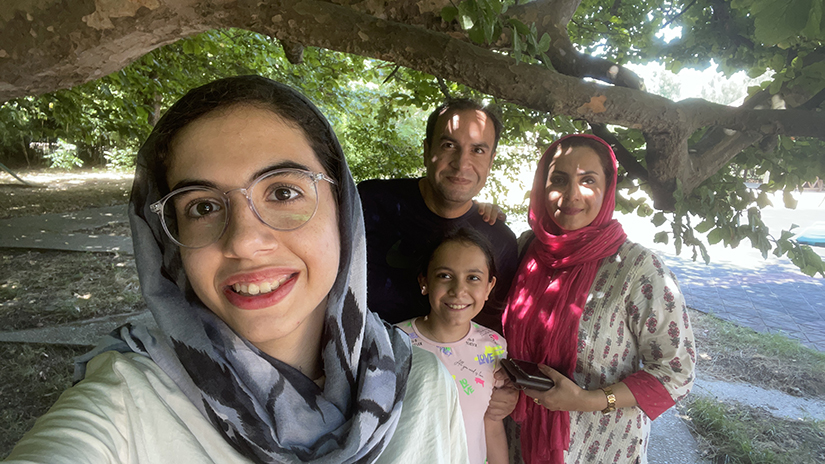
Reading “College Chemistry” in Tehran
As she packs her bags for Palo Alto, Ghazal Azhdari still can’t get over how many SMC people went out on a limb to help a newly arrived immigrant succeed beyond her wildest dreams. Read Article
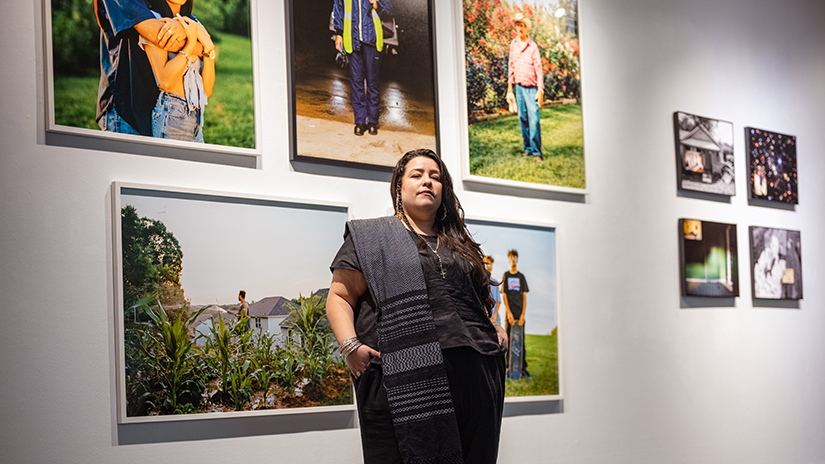
A Lens-Based Celebration of Latinidad
A timely, major exhibition “Concrete Hope”, curated by Erika Hirugami, is coming to SMC’s Barrett Art Gallery, shining a spotlight on 38 Latine/x photographers and artists. Read Article

The Singing Congressman
From Broadway musicals to campaign hustings, Brayden Handwerger’s search for the spotlight changed dramatically over his three years at SMC. Read Article

Bragging Rights
An SMC Fashion alum to produce a look for Jayne Kennedy. A first-ever Barber Battle at SMC. Studying abroad in Paris. A “Systems Changer” Award for the college. Read Article
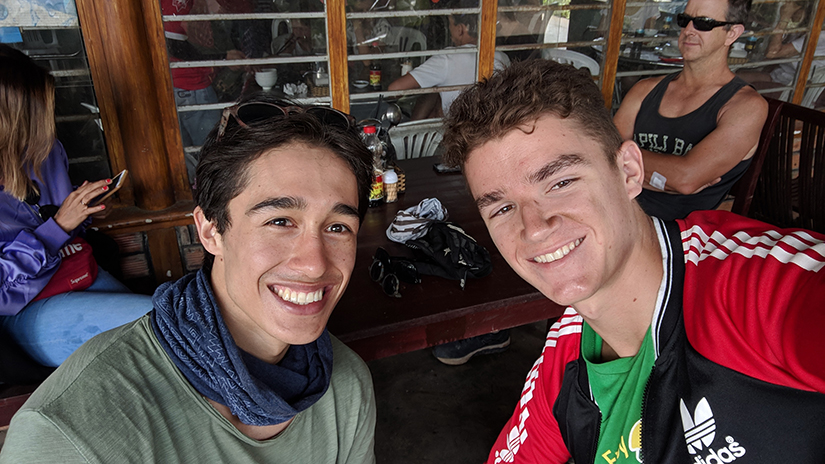
Startup Scholar
Youthful entrepreneur Magnus Melbourne found a launching pad to the Ivy League at Santa Monica College. Read Article